
Black Heavy Duty Trash Bags for Construction and Renovation Waste
Nov 4, 2026
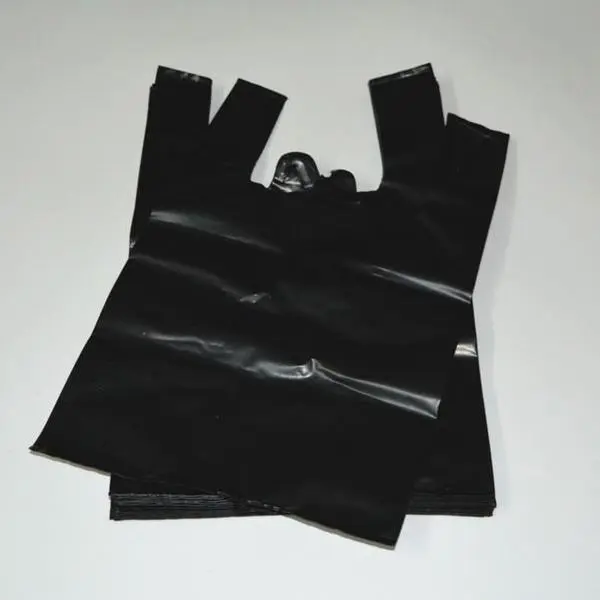
The best black heavy duty trash bags https://www.jldplastic.com/garbage-bag/black-heavy-duty-trash-bags for construction and renovation waste are thick polyethylene bags that resist punctures, carry a clear load rating, and fit your containers. Black film also hides the contents, which keeps job sites and restaurant back doors tidy. At SYM, we make an extra-thick PE bag for heavy-duty waste. It supports loads above 20 kg, comes in sizes from 8090 cm to 100120 cm, and runs 4–6 mil in thickness with a 30 kg rating. In this guide, I explain how to judge, compare, and buy these bags with confidence.
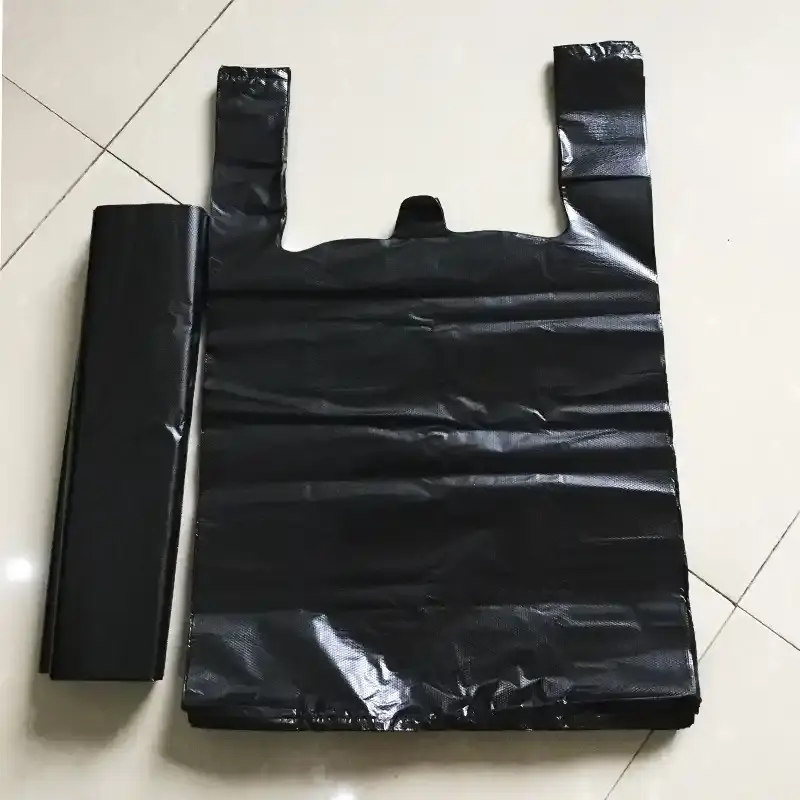
Understanding Black Heavy Duty Trash Bags for Construction Waste
What Makes a Trash Bag Heavy Duty
What makes a bag heavy duty is what it can handle, not what it says on the outside. Construction waste includes pieces of drywall, tiles, nails, and wood that have been broken up. Each one tries to break through the film. Food trash adds a new test: bones, shells, and weight that is wet all pull on the seams. Some bags are really heavy duty because they have sound seals, thick enough film, and the right resin. I've found that buyers get the best deals when they match the bag to the worst thing it can hold, not the most common load. That habit keeps most bags from splitting and the mess that comes after.
Material and Thickness: Reading the Numbers
Polyester is used in most black heavy duty trash bags. Low-density polyethylene (LDPE) is more flexible and better at absorbing bumps, while high-density polyethylene (HDPE) feels harder and can hold more weight. The film's dark color comes from carbon black. We work with HDPE, LDPE, and PP at SYM. The extra-thick PE bag we have is 4–6 silk. One silk is equal to 0.011 mm, so the film is between 0.04 and 0.06 mm thick, or 40 and 60 microns, or 1.6 and 2.4 mil. Mils are often used in US listings, so change the units before you compare. It's not just the thickness that determines strength; the quality of the plastic and film also plays a role. But a thicker film gives the bag more room to handle a sharp edge before it tears.
Sizes and Load Capacity for Job Sites and Kitchens
Size affects how a bag works when it's full. Our bags are between 8090 cm and 100120 cm, or 31.535.4 inches and 39.447.2 inches. The smaller end is good for trash cans in restaurants and cleaning up room by room because one person can lift the bag. The bigger end is good for big pieces of renovation waste like torn carpet, insulation, and broken drywall. The bag can hold up to 30 kg, which is about 66 pounds, and can hold loads over 20 kg, which is about 44 pounds. When a big bag is full, it can be dangerous to lift it. Any size your crew can carry without strain is fine, even if the film can hold more.
Where These Bags Work Best
There are two places where this product really shines: construction sites and commercial kitchens. The US Environmental Protection Agency said that in 2018, the country made more than twice as much building and demolition garbage (600 million tons) as municipal solid waste. Contractors go through bags quickly because of that amount. Restaurants have a different load to carry. Food made up about 21.6% of the 63 million tons of municipal solid waste that was made in 2018. Kitchen waste is wet, heavy, and full of sharp bones. Our extra-thick PE bag can be used for both, which makes buying easier for companies that do kitchen and bathroom renovations.
Comparing Options and Choosing the Right Bag
Black Versus White and Clear Bags
Color changes more than just how it looks. People can't see what's inside because of the black film. This protects privacy and keeps the trash out of sight while workers move it to a dumpster. Clear and white bags are both useful in their own ways. Some recycling programs and haulers need clear bags so workers can see what's inside, while white bags are used for light-duty trash. Black should be used for mixed debris and kitchen waste during building and repair, and clear should only be used when a hauler or neighborhood program asks for it. Make sure you know the rules before you place a big order, because having a load turned down costs a lot more than that.
Contractor Bags, Drawstring Bags, and Flat Bags
"Contractor bag" is a popular name for heavy rubbish bags. Many are sold in the US in 42-gallon containers and at a thickness of about 3 mil, so a buyer who wants to compare labels should first change microns to mils. Drawstring bags have a built-in handle that makes them easy to close, which is helpful for kitchen bins and lighter loads. Flat-top bags without drawstrings are good for big stuff, and workers often tie, twist, or tape the neck. Tell the supplier before production starts if your team needs a certain way to close the bag so that the format works for your crews.
Quality Checks and Certifications to Request
When evaluating black heavy duty trash bags, buyers should always request evidence to support a supplier's claims about strength, durability, and product consistency. Two useful testing methods for plastic film are ASTM D1709 and ASTM D882. ASTM D1709 measures the impact resistance of a film using a free-falling dart, helping buyers understand how well the material withstands sudden impacts. ASTM D882 evaluates tensile properties, including tensile strength and elongation, to show how the film responds to stretching before it breaks. For black heavy duty trash bags, these test results can help procurement teams compare material performance and determine whether the selected film is suitable for the intended waste type and handling conditions. Ask suppliers to provide reports that correspond to the actual material formulation, film thickness, and product specifications you plan to purchase, and confirm how they monitor thickness consistency across production batches. At SYM, we hold ISO 9002 quality management certification and China's QS certification, and our factory uses computer-controlled equipment for gravure printing, bag making, and precision cutting. These manufacturing capabilities support consistent production of black heavy duty trash bags for different commercial and industrial applications. However, certifications and laboratory test reports serve different purposes: a certificate indicates compliance with a particular management system or applicable requirement, while a test report provides results for specific samples under defined testing conditions. Therefore, when sourcing black heavy duty trash bags, request both relevant certification documents and product-specific test reports whenever applicable. By verifying testing methods, reviewing batch inspection procedures, and confirming that documentation matches the products being supplied, buyers can make better-informed purchasing decisions and select black heavy duty trash bags that meet their performance and quality requirements.
Procurement Guide: How to Buy Black Heavy Duty Trash Bags for Construction and Renovation Waste
Sourcing Channels and Questions to Ask
Buyers get their goods from manufacturers, wholesalers, or online markets. A maker can make the right size and film for you, so here are three things you should ask first:
• To make the specification clear: Write down the width, length, thickness in microns, type of resin, and load rating you need. Without numbers, words like "heavy duty" don't mean much. When a supplier gives you clear numbers, it means that they have a good handle on production, and written specifications let you compare quotes evenly. After that, test a sample with some of your own trash.
• Proof of consistency: Find out how the provider checks each carton's width, printing, and seal strength. When the final box is different from the example, big orders go wrong. To get an idea of what to expect, ask for a list of quality control steps or records of inspections done before shipping.
• Exporting and talking to other people: Check the way the items are packed, the shipping paperwork, and the person who answers your questions. Use a thorough question to test how fast you can answer. When someone places an order, quick, clear answers are often a sign of steady support afterward. SYM has shipped to more than 40 countries and has customer help available 24 hours a day, 7 days a week.
These checks find gaps in the specifications before they get to your site.
Volume, Customization, and Lead Times
Most of the time, bigger runs mean bigger discounts, so plan your annual demand and agree on regular drops instead of one big drop. This method makes storage room and yearly peak times, like when people are remodeling in the spring, easier. Customization changes the cost and time it takes, so decide on the size, thickness, color depth, and printing early on. We offer automatic bag forming, multi-layer co-extrusion, and multi-color gravure printing at SYM. This means that we can talk about special sizes and labeled print for contractors and wholesalers who sell bags. Get written estimates from each source for when the goods will be made and shipped. It's hard for me to give general lead times because they depend on the quantity, the specification, and the production going on at the moment.
Total Cost of Ownership
When purchasing black heavy duty trash bags, the lowest unit price does not necessarily translate into the lowest overall cost. On construction sites, in warehouses, and across industrial facilities, a torn bag can create additional cleanup work, delay operations, and potentially lead to extra disposal or hauling fees if debris spills during transportation. To evaluate the true value of black heavy duty trash bags, procurement managers should calculate the cost per bag, the number of bags used for each project, and the potential expenses associated with leaks, tears, and failed loads. Although thicker black heavy duty trash bags with stronger seals may cost more per unit, they can reduce the need for double-bagging, minimize waste spills, and improve handling efficiency when their specifications match the intended application. Instead of comparing suppliers solely by the price per bag, businesses should assess the total cost of collecting, containing, and transporting each load safely. This calculation should include freight charges, storage requirements, payment terms, replacement costs, and the labor required to manage damaged bags. Choosing the right specifications for black heavy duty trash bags can help businesses control these expenses without paying for unnecessary material thickness or features. Standardizing purchases around two or three commonly used bag sizes can also simplify inventory management, reduce storage complexity, and speed up stock turnover for waste collection companies and commercial buyers. By comparing the total cost per successfully handled load rather than the initial purchase price alone, businesses can select black heavy duty trash bags that deliver a practical balance of durability, reliability, and cost efficiency.
Proper Use and Disposal of Black Heavy Duty Trash Bags on Site
Loading and Handling to Prevent Tears
Most bag failures are caused by use, not the film. Fill it up to about two-thirds full of heavy things like tile, plaster, or concrete chips. This will allow the neck to close and keep the load below the safe lifting limit for your crew. Put glass, nails, and metal edges that are sharp inside a rigid container or wrap them in cardboard. Don't drag the bag across rough floors; instead, lift it from the bottom with two hands. Keep bags away from the edges of the pallet that are sharp. Our bag has a 30 kg rating, which means it can hold more than 20 kg, but I don't use that as a daily goal.
Sorting Waste and Following Local Rules
Sorting keeps expensive rejects from happening at transfer stations. When local programs say to, keep drywall, wood, metal, and other types of trash away from each other. Also, check your hauler's rules for bagged loads. Certain things need to be handled in a certain way. The EPA's Renovation, Repair, and Painting Rule covers work that disturbs lead-based paint in homes built before 1978. Also, bags alone aren't usually enough to check for asbestos; approved workers are usually needed. If there are composting or organics programs in the area, restaurants should keep food waste separate from other trash. Cities and states have different rules, so I tell contractors to check with the local waste authority before starting any project.
Training Crews and Choosing Responsible Disposal
It pays to have a short lecture. Crews should be shown how to put things in, close, and lift a bag. One person should be put in charge of checking sharp items before they go into the bag. When it comes to the environment, black plastic bags full of mixed building waste are often thrown away because they are too dirty to recycle. Think about the words you use in marketing. The Federal Trade Commission's Green Guides say that claims like "degradable" should not be made without proof. If your business cares about being environmentally friendly, ask your suppliers what proof they can show. Choosing the right thickness and size will also help you cut down on waste, since crews will use fewer bags and not have to double-bag.
Conclusion
If you want to use black heavy duty trash bags for building and repair waste, you need to make sure that the bag fits the trash. The performance of polyethylene film is based on its thickness, size, and load rating. The numbers should be written down. A 4–6 silk film, or 40–60 microns, comes in sizes ranging from 8090 cm to 100120 cm and can hold up to 30 kg. It can be used for both restaurant food trash and building debris. Black film hides what's inside, and clear or white bags only work with certain hauler rules. Buyers should ask for ASTM D1709 and D882 results, certifications, and checks for consistency. They should also compare providers based on how much it costs to haul a load properly. To keep bags and staff safe on the job site, sharp items are wrapped, sorted, and modest filling claims are made.
FAQ
What load can the bag carry?
With a 30 kg rating, our extra-thick PE bag can hold loads that are heavier than 20 kg. Two-thirds of the way full should be dense debris to make lifting safer.
Can black heavy duty trash bags hold sharp debris?
They are better at keeping sharp edges out than regular covers, but no bag can stop every one of them. First, put cardboard around the glass, nails, and metal.
How do I choose thickness?
Start with the sharpest and heaviest thing you have. Four to six silk, or 40 to 60 microns, or 1.6 to 2.4 mil, is how our film runs. Send us the type of debris and weight of the load, and we'll talk about the best way to handle it.
Can I reuse these bags?
Use a clean bag only for light, dry things. If you brought trash in a bag, it might have weak spots or holes that you didn't notice. Replace it.
Is the bag biodegradable?
Polyethylene is what our extra-thick bag is made of, so I wouldn't call it compostable. The FTC Green Guides say to ask any source to back up any environmental claims.
Request Black Heavy Duty Trash Bags from SYM
Looking for a company that sells black heavy duty trash bags? SYM is ready to talk. Our team has experience exporting to more than 40 countries, ISO9002 and QS certification, and customer service that is available 24 hours a day, 7 days a week. To get samples and information about sizes and prices, email jinlidasuliao@zohomail.cn with your needs. You can also visit jinlida.aixdb.cn.
References
1. U.S. Environmental Protection Agency. Construction and Demolition Debris Generation in the United States, 2018. 2020.
2. U.S. Environmental Protection Agency. Advancing Sustainable Materials Management: 2018 Fact Sheet. 2020.
3. ASTM International. ASTM D1709-16a: Standard Test Methods for Impact Resistance of Plastic Film by the Free-Falling Dart Method. 2016.
4. ASTM International. ASTM D882-18: Standard Test Method for Tensile Properties of Thin Plastic Sheeting. 2018.
5. Federal Trade Commission. Guides for the Use of Environmental Marketing Claims (Green Guides). 2012.
6. U.S. Environmental Protection Agency. Lead; Renovation, Repair, and Painting Program; Final Rule. 2008.

Send Inquiry
You may like