
Continuous Roll Bags for Grocery Produce and Retail Checkout
Nov 3, 2026
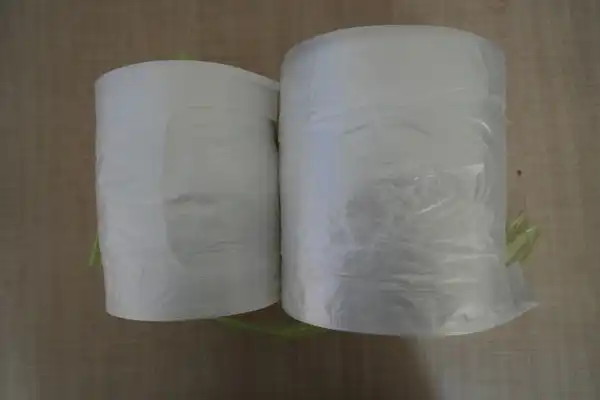
A continuous roll bag https://www.jldplastic.com/continuous-roll-bag/shopping-plastic-carry-bag-rollis a series of connected bags wound onto a core and separated one at a time at perforations. In grocery produce areas and at retail checkout, it gives staff a fast, clean way to open and fill a bag without handling a loose stack. I wrote this guide for procurement managers, packaging engineers, and operations leads who buy bags in volume. Below, I cover how roll bags work, how they compare with other formats, how to select and load them, and what to ask a supplier before you place an order.
What Are Continuous Roll Bags and Why Are They Essential for Retail Checkout?
How a Continuous Roll Bag Is Built
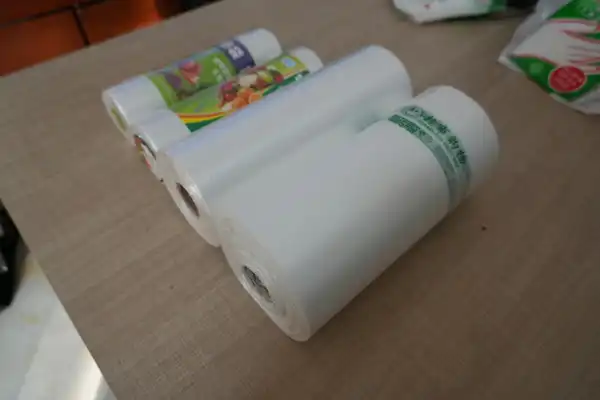
A continuous roll bag starts as tubular film, usually made by blown extrusion. At regular intervals, the tube is closed off to form a bottom seal. At each seal, a line of very small micro-perforations allows one bag to separate from the next. The finished chain winds onto a core, much like a roll of paper towels. Flat bags are suitable for small, light items, while gusseted bags feature folded sides that expand to hold bulkier produce. Because each bag pulls from the roll one at a time, staff touch only the bag they use. A roll also takes less storage space than the same number of loose bags in cartons, which is helpful in back rooms and on crowded packing floors.
Where Roll Bags Fit in Grocery and Retail Work
Most shoppers encounter these bags in the fruit and vegetable aisle, picking one up for apples, green beans, or mushrooms. The format is equally effective at checkout lanes, bulk food stands, deli counters, and wet markets. Speed is the main draw; a worker pulls a bag, snaps it open, and fills it without searching for the next sheet. During peak hours, a few saved seconds per bag add up significantly across hundreds of transactions. On industrial lines, dispensers are often mounted beside a scale or conveyor, allowing operators to keep their hands on the product instead of a bag stack.
Our Roll-Fed HDPE Bag at a Glance
SYM manufactures a roll-fed HDPE bag with a 6 kg capacity and a secure bottom. We developed it as a fast packaging tool for wet markets and industrial lines when used with dispensers. Each roll is wound on a paper core, with roll sizes ranging from 24 inches wide by 36 inches long to 35 inches wide by 54 inches long. HDPE provides a strong film at a thin gauge, and the secure bottom helps the bag hold weight without splitting at the seal. In wet markets handling damp fish and vegetables, a bag that stays closed at the base reduces spills. Industrial lines value the same steady performance for repeated filling. If you require a custom size, please send us your specification.
Comparing Continuous Roll Bags with Other Bag Types: Making the Right Packaging Choice
Roll Bags vs. Pre-Cut and Gusseted Bags
Pre-cut bags arrive in stacks or bundles, working well for manual packing of large or irregular items without a dispenser. However, the tradeoff is speed and tidiness, as loose bags can slide, stick together, and fall to the floor. A continuous roll bag hangs from a dispenser so the next bag is always in the same spot. Gusseted bags have folded sides that expand to fit bulky items like bread loaves or large cabbages. A gusset adds volume rather than speed and can also be wound on a roll. The choice depends on your dispensing method and the product shape; the format should be matched to your slowest production step.
HDPE, LDPE and Biodegradable Materials
HDPE features a density above approximately 0.941 grams per cubic centimeter, providing the stiffness and tensile strength needed to use thinner films for the same load, which reduces plastic use per bag. LDPE is smoother, softer, and clearer, making it ideal for displays where product visibility is critical. Biodegradable films made from resins like PLA or PBAT address sustainability goals; buyers often verify compostability against ASTM D6400 in the US or EN 13432 in Europe. These materials often cost more and require specific disposal systems. Regulations vary by region, such as California’s SB 270, so check local laws before choosing. Our factory primarily works with HDPE, LDPE, and PP.
Cost per Roll, Cost per Bag, and OEM Options
Compare suppliers by the cost per usable bag rather than the price per roll. Calculate this by dividing the roll price by the number of bags, then adding the cost of bags lost to tearing, jams, or split seals. For example, a $30 roll with 500 bags costs six cents per bag before waste; a cheaper roll that tears easily may actually cost more in lost product and labor. OEM and private label programs allow for printed logos, turning every bag into a small advertisement while custom sizes reduce over-packaging. SYM utilizes computer-controlled high-speed gravure printing machines to support multi-color artwork and custom size requirements.
How to Select and Use Continuous Roll Bags Effectively in Retail and Grocery Settings
Choosing Size, Material and Strength
Start with the product and work backward to the bag. We recommend checking three factors:
- Load and size: Measure your standard fill weight and add a safety margin. Our continuous roll bags made from HDPE can carry up to 6 kg, which suits many produce and wet-market orders. Match the bag width and length to the product to ensure fast filling without wasting extra film.
- Seal and film strength: A secure bottom is essential for heavy or wet items. Request seal strength data tested to ASTM F88 and dart impact results under ASTM D1709, which measure how well the film resists punctures from stems, ice, or sharp corners.
- Dispenser and core fit: Confirm your dispenser can accommodate the roll width and the paper core. Our rolls range from 24 by 36 inches to 35 by 54 inches, so verify the spindle clearance of your equipment and provide the model number if possible.
Loading Rolls into Dispensers
A clean load prevents most operational jams. Place the dispenser on a flat, stable surface near the packing point. Slide the roll onto the spindle so the bags unwind in the direction indicated by the dispenser. Thread the first bag through the guide, then pull one bag gently and tear it at the perforation to test the feed. Always pull straight rather than sideways to avoid straining the seal. Ensure the paper core spins freely without rubbing the housing. Keep the dispenser dry and clean, especially in wet markets, and replace rolls before they are completely empty to prevent the last bags from catching on the core.
Fixing Tearing, Sticking and Jams
Most performance issues stem from three causes. First, bags may tear at the bottom if the perforation is stronger than the seal; tear resistance should be measured by ASTM D1922. Second, bags can stick together in humid environments if they lack sufficient anti-blocking additives or are stored in damp areas. Keep rolls dry and off wet floors, as moisture can soften paper cores. Third, jams often result from a misaligned roll or a worn dispenser guide. If a problem occurs, record the roll number and provide a photo and sample so we can review the production batch.
Procurement and Supply Chain Guidance for Continuous Roll Bags
Bulk Orders, Customization and Total Cost of Ownership
Bulk orders generally reduce the unit price and freight costs, provided you have proper storage. Plan your orders around sales calendars, including seasonal produce peaks and holidays, as customization (like printed logos or custom sizes) requires lead time for artwork approval and cylinder preparation. Consider the total cost of ownership: unit price, freight, storage, labor per bag, and waste from defects. A continuous roll bag that loads quickly and rarely jams lowers labor costs even if the initial price is similar. Sharing your annual volume with your supplier helps establish a steady and reliable delivery schedule.
What to Check Before You Choose a Supplier
Ask for evidence of quality rather than promises. For food contact applications in the US, ensure the polyethylene complies with FDA rule 21 CFR 177.1520 and request a statement of compliance. Review quality records for gauge consistency, roll length accuracy, and seal strength, and inspect samples for defects like gels or black specks. SYM was established in 2017, holds ISO9002 and China’s QS certifications, and ships to over 40 countries. Our 8,600-square-meter factory employs over 100 people, including 40 technical staff, and features high-speed gravure printers and precision slitting machines. Our customer service team is available 24 hours a day.
Sustainability Trends and Dispenser Changes
Bag regulations are constantly evolving at the state and city levels, requiring flexible sourcing. Many retailers are shifting toward thinner yet stronger films, recycled content, and clear recycling labels. HDPE is a recyclable polymer, and many US stores provide bins for clean plastic film collection. On the equipment side, dispensers that accommodate larger rolls reduce the frequency of reloads, so match your roll size to your traffic volume. Bring your supplier into discussions early when planning to change materials or dispensers so that sample runs can be conducted before full production begins.
Conclusion
A continuous roll bag provides grocery produce areas, wet markets, checkout lanes, and industrial lines with a fast, clean way to dispense packaging. Compared to pre-cut and gusseted formats, the roll format reduces handling and storage space, though gussets remain useful for bulky items. HDPE provides strength at a thin gauge, LDPE offers clarity, and biodegradable films serve specific sustainability goals. The optimal choice depends on the cost per usable bag, load capacity, seal strength, and dispenser fit. Test data such as ASTM D1709, F88, and D1922, along with food-contact compliance, help identify a dependable supplier. Proper loading and dry storage are the best ways to prevent tearing and sticking.
FAQ
What roll bag size works for grocery produce?
It depends on the weight and shape of the item. Our HDPE continuous roll bags support up to 6 kg and come on paper cores, with sizes ranging from 24 to 35 inches in width. We can help you match a size based on your typical fill requirements.
How do roll bags compare with traditional plastic bags in cost and durability?
Always compare the cost per usable bag. Because HDPE film remains strong at a thin gauge, it can reduce total plastic use, and a secure bottom prevents seal failure. Faster dispensing also significantly reduces labor time per transaction.
Can I customize roll bags for my brand?
Yes, SYM offers multi-color gravure printing and custom sizes. Provide your artwork, bag dimensions, and dispenser model, and we will confirm our production capabilities for your specific brand needs.
Request a Continuous Roll Bag Quote and Samples from SYM
SYM is a continuous roll bag manufacturer shipping to more than 40 countries and regions, with 24-hour customer service. Our 6 kg roll-fed HDPE bag with a secure bottom suits wet markets and industrial lines using dispensers. Send your size, volume, and dispenser details to jinlidasuliao@zohomail.cn for pricing and sample information, or visit jinlida.aixdb.cn to view our product range.
References
1. ASTM International, Standard Test Method for Impact Resistance of Plastic Film by the Free-Falling Dart Method (ASTM D1709), 2016
2. ASTM International, Standard Test Method for Seal Strength of Flexible Barrier Materials (ASTM F88/F88M), 2021
3. ASTM International, Standard Test Method for Propagation Tear Resistance of Plastic Film and Thin Sheeting by Pendulum Method (ASTM D1922), 2015
4. U.S. Food and Drug Administration, Code of Federal Regulations Title 21, Section 177.1520 Olefin Polymers, 2023
5. CalRecycle, Single-Use Carryout Bag Ban (SB 270) Overview, 2016
6. Ebnesajjad, S. (Ed.), Plastic Films in Food Packaging: Materials, Technology and Applications, William Andrew Publishing, 2013

Send Inquiry
You may like