
Continuous Roll Bags for High-Volume Food and Produce Packaging
Nov 5, 2026
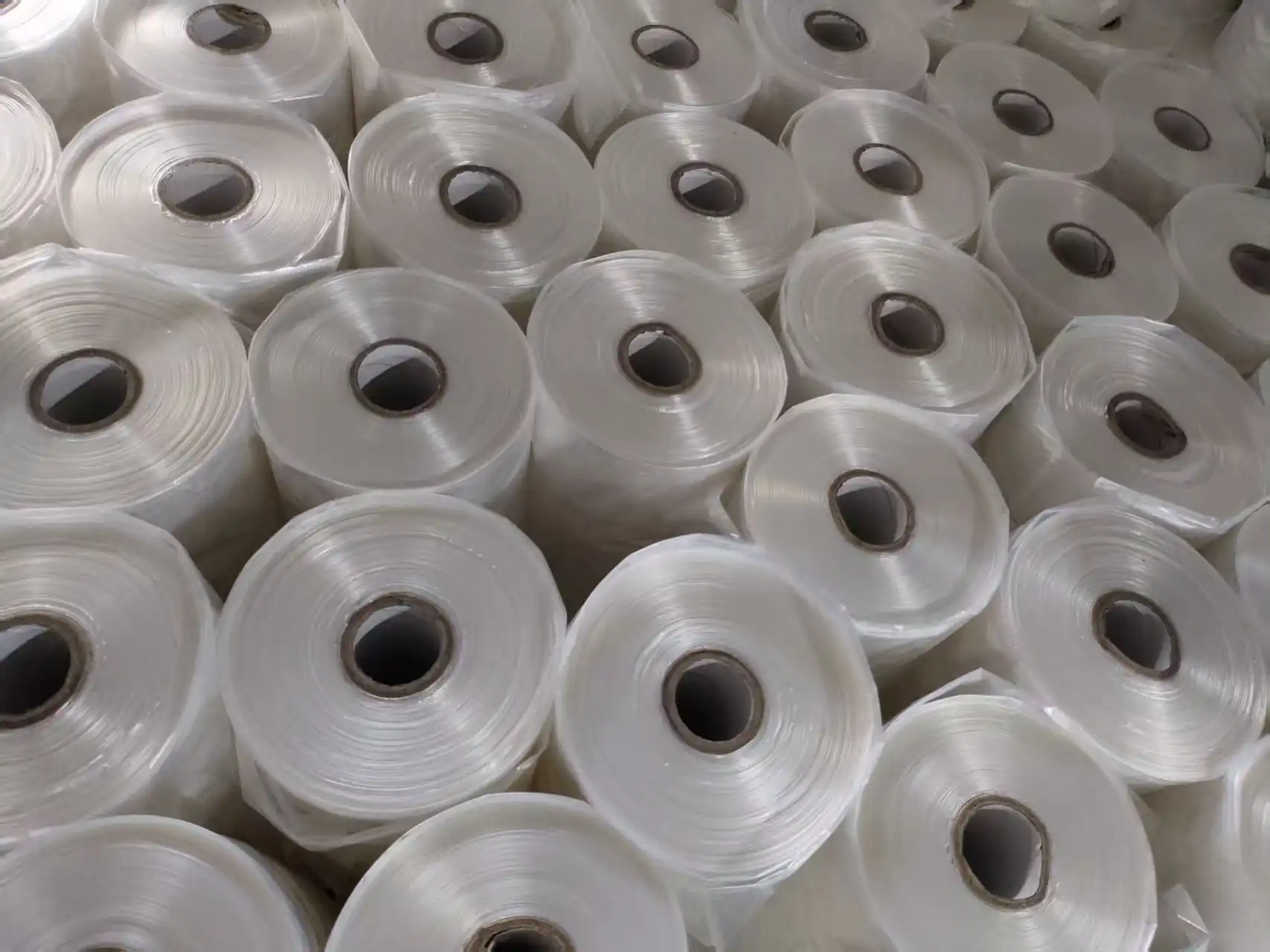
A continuous roll bag https://www.jldplastic.com/continuous-roll-bag/plastic-continuous-roll-bags is a packaging format in which individual bags, made from tubular plastic film, connect through perforations and wind onto a core. You pull one bag, tear it free, and fill it. In high-volume food and produce packaging, this format cuts manual bag handling, limits waste from poor sizing, and keeps the line moving. I wrote this guide for procurement managers, packaging engineers, and QA teams who buy at volume. Below, I explain how the format works, how it compares with other options, how to run it, and what to check before you order.
Understanding Continuous Roll Bags and Their Benefits
What a Continuous Roll Bag Is and How It Works
Each bag on the roll starts out as a tube of film. At set times, machines seal and perforate the film, which keeps the bags together until someone pulls them apart. The first bag is opened, filled, and then torn open at the opening. The next bag is already in place. When you separate and sort loose bags, you lose time. This process saves that time. Because rolls are small, they take up less shelf space than the same number of loose bags. If you are going to use a pump or machine, make sure the core size and roll width are right for the machine.
Our Roll-Fed HDPE Bag at a Glance
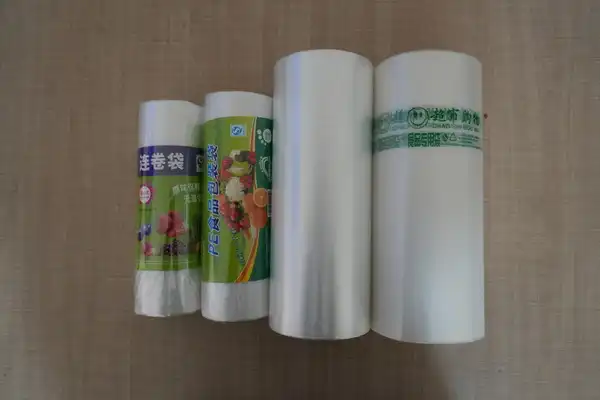
SYM sells a roll-fed HDPE bag that can hold 6 kg, which is about 13 pounds, and has a tight bottom. When paired with dispensers, it can be used to quickly package things for convenience stores and factory lines. The bags come with paper cores that are 24" wide and 36" long or 35" wide and 54" long. A person who works at a seafood stand, a vegetable packer, and a grain handler can all choose from that range of forms. When we quote, we make sure you know the film gauge, print design, and roll length, which depend on the weight and shape of your product.
Why HDPE Suits Food and Produce Work
Because HDPE film is stiffer and stronger when pulled apart than LDPE film, a bag made of a thinner gauge can hold more weight. Resin can be used in fewer bags if the film is thinner. HDPE doesn't absorb water either, which is helpful at fish stations and on lines for washing vegetables, where water can build up in the bags. Some people choose LDPE for show packs because it is clearer. In the US, the FDA says that olefin polymers, like polyethylene, can be used with food as long as they follow the rules it sets out in 21 CFR 177.1520. Still, I tell people who want to buy resin that they should ask for proof of the exact grade they want to use.
Comparing Continuous Roll Bags with Traditional Packaging Solutions
Roll Bags vs. Loose-Stack Bags
Someone has to separate each loose-stack bag, and static electricity or moisture can stick them together. When you use continuous roll bags, you don't have to do that step because you can use the next bag right away. Contact drops also happen because a packer works with one bag at a time instead of a stack, which makes it easier for people working at food counters to be clean. Also, rolls don't sit on a wet table; they hang on a rack. The cost of tools is that you need a dispenser or case. For places that fill bags all shift, a simple rack is a nice touch. Sometimes it makes sense to use loose stacks.
Roll Bags vs. Zipper Bags, Plastic Wrap, and Generic Liners
People can reseal zipper bags that come in retail packs, but they cost more per bag and take longer to fill. Plastic wrap can hold trays, but it can't hold the weight of loose food or wet seafood. Liners and trash bags that aren't made for food often pose an extra risk in a food setting. A food-grade continuous roll bag is in the middle of these two choices. It can hold a lot of weight, keep out moisture, and be used quickly. There are also stand-up cases, vacuum bags, zipper bags, and sealing films made by SYM, so buyers can find the right style for each item.
Performance Factors That Separate Good Rolls from Poor Ones
Three things that you can measure tell you how a roll will act on your line. When tested using ASTM D1709, dart drop impact shows that it can't cut things like bones, shells, and box edges. The ASTM F88 test for bottom seal strength tells you if the seal can hold a full load. Tear tests like ASTM D1922 help you figure out how the film tears at the opening. It's also important that the gauge is the same across the whole roll, since thin spots fail first. Before you place a large order, ask any supplier to show you test results on these points.
How to Use Continuous Roll Bags in High-Volume Food Packaging
Matching the Roll to the Dispenser
A dispenser only works well if the roll fits. Compare the inside diameter of the core, the outside diameter of the roll, and the width of the roll to the specifications for the holder or machine. Make sure that the stick or platform can hold a paper core without shaking. Fix the roll so that the bags always come out from the same side. When a roll drags or spins freely, it tears bags and slows down the line. Before you commit to a full order, try one roll on your real equipment, and let us know what kind of dispenser you have so we can make sure the specs are right.
Filling and Closing Techniques for Wet and Dry Products
Make sure the bag is completely open before you put big things in it. This way, the weight will rest on the bottom seal. If your goods are wet, like fish, shellfish, or washed greens, let the extra water drain first. Liquid that pools adds more weight than you intended. Don't lift more than 6 kg, and support the base when you lift a full bag instead of just the thin top edge. Depending on the item, you can use a twist tie, tape, or a clip to close the bag. Fill weights should stay the same on industrial lines so that the seal always sees the same load.
Hygiene, Storage, and Handling of Rolls
Keep rolls in a cool, dry place that isn't on the floor or in direct sunlight. In damp rooms, paper cores can soak up water, which can bend the roll and make unwinding uneven. Until you need them, keep rolls in their boxes and cover opened rolls to keep dust from getting in. People who work with bags should wash their hands first and not touch the inside of the next bag on the machine. Sort the stock by when it was delivered so that the oldest rolls go out first. These habits don't cost much and keep the bag and food safe. The USDA's Economic Research Service says that about 31% of the food sold to consumers and retailers in the U.S. went uneaten in 2010. This means that you need to be very careful when handling food.
Procurement Considerations for B2B Buyers
Specifications to Confirm Before You Order
Most mismatches can be avoided with a clear design sheet. Check the film gauge, the number of bags per roll, the core size, and the bag width and length (between 24" and 36" and 35" to 54"). Describe the heaviest item you plan to pack and say whether it is wet, sharp, or cold, as these conditions affect the choice of gauge and seal. Share your art, colors, and locations if you want to build your business. High-speed gravure printing and multicolor printing are controlled by computers at SYM. This means that logos and product information can be printed on the film. Please tell us about your pump type and how it will be stored so that we can suggest a good setup.
Quality Checks and Certifications
These are the checks you should ask for with every sample and production lot.
- Bottom seal strength: Then, fill a sample bag with 6 kg of stuff and lift it by hand. This is what ASTM F88 says should be done. You can be sure that a full bag will make it from the counter to the cart or pallet if the seal holds up in both tests.
- Gauge and perforation consistency: Find several places on a roll where the film is thick and compare them to the agreed-upon gauge. Then take ten bags from the dispenser and line them up. Each clean break that doesn't split the seal shows how well the hole will work on your line, and thin spots will show up quickly.
- Supplier certification: Ask for proof of the quality system the supplier has in place. SYM has ISO9002 quality management certification and China's QS certification. We have more than 40 expert staff members on our team. Your QA manager can file a copy of the certificate and the dates it is valid with the vendor records if you ask any supplier for them.
When these checks are done, a price quote turns into a confirmed purchase, and the chance of line stops and complaints goes down.
Pricing, Lead Times, and Supply Stability
The cost per packed unit tells the whole story, not just the unit price. It may be cheaper to use a stronger bag that doesn't burst than to lose products and do more work because of a weaker bag. A lot of orders usually mean less per unit, and repeat orders let both parties plan resin and press time. SYM has been making things for more than 20 years, has a workshop that's 8,600 square meters, and has more than 100 workers. We send our goods to more than 40 countries, and our customer service team is available 24 hours a day. Tell us how much you buy each year and when your sales are at their highest, and we'll give you an estimate of how long it will take to get your order.
Sustainability and Future Trends in Continuous Roll Bags
Recyclability and Material Reduction
HDPE has a resin code of 2, and many grocery stores in the U.S. have bins for collecting clean, dry plastic film. Check with your local program to see if they will accept the bag after it has been in touch with food. Film that is wet or dirty usually doesn't qualify. You can cut down on plastic use even before the plan is made. If you make the bag the right size for the goods, you won't need extra film, and because HDPE is strong, you can use a thinner gauge once tests show it works. It's clear that the EPA is paying close attention to this film stream because it lists plastic bags, sacks, and wraps as a separate type of municipal solid waste.
Compostable Alternatives
People can buy films made from PLA or PBAT that can be broken down in the environment. In the US, recyclable plastics are usually tested against ASTM D6400, while in Europe, EN 13432 is used. Before moving, try these films out on your own line to see how strong they are, what temperature they lock at, and how long they last in storage. There also needs to be a waste center that will take compostable bags, which isn't always possible. If you decide to go this way, talk to your supplier about what materials and certifications will work best for your number. The continuous roll bag that is being talked about here is made of HDPE.
Dispensers, Automation, and Traceability
A lot of places start out with hand pumps and then switch to automatic bagging. A roll will only fit a certain machine if it has the right core size and roll diameter, so make sure you know these things when you plan to upgrade. SYM also sells packaging rolls that can be used by machines and are fully automatic. It is possible to track a product back to a batch if you include lot codes or QR codes on the film on the print side. It's best to think about these needs early on, since changing art later takes time.
Conclusion
A continuous roll bag joins bags with holes in the middle, which cuts down on handling time and storage space. This makes packing a lot of food and produce faster. This article talks about a roll-fed HDPE bag that can hold 6 kg, has a safe bottom, and comes with paper cores that are 24" × 36" to 35" × 54". HDPE is strong at lower gauges and doesn't absorb water. Continuous roll bags are better for speed of filling and cleanliness than loose stacks or generic liners. You can measure quality by looking at things like dart impact, seal strength, tear behavior, and gauge consistency. Careful filling, the right fit for the dispenser, and dry storage keep the line steady. The price should reflect the cost per packed unit, and environmentally friendly choices include HDPE film that can be recycled and compostable replacements that have been tried.
FAQ
Is the roll-fed HDPE bag suitable for wet products?
Yes, HDPE doesn't absorb water, and the safe bottom works well for use in wet markets. First, drain off any extra liquid, and don't go over 6 kg.
Does the bag work with dispensers?
Yes. When you use it with dispensers, we market it as a quick way to package things. Let us know what kind of dispenser you have so we can check the core size and roll diameter.
What sizes are available?
Comes with paper cores and varies in size from 24" wide x 36" long to 35" wide x 54" long.
Can I print my brand on the bags?
Yes. We do gravure printing in many colors. Send us your artwork during the quote process, and we'll let you know what works best for your order.
What certifications does SYM hold?
We have both the ISO9002 quality management system approval and the QS certification from China. Get copies of the certificates from us.
Request Your Continuous Roll Bag Quote from SYM
Are you ready to find a supplier of continuous roll bags for your food or food line? Send SYM an email at jinlidasuliao@zohomail.cn with your size, volume, and dispenser information. Our plant is certified by ISO9002 and QS, has gravure printing, customer service that's open 24 hours a day, and has exported to more than 40 countries. You can see our whole selection at jinlida.aixdb.cn and request roll-fed HDPE bag samples right now.
References
1. U.S. Food and Drug Administration. Code of Federal Regulations Title 21, Section 177.1520: Olefin Polymers. 2023.
2. ASTM International. ASTM D1709: Standard Test Methods for Impact Resistance of Plastic Film by the Free-Falling Dart Method. 2016.
3. ASTM International. ASTM F88/F88M: Standard Test Method for Seal Strength of Flexible Barrier Materials. 2021.
4. ASTM International. ASTM D1922: Standard Test Method for Propagation Tear Resistance of Plastic Film and Thin Sheeting by Pendulum Method. 2009.
5. U.S. Environmental Protection Agency. Advancing Sustainable Materials Management: 2018 Fact Sheet. 2020.
6. USDA Economic Research Service. The Estimated Amount, Value, and Calories of Postharvest Food Losses at the Retail and Consumer Levels in the United States. 2014.

Send Inquiry
You may like