
How Disposable PE Gloves Support Fast-Paced Food Processing
Nov 3, 2026
Plastic PE Gloves https://www.jldplastic.com/disposable-gloves/plastic-pe-glovessupport food processing by giving workers a thin, low-cost barrier that goes on in seconds and comes off just as fast. On a busy line, staff change gloves often, so speed and price matter as much as hygiene. HDPE gloves with a non-slip embossed surface help hands keep a grip. Their single-use design lowers the chance of passing germs from one task to the next. I wrote this guide for procurement managers, packaging engineers, QA teams, and distributors who want clear facts before they buy. Below, I cover glove types, line challenges, selection, bulk buying, and waste.
Understanding Disposable PE Gloves and Their Role in Food Processing
What Plastic PE Gloves Are
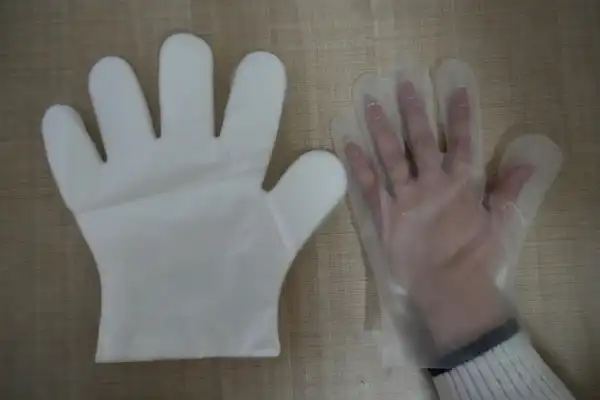
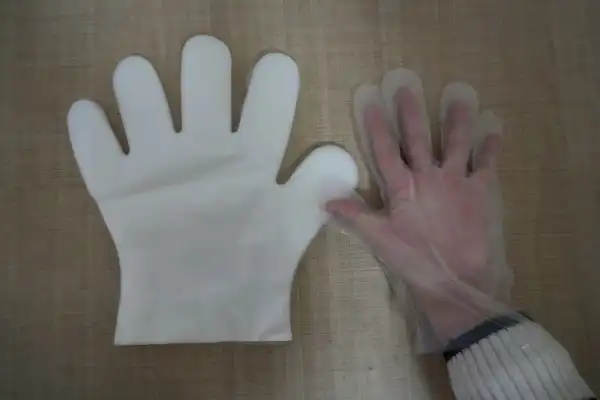
These are thin, one-time-use gloves made of polyethylene film. They are called Plastic PE Gloves. A worker can quickly slide their hand in and take off the glove because the shape isn't too tight. That's important on a line where each job requires a new pair of gloves. It doesn't have any natural rubber latex in it, so the protein that some people are allergic to in latex is gone. The one we made was out of HDPE that didn't slip. The gloves are safe, won't hurt you, and can stretch a little. The shape is made by automatic heat pressing. To be clear, these gloves are only good for quick, easy jobs. They don't work well with strong chemicals or heavy cutting.
HDPE, LDPE, and Powder-Free Choices
Polyethylene gloves come in two main types. HDPE is denser. Even when the film is very thin, it is strong and has a crinkly feel. After some use, LDPE feels better because it is softer and can stretch more. A lot of people want to know which one to choose. HDPE is cheap and strong in thin gauges, so it's good for jobs that need to be done over and over again, like packing, portioning, or serving. LDPE might be better for jobs that need to be easier for a longer time. Most of the time, powder isn't on PE gloves. This keeps leftover powder away from the packing lines and food.
U.S. Rules Buyers Should Know
Most decisions about gloves are based on two U.S. documents. The first one is FDA 21 CFR 177.1520. Inside, it talks about olefin plastics that touch food. Polyethylene is one example of this. The second is the FDA Food Code. This code tells people who work with food how to follow the rules. There are rules about how much ready-to-eat food workers can touch without gloves and that they have to wash their hands first. Also, it says that single-use gloves should be thrown away when they get dirty or broken after just one use. This is how the health departments in different states and cities follow the rules. Check with the one in your area. Also, I think you should ask each provider for written proof that they follow food-contact rules before you place your first order.
Challenges in Busy Food Processing Lines and How Disposable PE Gloves Help
Cross-Contamination Moves Quickly
On a busy line, one dirty hand can touch a lot of things. The 2014 CDC study on norovirus outbreaks in food found that norovirus is the major cause of outbreaks of sickness in the U.S. that are caused by food. The study also found that a sick food worker was to blame for about 70% of the norovirus cases that were linked to contaminated food. Even if a worker is sick, they should wash their hands and stay away from food, but gloves put something between their skin and the food. You should change your shoes every time you take a break so that dust doesn't move from one place to another. Plastic PE Gloves are cheap per pair, so plants can make a "change often" rule without spending a lot of money.
Speed, Comfort, and Grip
Small things determine speed. When there are a lot of changes per shift, every little bit of time saved adds up. Skin-tight polyethylene slides on over hands that are dry or just a little damp. The raised surface on our HDPE gloves makes them easier to hold on to when people are working with things that are wet or slippery. A common example is having fish at a wedding. You can move your fingers around while you pack, measure, and put together light things when the stretch is moderate. When you do the same thing over and over, the light layer keeps your hands from getting tired.
What Published Evidence Shows
There was no case study I made up. I looked for data that had already been shared. The 2001 Journal of Food Protection study looked at how well gloves kept germs from getting from hands to food. The data backed up the idea behind gloves that are only used once. The CDC said in 2011 that 31 major pathogens cause about 9.4 million illnesses in the U.S. every year that are spread by food. Gloves can't stop that on their own. These controls work best when they are part of a bigger plan that includes things like teaching workers how to wash their hands, setting cleaning schedules, and HACCP controls. It's clear what the point is when it comes to plants: gloves work best when changed at the right time.
Selecting the Right Disposable PE Gloves for Your Business Needs
Core Product Details to Check Before Ordering
Here are the product details buyers ask about first.
- Material and surface: Made of HDPE with a non-slip embossed surface, the gloves are safe, non-toxic, and moderately stretchy. Automated heat-pressing forms them. The embossing adds grip on wet or slick items, such as seafood, and keeps the film from clinging to skin during short tasks, which improves wearer comfort.
- Size ranges: S measures 23–25 cm, M measures 24–26 cm, L measures 25×27 cm, and XL measures 26×28 cm. Check these numbers against your team's hand sizes before ordering. A glove that is too tight strains the seam, and one that is too loose slips during fine tasks like packing small items.
- Thickness and packing: The film runs 0.6–0.8 si, and 1 si equals 0.01 mm, so the gauge is thin and light. Each pack holds 100 pieces, which is easy to count and restock at stations. Thin film also keeps the cost per glove low for high-volume use in catering and light cleaning.
These details help your team match the glove to the task and compare quotes fairly.
PE Compared With Nitrile, Vinyl, and Latex
Each glove material fits a different job. Nitrile is synthetic rubber. It fits snugly, resists punctures and many chemicals better, and costs more per pair. Natural rubber latex stretches well, but its proteins can trigger allergic reactions in some workers. Vinyl is a PVC film that also fits loosely. Polyethylene sits at the low-cost end, with the loosest fit and the quickest on-and-off. If your task is brief and low-risk, such as portioning, plating, or packing, PE gloves usually offer the best cost balance. If workers handle sharp tools, hot items, or strong cleaners, choose a stronger material.
Certificates and Supplier Checks
Ask for paperwork and test records before you approve a supplier. Request food-contact compliance documents that reference 21 CFR jinlida.aixdb.cn. Common batch checks include water-leak testing, seam strength, tensile and elongation tests, and size audits. Migration testing provides proof that nothing transfers into food. On our side, SYM, the brand of Rizhao Jinlida Plastic Co., Ltd., holds ISO9002 international quality management system certification and China's QS certification. We run computer-controlled high-speed gravure printing and bag-making equipment, and more than 40 technical staff support production. Share your compliance needs, and we will confirm which documents apply to your order.
Procurement Guide: Buying Disposable PE Gloves in Bulk for Efficient Supply Chain Management
Forecast Volume and Lead Time
Start with a simple count. Multiply the number of workers by the number of days they work, the number of shifts they work, and the number of glove changes per shift. You should add some extra money to pay for seasonal highs like baking for Christmas or packing up for the harvest. Then add up how much each pack weighs and how big it is. It's easy for a plant to make packs and cartons quickly because each pack has 100 pieces. Get a written quote for the lead time for each price, as it changes based on the size of the order, the mix of sizes, and the shipping method. A station can't work if they don't have enough gloves, so many buying teams keep extras of the sizes they use most on hand.
Pricing and Total Cost
When comparing suppliers of Plastic PE Gloves, evaluate both the price per pack and the cost per actual use to understand the overall value of each offer. The quotation for Plastic PE Gloves can vary depending on freight charges, the number of gloves per pack, film thickness, and the distribution of sizes included in the order. Although an unusually low price may seem attractive, it can sometimes indicate inconsistent film thickness, weak seams, or inadequate quality control, potentially resulting in more product returns, wasted materials, and higher replacement costs. To make a fair comparison, request the same specifications from every supplier, including material type, glove dimensions, thickness, packaging quantity, delivery terms, and quality inspection procedures. For HDPE Plastic PE Gloves with a specified thickness of 0.6–0.8, clarify the measurement unit and ask suppliers about batch inspections, leak testing, and consistency checks before confirming the order. These details help procurement teams determine whether the gloves meet their operational requirements and provide reliable performance. When requesting a quotation for Plastic PE Gloves, it is also helpful to provide an estimate of your annual purchasing volume, expected order frequency, and preferred delivery schedule. With a clearer understanding of your demand, suppliers can calculate more accurate prices, allocate production capacity, and plan raw material purchases more effectively. By comparing equivalent specifications and considering quality, freight, and replacement costs alongside the initial price, businesses can select Plastic PE Gloves that offer a better balance of affordability, consistency, and dependable supply.
Packaging, Customization, and Delivery
People who own brands and distribute them often need printed packs, private signs, or exact carton numbers. SYM makes flexible packaging that is automatically made, can be printed in more than one color, and has more than one layer. We send packages to over 40 locations in Asia, the United States, Europe, and Australia. We have customer service open 24 hours a day, so if you have questions about shipping or features, we can answer them quickly. Keep the gloves somewhere cool and dry after you get them. Keep them out of direct sunlight, as UV light can break down plastic. That's how it should be kept, and it should last between three and five years. Sort the goods by date, and the older boxes will be sent out first.
Environmental and Sustainability Considerations in Using Disposable PE Gloves
Understanding the Waste
Like other one-time use items, gloves make trash. They threw away 35.7 million tons of plastic in 2018, which is about 12.2% of all the trash that was picked up. Only 8.7% of the time was that much plastic found again. There are small gloves in this stream. Every week, a big plant can use a lot of them. When you use 0.6 to 0.8 si to make a glove, you use less plastic per piece than when you use thick film. Even if they buy in bulk, people should still keep track of how much they use so they don't buy too much.
Recycling and Disposal Realities
Recycled HDPE resin can be used again, but thin glove film that has touched food usually won't work with drop-off programs at the curb or in stores. Most plants just throw away used gloves like they're trash. What are the rules in your area? Ask your trash hauler before they come pick up your trash. There may be food bits in the recycling bins, so don't put used gloves in them. Putting clear bin signs at each spot also helps keep things straight. Your food safety program and your recycling stream are both safe when you throw things away in the right way.
Cutting Waste and Reviewing Eco Claims
Just put on the right glove at the right time to cut down on waste. Change your gloves when you need to, not every time. Make sure you get the right size so that you don't waste or tear as many gloves. So that people don't take extras, put machines in places where people work. Some suppliers offer options that can be broken down naturally. The FTC's Green Guides explain how ads for green products should be written. Cleanup gloves that can be used more than once are fine, but you shouldn't use them on ready-to-eat food.
Conclusion
Plastic PE Gloves help with busy food processing because they fit quickly, are cheap per pair, and have a single-use barrier that works with frequent glove changes. You can use raised HDPE gloves for light jobs like packing, splitting, and serving seafood. They can also be used for light cleaning and dyeing hair. For tougher or more specific jobs, nitrile, vinyl, and latex gloves are better. The CDC says that food workers are linked to cases of norovirus. It's important to keep records and check batches because FDA rules and Food Code guidelines say how things should be done. Size, width, pack count, and cost per use are the things you should use to get the right prices. An estimate of the amount will also help keep supply safe. Because thin, dirty film doesn't get returned very often, task-based changes and the right size of film cut down on waste. The best way to use gloves is to train with them and wash your hands first.
FAQ
How long can a worker wear one pair?
Treat each pair as single-use. The FDA Food Code says single-use gloves serve one task only, and workers should discard them when they are damaged, soiled, or after an interruption. Change gloves when switching between raw foods and ready-to-eat foods, and always wash hands before putting on a new pair.
Are PE gloves suitable for handling allergens?
The film is latex-free, which helps workers and customers with latex allergies. Latex-free does not mean allergen-free, though. Gloves can carry allergen traces from one item to another. Change gloves between allergen and non-allergen tasks, wash hands each time, and follow your written allergen control plan.
What drives bulk cost?
Film thickness, size mix, pack count, order volume, printing needs, and freight shape the price. Ask each supplier to quote the same specification, such as HDPE at 0.6–0.8 si in 100-piece packs, so you can compare cost per use instead of price per pack alone.
Get Plastic PE Gloves Samples and Quotes from SYM
The SYM name was created by Rizhao Jinlida Plastic Co., Ltd. in 2017. And now it is sent to more than 40 countries. It is certified by ISO9002 and QS. Email jinlidasuliao@zohomail.cn with your requirements for the size, pack, and number of Plastic PE jinlida.aixdb.cn to find a maker. Visit jinlida.aixdb.cn to learn more, or call our team at any time. Right now, get some of our HDPE gloves that have things on them.
References
1. U.S. Food and Drug Administration, FDA Food Code, 2022.
2. Centers for Disease Control and Prevention, Morbidity and Mortality Weekly Report: Vital Signs, Foodborne Norovirus Outbreaks, United States, 2014.
3. Emerging Infectious Diseases, Foodborne Illness Acquired in the United States: Major Pathogens, 2011.
4. Journal of Food Protection, Glove Barriers to Bacterial Cross-Contamination between Hands and Food, 2001.
5. U.S. Code of Federal Regulations, Title 21, Section 177.1520, Olefin Polymers, 2023.
6. U.S. Environmental Protection Agency, Advancing Sustainable Materials Management: 2018 Fact Sheet, 2020.

Send Inquiry
You may like