
How Reinforced Handles Improve Plastic T-Shirt Bag Load Capacity
Nov 2, 2026
Reinforced handles improve load capacity because they strengthen the exact spot where most bag failures begin. In Plastic T-shirt Bags, the weight of the contents pulls on a narrow handle strip, and that strip often tears before the bag body gives out. Extra film at the handle, a crisp HDPE structure, and firm seals spread the stress across a wider area. Our HDPE bags support 5–10 kg with reinforced seals, so checkout lanes and takeout counters can pack heavier orders with fewer torn handles. Below, I explain how this works and how to specify it.https://www.jldplastic.com/virgin-material-vest-bags/plastic-t-shirt-bags
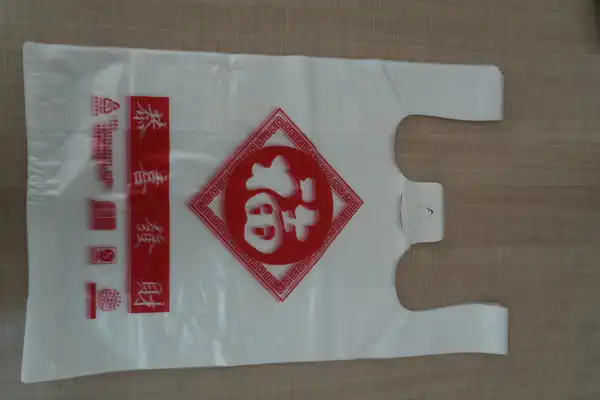
Understanding Plastic T-Shirt Bags and Load Capacity Challenges
What Plastic T-Shirt Bags Are Made Of and Why They Dominate Retail
Blowing films together produces Plastic T-shirt Bags, also known as Vest Carrier Bags. HDPE is strong for its weight because it has a density of about 0.941 to 0.965 g/cm³. That's why an HDPE bag that's not very thick can hold a lot of weight. It's possible for the film to be as thin as 6 microns, which saves space and money on materials. This type of bag is preferred by supermarkets, takeout counters, and farmers because it opens quickly, doesn't get wet, and costs less than paper or cloth. Because LDPE is softer and better at blocking sharp items, some buyers mix resins to do certain jobs.
Where Standard Handles Fail
Often, the handle is the weak link. The weight is mostly on a short piece of film and the corner where the handle meets the body. Point loads that start small tears are made by bottled drinks and boxes with sharp edges. Another problem is too much stretch. It happens a lot when the film is too thick or the blend has too much LLDPE. Adding more virgin HDPE raises the vertical tensile strength. Also, steam from hot takeout containers can make the film softer and the handles longer. Finally, a static weight can cause a bottom seal that isn't strong enough to break. Each of these failure types points to a different fix, which is what I'll talk about next.
What Load Capacity Means for Buyers
What is a bag's load capacity? It's the most weight it can hold before the handle tears, the seal breaks, or the bag permanently stretches. A failed bag means lost goods, a dissatisfied customer, and the cost of a new one for buying teams. Standard test methods let you and your suppliers talk the same language. ASTM D2103 specifies the standards for polyethylene film, ASTM D882 checks the film's ability to stretch, and ASTM D1709 uses a falling dart to test its resistance to contact. Lab numbers are helpful, but I also think you should do a simple hanging test with your real goods. The two tests together let you see if a bag fits your line before you buy a lot of them.
How Reinforced Handles Solve Load Capacity Problems
How Reinforcement Spreads Stress
If you reinforce something, you add more material or make the shape better where the load is highest. A thicker film in the handle zone, folded or doubled handle layers, and a wider transition between the handle and body are all common ways to do this. There is less pressure on each square millimeter of film when there is more contact area. This is similar to how a wide backpack strap feels better than a thin cord. Cutting things out in a rounded shape is also helpful, since sharp corners can cause stress and tears. The exact way to do it depends on how the bag is made, so get a sample that is the right size and weight for you. After that, you can easily compare it to the bag you already have.
The Role of Reinforced Seals
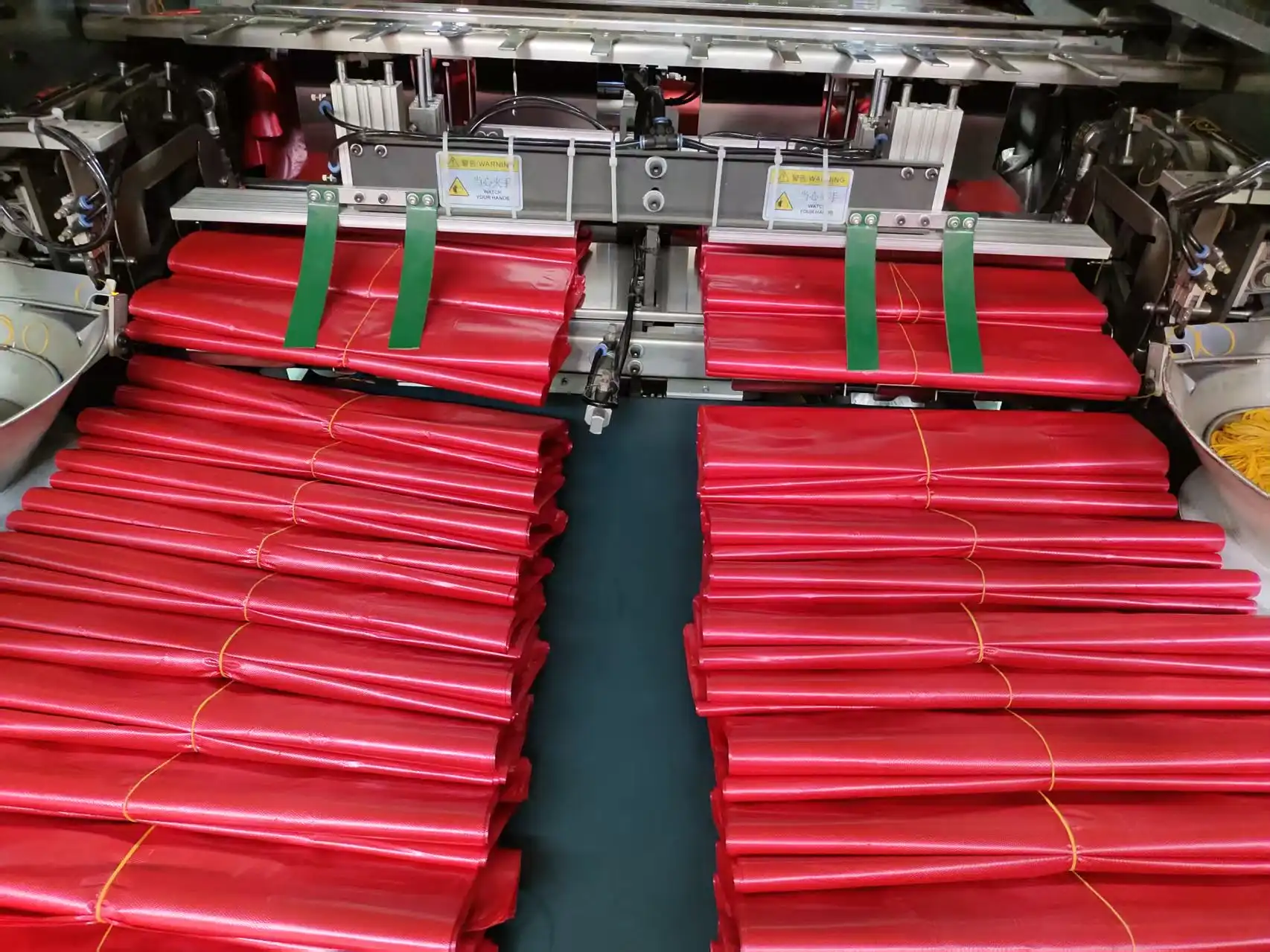
One of the most important factors affecting the performance of Plastic T-shirt Bags is the strength of the bottom seal, which must withstand the weight of the contents without splitting or leaking. Our HDPE Plastic T-shirt Bags can be designed for loads of approximately 5–10 kg, depending on bag dimensions, film thickness, handle construction, and sealing quality. To achieve reliable performance, manufacturers must carefully control sealing temperature, pressure, dwell time, and film thickness throughout production. If the film gauge varies significantly across the material, the seal may become uneven and more vulnerable to failure under load. Our computer-controlled, high-speed bag-making machines help maintain consistent production settings, supporting uniform seal quality across large orders of Plastic T-shirt Bags. However, consistent manufacturing settings alone are not enough to guarantee performance. Quality control teams should also conduct static-load tests on Plastic T-shirt Bags by applying an appropriate weight for a defined period and checking for seal separation, tearing, or deformation. This is important because a bottom seal may look flawless immediately after production but still fail after carrying a sustained load for several minutes. In addition to evaluating the bottom seal, buyers should inspect handle strength, film consistency, and the overall construction of Plastic T-shirt Bags before approving a bulk order. A strong handle cannot compensate for a weak base, so both areas must be tested together to ensure that Plastic T-shirt Bags can carry the intended products safely and reliably. By combining precise manufacturing controls with practical load testing, businesses can select Plastic T-shirt Bags that deliver consistent quality, reduce product loss, and perform dependably in demanding retail and grocery environments.
Material Choice Behind Strong Handles
HDPE that is crisp is stiffer and stronger than HDPE that is soft. This means that a bag can be the same strength with a thinner gage. It is possible to make a 15-gram HDPE bag that can hold up to 10 kg. This shows how much strength resin and design can add. The mix of resins is also important. Tensile strength goes up when there is more virgin HDPE, but handles can stretch when there is a lot of LLDPE in the mix. Gamma conversion can also be tricky for buyers; 1 mil is equal to 25.4 microns, so always check the unit that is used in a quote. Because SYM can do multi-layer co-extrusion, we can mix layers to give your product the power and surface feel it needs.
Comparing Reinforced Plastic T-Shirt Bags with Traditional Bags
Strength and Durability Differences
To make a fair comparison, you need to use the same test method, film gage, and size. When that happens, a reinforced design puts more material or better seals where the load is highest. This makes it less likely that the handle will tear or the seal will split than a regular design. There isn't a single number that works for everyone because the results depend on the plastic, gauge, and form of the bag. That's why I think you should test both bags next to each other. Take the same things and hang them up for a set amount of time. Then, keep track of how much the handles stretch, tear, and split. After that, do it again with more than one bag from the same lot, since one sample can be wrong.
Cost and Return on Investment
Because it takes more time or materials to make, a reinforced bag may cost a little more per piece. HDPE's low base price is one reason why it's still a favorite at grocery store checkouts and food counters: it saves money. The price gap isn't always worth the cost of failing. Let's say that every ten orders, the checker double-bags one. That means you'll need about 10% more bags, and it will take longer to check out and handle complaints. There is no market data here; this is just an example. Please enter your own numbers. Don't just compare the cost per bag; compare the cost per good carry as well.
Sustainability Considerations
You can recycle HDPE film, and many grocery stores in the US collect clean plastic film to recycle. If tests show that a stronger design works, some buyers can use less resin per bag and still meet their load goal. Reuse is also important. A study done by the UK Environment Agency in 2011 on the life cycle of grocery shopping bags found that a cotton bag needs to be used at least 131 times before it has less of an impact on global warming than a regular HDPE bag that is not used again. Also, rules vary by US city and state, and some don't let you use thin, one-time use bags. Before you choose a gage, make sure it meets the needs of your area.
How to Choose the Right Plastic T-Shirt Bag with Reinforced Handles for Your Business
Define Your Load, Volume, and Use Case
Start with what's inside. Write down the load's shape, whether it's wet, hot, or has sharp edges, as well as its normal and worst-case weights. That's it! Now add your yearly amount and any seasonal high points. For example, supermarket checkout and takeout counters need doors that open quickly and have handles that you can count on. Agricultural and industrial uses may need heavier gauges, usually 25 microns or more. Our range has sizes from 10 to 65 cm wide and from 28 to 110 cm long. Each piece can weigh anywhere from 0.7 kg to 60 kg. If the bag is too big for the things inside, it will get squished, and if it's too small, it will put stress on the seams.
Quality Checks to Request
Here are the things I think you should check before accepting a sample from a seller.
- Tensile and elongation data: Ask for ASTM D882 data on the film, such as its tensile strength and how much it stretches before it breaks. Elongation tells you how far a handle can stretch before it breaks. This helps you find films that are too thick or blend with too much LLDPE before they get to your customers or the packing line.
- Static load test: Hang up sample bags of your real goods at the weight you want them to be for a certain amount of time. The handle on a record can stretch, tear, or break. It's more important to get consistent results across a lot than to get one strong sample. Test several bags from the same lot. Keep things the same.
- Thickness, seal, and compliance records: Check the gage at the handle, body, and seal, and make sure you get the paperwork your market needs, like food-contact paperwork. Also, look at the supplier's quality certificates, such as ISO9002 and QS, to make sure that the rules in place for production allow for repeat orders. Handles and seals are kept safe by consistent gage.
Most bugs are caught early by these three checks, which also give your QA team clean records to keep.
Customization and Supplier Evaluation
Customization can improve both product performance and brand image, making Plastic T-shirt Bags a versatile packaging solution for retailers, supermarkets, and distributors with specific requirements. Buyers can request customized dimensions, film thicknesses, resin blends, and multicolor gravure printing to achieve the right balance of durability, flexibility, appearance, and cost. When evaluating suppliers of Plastic T-shirt Bags, it is important to assess their manufacturing capabilities, quality-control procedures, customization options, and ability to maintain consistent specifications across large production runs. SYM operates an 8,600 m² factory with more than 100 employees and uses high-speed gravure printing equipment and computer-controlled bag-making machines to manufacture Plastic T-shirt Bags efficiently. With more than 20 years of manufacturing experience, ISO 9002 and QS certifications as stated in its company credentials, and exports to more than 40 countries, SYM has experience serving customers with diverse packaging requirements. Before placing an order for customized Plastic T-shirt Bags, procurement managers should confirm the minimum order quantity, production lead time, sample approval process, and available capacity during peak seasons to avoid unexpected delays and maintain a reliable supply. Responsive communication is equally important, especially when orders involve custom printing, special dimensions, or material adjustments. SYM provides 24-hour customer service to help customers coordinate orders and clarify their requirements. By comparing production capacity, customization flexibility, quality assurance, delivery schedules, and customer support, businesses can find a dependable manufacturing partner for Plastic T-shirt Bags that meet their operational needs, control packaging costs, and strengthen brand recognition.
Getting More Value from Reinforced Handle Plastic T-Shirt Bags
Reuse and Recycling Habits
A second life is possible with a stronger handle. When customers use the same bag more than once, like for groceries, lunch, or small trash bags, it stays out of the trash stream longer. Stores can help with this by printing a short note to reuse and letting customers know about film collection bins, which are common in US food stores. For industry and market buyers, clean film scrap from packing lines can go to film recyclers, but different recyclers in different areas may accept it. Repeat one easy word at the register to help people remember it.
Branding Through Custom Printing
Printed bags can be used as mobile billboards, and people are more likely to see a bag that can last the walk home. Your logo stays on the handles even after many trips because they are reinforced. Large runs of sharp, multicolored artwork can be made with gravure printing, which is something that brand managers like because it leads to repeat orders. Let the printer know about your art early on so that they can place the print away from locks and handle areas, where the ink or design could weaken the material. Before ordering a lot of them, ask for a printed sample and make sure you like the color on the film you're going to use.
Trends to Watch
Here are three trends that you should pay attention to. First, let's talk about recycled content. As Extended Producer Responsibility rules spread, post-consumer recycled resins are being used in bag formulations. Second, downgauging: this is when a bag can hold the same amount of weight with less film because it was better designed. Third, there are regional rules that vary a lot when it comes to thickness and biodegradable claims. Make sure you know what the rules are for each state or country you serve. Biodegradable chemicals can be added during extrusion, but the strength of the handle should be checked again afterward. These checks should be a part of your yearly review of your suppliers, that way if the rules change, your packing won't be caught off guard.
Conclusion
Standard bags fail at the narrow handle strip, the handle-to-body corner, and the bottom seal. Reinforced handles fix these problems and make the Plastic T-shirt Bags able to hold more. Our bags can hold 5–10 kg thanks to their crisp HDPE, sound resin blend, thicker or doubled handle zones, and stronger seals. To make fair comparisons, tests like ASTM D882, ASTM D1709, and a static hanging test must be used along with the same gage, size, and tests. If you get fewer double-bagged orders and complaints, the slightly higher unit price may pay for itself. Also, better patterns may let you use lighter film. Buyers should identify their load, make sure it is the same across a lot, and look at the rules in their area.
FAQ
How much weight can reinforced T-shirt bags carry?
With stronger seals, our crisp HDPE bags can hold 5–10 kg. How much they can hold varies on the gage, size, and contents, so use samples with your own goods before you place an order. The film needs to be thicker or the design needs to be changed for heavier loads.
Can biodegradable bags have reinforced handles?
Biodegradable ingredients can be added during the extrusion process. Because additives can change the strength of the film, ask for a sample test to see how well it handles and seals. Also, make sure you know the rules in your area before you place your order. Now look at the findings and compare them to your normal bag.
What sizes are available?
We have sizes ranging from 10 to 65 inches wide and from 28 to 110 inches long. We can also change the sizes, thicknesses, and print in more than one color. Send us your desired size and weight of the load, and we'll suggest a structure that will work. Our team answers all the time.
Should I choose HDPE or LDPE?
Because HDPE is harder and stronger, it can hold more at smaller gages. The LDPE is softer and can handle sharp objects better. Pick based on what's inside, and ask about blends for mixed loads. It's easy to answer the question with samples.
Request Plastic T-shirt Bags Samples from SYM
Supported-seal HDPE Plastic T-shirt Bags from SYM come in custom sizes, can be printed in multiple colors using gravure, are ISO9002 and QS certified, and have been exported to over 40 countries. If you want to find a company that makes Plastic T-shirt Bags, email jinlidasuliao@zohomail.cn with your load weight, size, and printing needs. For samples and quotes, our customer service team will get back to you 24 hours a day, 7 days a week. You can see more items at jinlida.aixdb.cn.
References
1. ASTM International, Standard Specification for Polyethylene Film and Sheeting (ASTM D2103), 2015
2. ASTM International, Standard Test Method for Tensile Properties of Thin Plastic Sheeting (ASTM D882), 2018
3. ASTM International, Standard Test Methods for Impact Resistance of Plastic Film by the Free-Falling Dart Method (ASTM D1709), 2016
4. Environment Agency (UK), Life Cycle Assessment of Supermarket Carrier Bags: A Review of the Bags Available in 2006, 2011
5. TAPPI Press, Film Extrusion Manual: Process, Materials, Properties, 2005
6. U.S. Food and Drug Administration, Code of Federal Regulations Title 21, Section 177.1520 (Olefin Polymers), 2023

Send Inquiry
You may like