
What Should B2B Buyers Check When Sourcing Bulk Clear Plastic Recycling Bags?
Nov 11, 2026
When sourcing bulk clear plastic recycling bags,https://www.jldplastic.com/non-virgin-materia-vest-bags/clear-plastic-recycling-bags B2B buyers should check resin type, film thickness, bag dimensions, closure style, load capacity, leak resistance, compliance documents, and supplier capacity. Transparency helps staff spot contamination, but it does not guarantee that a local recycler accepts the bag. I suggest defining the waste stream first, confirming every material claim, matching the size to the bin, and testing samples before a large order. The sections below walk through each check, so you can compare offers on performance and total cost instead of unit price alone.
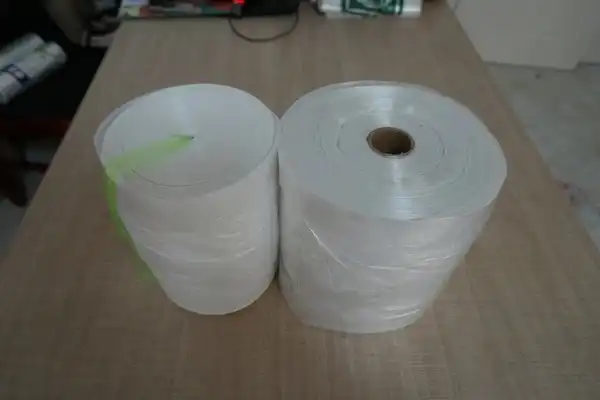
Start With the Application and the Material
Define the Application First
I always begin with the trash stream. Lots of bottles, cans, and mixed packaging put a lot of stress on a bag. Paper and cardboard don't. They are heavy and have sharp edges. There needs to be better leak protection on containers that still have liquid in them. Next, plan where the bag will go. Different places, like schools, workplaces, apartment buildings, stores, and offices, handle bags in different ways. It's stressful to move things by hand, use carts, wait a long time, and have a contractor pick them up. Write these down so you don't buy a bag that isn't strong enough for the route or more glue than you need, which are both expensive mistakes. A short written brief also tells sellers what they need to know to make a good price.
Verify the Plastic Material and Environmental Claims
Polyethylene makes up most of the clear plastic recycling bags that are used for recycling. HDPE film is usually thinner and stronger than LDPE and LLDPE film. Plastics that are mixed together are hard to separate, so it's easier for recyclers to use PE bags that are made of only one material. Just make sure you read the word "recyclable" very carefully. To be 100% reusable, an item must be claimed by at least 60% of people who buy it or live in the area where it is sold, according to the FTC Green Guides. Also, many people choose to drop off their used plastic film at stores instead of in bins outside their homes. If someone says something is biodegradable or compostable, make sure they can back it up with a well-known standard and the way things work in your area.
Match Thickness and Strength to the Load
Thickness is not the end; it's just the beginning. One mil is equal to about 25 microns, which is 0.001 inch. A thin film might work for office paper, but you'll need a stronger film for bottles and cans. Well-known sources, such as ASTM D882 for tensile strength, ASTM D1709 for dart impact, and ASTM D1922 for tear strength, are what I need. It will also depend on the glue, the structure of the film, and the shape of the seal. Ask for a clear load limit as well. It will cost you money to fix the bag if the seam breaks. No two of our PE bags are the same. They can hold 10 to 15 kg, which is enough for many everyday business tasks.
Check Fit, Closure, and Bag Type
Confirm Dimensions and Bin Compatibility
Labels that say "gallon" may not tell you the whole story because every bag is different in size, shape, and gusset. You should measure the bin's height, opening width, base, and rim style, then add the gap to get the right size. Most commercial sizes are between 20 and 55 gallons. The price should match the exact width, length, and opening of the bag. The bag should not be too small or too large. If it is too small, it will leak and get lost in the trash. From 10 inches wide and 28 inches long to 65 inches wide and 110 inches long, we can make it. It can range from 0.7 kg to 60 kg for a single piece. Make sure that the units and size pairs in your quote are correct, and then test a sample to see how it fits.
Choose the Closure and Bag Format
The design of the closure affects how fast it can be collected, how safe it is to transport, and how much it costs to make. People like drawstring bags at school and work because they are simple to carry and tie. Low-cost flat-top bags work well with dispensers and a lot of work most of the time. It's easier to close temporary lids with tie-handle styles, and star-seal bottoms can make round bins less likely to leak. You should test each closing with the weight you think it can hold, and make sure the hole is big enough to do it quickly. You should also be able to use regular trash cans, carts, dispensers, and compactors with this format. Also, roll packing needs to be looked at again because it slows down the time it takes for staff to switch layers.
Compare Clear Bags With Other Colors and Types
Different types of bags are used for various tasks. People who work can see what's inside clear plastic recycling bags, which makes it easier to do surveys and check for pollution. Blue bags can be used in places that follow color-coded rules, while black bags hide what's inside and can't be inspected. When workers can empty reusable bags and use them again and again, they can use less film. To help the environment, our main stores use PE bags that can be used more than once and are made of a single material. If the bags can be put in the trash and then composted nearby, it only makes sense to use them. You should think about the rules in the area, how people behave, how clean you expect them to be, and your environmental policy when making your choice. Pick before you look at prices, since the prices for each type are different.
Evaluate the Supplier and the True Cost
Assess the Manufacturer and Wholesale Program
If you want to compare clear plastic recycling bags manufacturers and suppliers, don't just look at catalog prices. Check to see where the resin comes from, how consistent the production is, what quality control systems are in place, how much can be made, how much experience the company has with exporting, and how long the lead time is. If you want to give your approval, make sure you have test results, samples, technical specs, and measurement tolerances. Distributors should check the number of cases, how the pallets are set up, the size of the boxes, and how long the stock lasts. If someone wants to buy OEM or private-label goods, they should find out if they can be printed on and about custom sizes, artwork steps, minimum order quantities, and sampling stages. A good provider meets the quality needs of orders placed today and orders placed again next year. How prepared providers are is also shown by how well they answer these questions in writing.
Build a Total-Cost Model
The cost of landing the goods and running the business should both be added to the price of goods that are bought in bulk. It's important to include the cost of the product, shipping, duties, taxes, packaging, storage, labor for handling, failure rates, and new bags. Find out how many bags are in a roll, bundle, box, or lot, and then add up how many are in a month and a year. You should compare suppliers in your area, across the country, and around the world using the same criteria, like wait time, customization, and volume price. You are less likely to get cheap bags that aren't the right size, have weak seals, or are hard to see through if you have a written standard and a test order. Having to fix failed bags takes time and money, so a slightly higher unit price can bring down the price of each successful collection.
Use a Procurement Checklist
A checklist makes sure that the way you compare suppliers is always the same. I use these three groups most of the time:
- Product requirements: Record the type of plastic, the amount of recycled material, the thickness, the size, the capacity, the style of closing, the way the seal is built, the clarity, and the printing needs for the product. Write down what kinds of bins the bag needs to fit into. Everyone should get the same sheet. All of the quotes will then answer the same questions, and no one will get a less strict answer than the others. Write down your goal for the whole year as well.
- Supplier qualification: Make sure you know if the company can produce, if samples are available, if they have quality control, if they have certifications, what the minimum order size is, how cases are packed, how long you have to wait, and how they handle shipping. You can ask the seller how they handle bad batches and demand changes during certain times of the year. Clear answers to these questions show if the supplier can support a long-term plan for supply instead of just one shipment.
- Team priorities: Prices and supply stability are important to purchasing managers, while how well films work is important to package experts, consistency and quality testing teams care about papers, and choice and packing are important to wholesalers. Brand teams look at the printing and how things look. Get input from all the groups before you decide. This way, everyone who works with the bag will be happy with the final choice.
Together, these three groups work together to give you a quote that you can read and compare line by line.
Test, Approve, and Avoid Mistakes
Run a Site Trial Before the Full Order
A spot test is the best way to be sure that industrial clear plastic recycling bags will work. To make sure they work, use real recycling streams, the bins you want to use, your collection tools, and the weight they should be able to hold. Records that leak, tear, cut, stretch, or fail to close; how long they take to install; and how well they remove. If buying, cleaning staff, and building managers all give their thoughts, lab data alone might not be enough to see problems. If something goes wrong, save a picture of it and write down the load where it happened so the supplier can figure out how to fix it. A one- or two-week trial doesn't cost as much as a whole box of bags that don't work.
Set Approval Criteria in Writing
Before production starts, you need to decide on the material, thickness, measurements, tolerances, load requirements, closure design, packing, marking, and checking methods. When the goods arrive, you should agree on how to measure the width, length, and film thickness, as well as what will happen if a batch doesn't meet the requirements. Both of us feel safe when there are written rules for taking things back or getting credit. Make sure you agree to the art and a hard copy before you use private-label printing. It's important that the people who get checks know what the rules are so that the checks they get match what you approved. Also, clear criteria make reorders go faster since the same document is used for each shipment.
Avoid Common Sourcing Mistakes
Most of the time, people mess up because they rate bags too narrowly. Even if the film is clear, that doesn't mean that someone will take it. Size and thickness don't tell you anything about how strong or how well something fits. Buyers also don't think about how the close's design affects workers, trust environmental claims without proof, or place a large order before trying it out. It's easy to fix: check the local rules for getting rid of trash, make sure the film's measurements are correct, make sure it works with trash, ask for proof of claims about being environmentally friendly, and test it in real life. It will save you weeks of work if you do these checks over the course of a few days.
How SYM Supports Bulk Clear Recycling Bag Orders
Product Features
That's right, the PE that our clear plastic recycling bags are made of can be recycled. They can hold 10 to 15 kg and be used over and over. They are used by flagship stores to show that they care about the environment. Single pieces can weigh anywhere from 0.7 kg to 60 kg and are any size from 10 cm wide by 28 cm long to 65 cm wide by 110 cm long. When people buy something, I ask them what size bin they have and how much they are loading so that we can match the right size and weight. The main things we use are HDPE, LDPE, and PP. For both store and building services, we can talk about your printing and packaging needs.
Manufacturing Capability
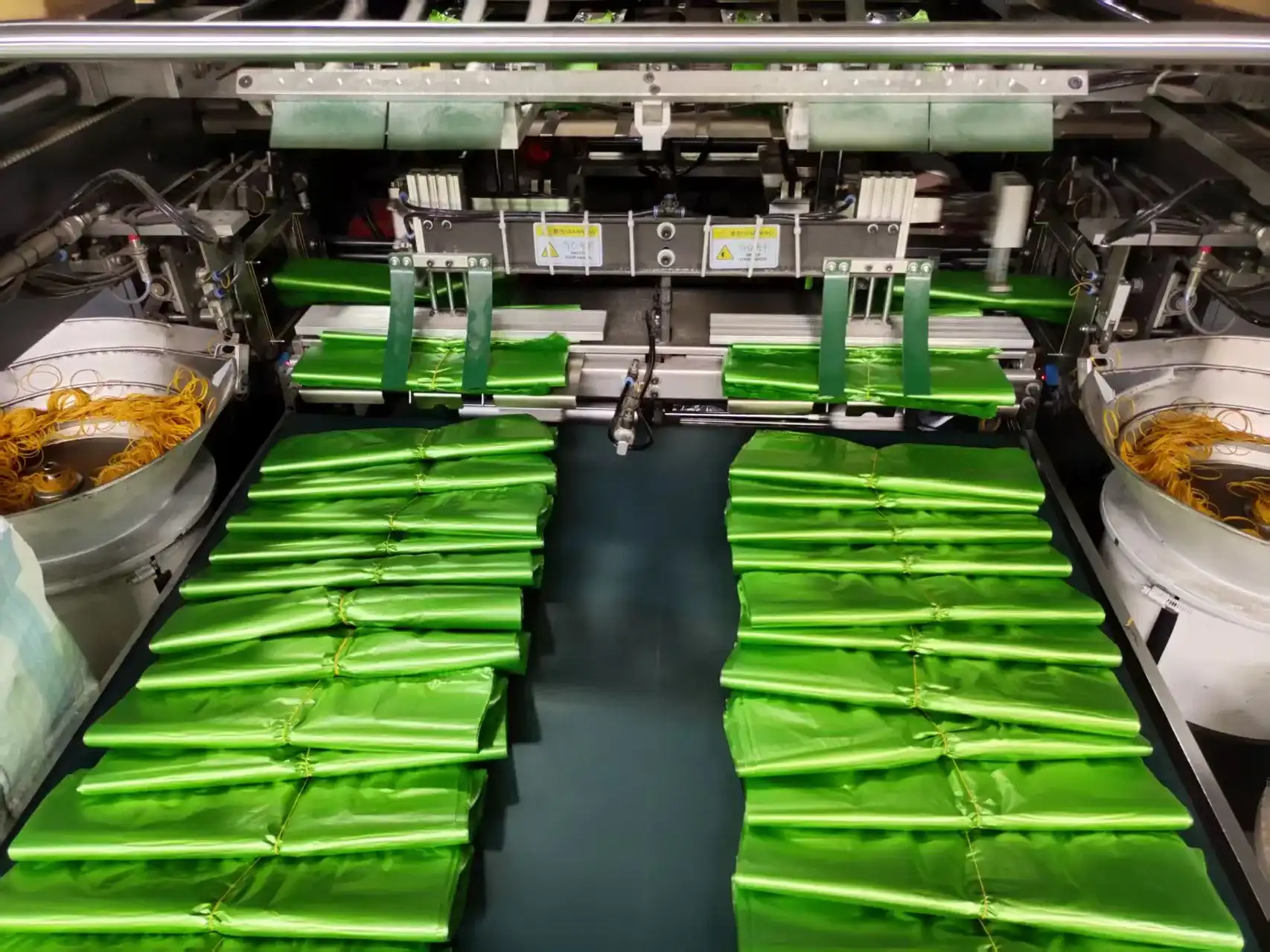
Over 100 people, including over 40 technicians, work in our factory, which is over 8,600 square meters in size. We have both the QS certification and the ISO9002 quality management certification from China. We have computer-controlled high-speed gravure printers, photoelectric correction laminating machines, computer-controlled high-speed bag-making machines, and computer-controlled precision cutting machines. Also, we make flexible packaging with many colors and many layers of co-extrusion. This setup makes printing, sealing, and sizing the same for all orders, which is helpful for people who want to buy a lot every year. People who own brands or distribute goods can look at these skills when they look at a service.
Export Experience and Service
We've been making things for over 20 years and send them to over 40 places in the US, Europe, Australia, Thailand, and Japan. There are different ways to package our goods because they are used for different things like food, medicine, health, retail, home, mail, banks, industry, farm, and more. There is no set time for our customer service in the United States to answer questions about samples, specs, or shipping. They are available 24 hours a day, 7 days a week. When people buy something regularly, they often value the regular touch as much as the things themselves. You can ask the factory about things like specs before you place an order.
Conclusion
People who want to buy bulk clear plastic recycling bags should think about how well they work before they think about price. Finding out the trash stream, checking the resin, and any claims that it can be recovered are the most important things. Also, making sure that the bin and how it will be used fit the width, load capacity, and sizes is also very important. What kind of closure and bag are used determines how much work needs to be done and how well that work is done. If you look at the whole cost, you can see that failure rates, freight, and cleanup are just as important as unit price. When suppliers are checked, written specifications are used, and a site trial is held, it's less likely that weak seals, wrong sizes, and environmental claims that can't be backed up will happen. All of these steps can be agreed upon by the buying, engineering, quality, and operations teams before they sign off on a bag and place another order.
FAQ
Do all recyclers accept clear plastic recycling bags?
No, the local government, sites that collect materials, and processors further down the line are the ones who decide if it is acceptable to use clear plastic recycling bags. Most of the time, people drop off plastic film at stores instead of at bins outside their homes. Talk to your driver about the rules in your area before you place your order.
How do I choose the right film strength?
Put the film on top of what's inside. Cans and glass need more strength than paper. Then, test a sample in real life to see how strong it is against tensile force, dart impact, and tear, as well as how much weight it can hold.
Why compare dimensions instead of gallon labels?
Labels for gallon sizes are different for different bag shapes, gusset styles, and ways to measure. Check the bag's width, length, and flap to see if it fits your bin. This will be shown by a fit test on a sample.
What should I request before a bulk order?
When you ask for private-label work, you should get information about the resin, samples, technical specs, case numbers, price, wait time, how to handle flaws, and printed copies. When providers answer in writing, it's easy to compare them.
Request a Clear Recycling Bag Specification and Bulk Quote from SYM
People who want to buy clear plastic recycling bags from a dependable company can get in touch with SYM. Get in touch with jinlidasuliao@zohomail.cn with your bin's size, expected volume, load, closing style, and goal lead time. We'll get back to you with a quote, samples, and technical details. We have customer service 24 hours a day, have been making things for more than 20 years, and send them to more than 40 countries, so your plan will work. Visit jldplastic.com to find out more.
References
1. Federal Trade Commission, Guides for the Use of Environmental Marketing Claims (Green Guides), 2012.
2. ASTM International, ASTM D1709 Standard Test Methods for Impact Resistance of Plastic Film by the Free-Falling Dart Method, 2016.
3. ASTM International, ASTM D1922 Standard Test Method for Propagation Tear Resistance of Plastic Film and Thin Sheeting by Pendulum Method, 2015.
4. ASTM International, ASTM D882 Standard Test Method for Tensile Properties of Thin Plastic Sheeting, 2018.
5. Association of Plastic Recyclers, APR Design Guide for Plastics Recyclability, 2023.
6. U.S. Environmental Protection Agency, Recycling Basics, 2023.

Send Inquiry
You may like