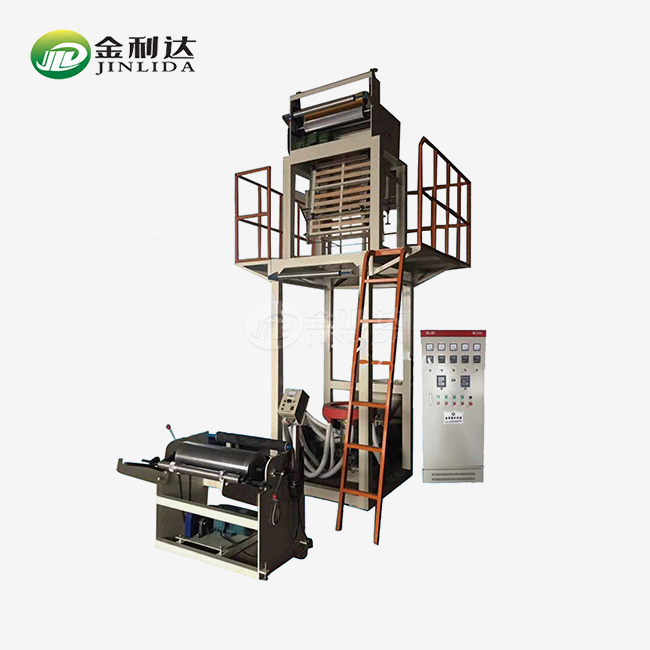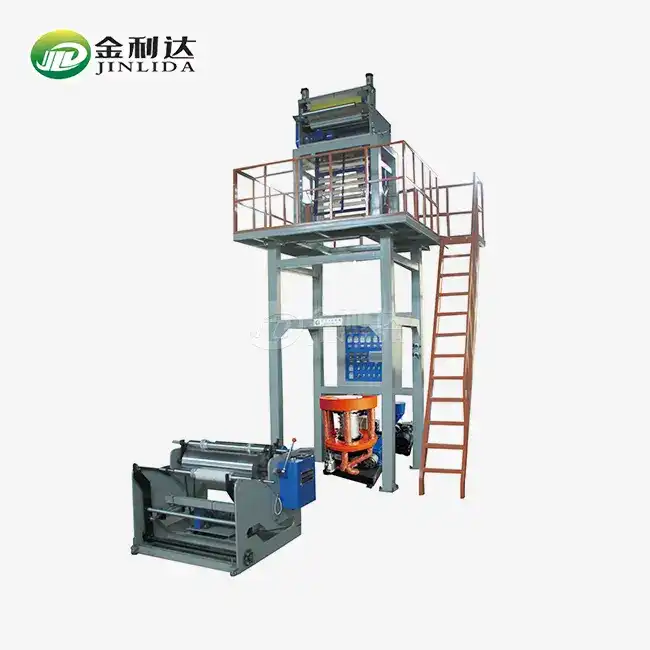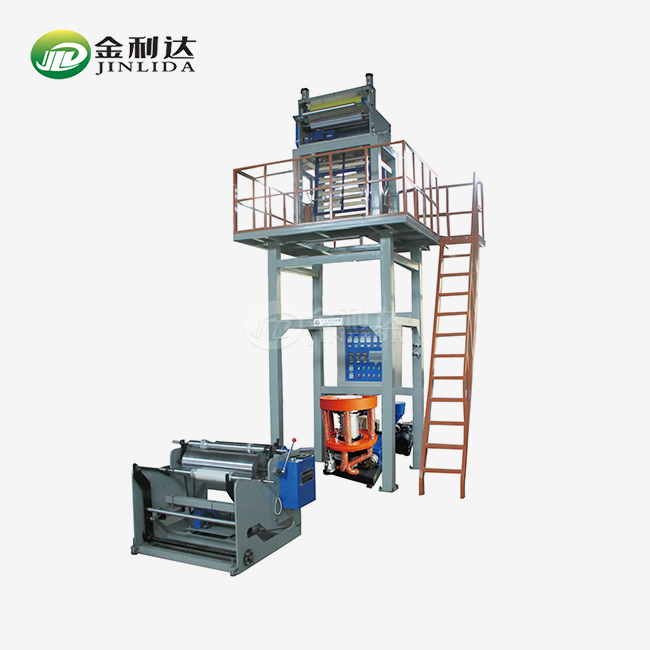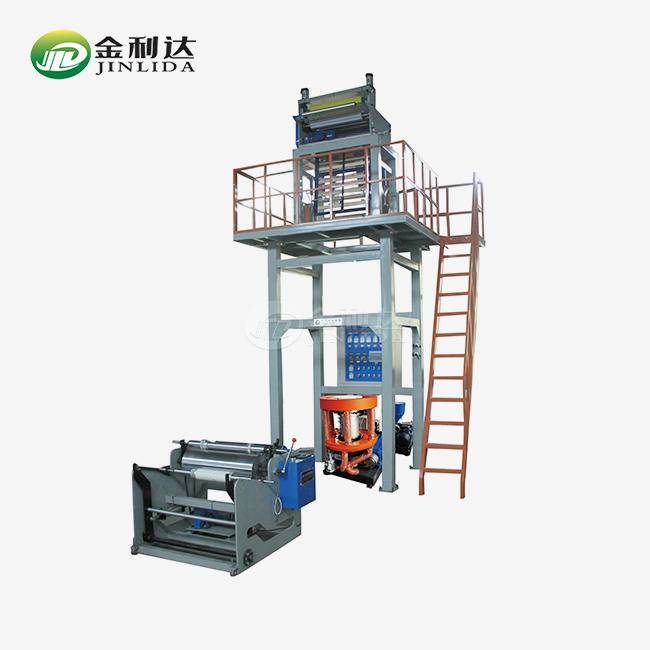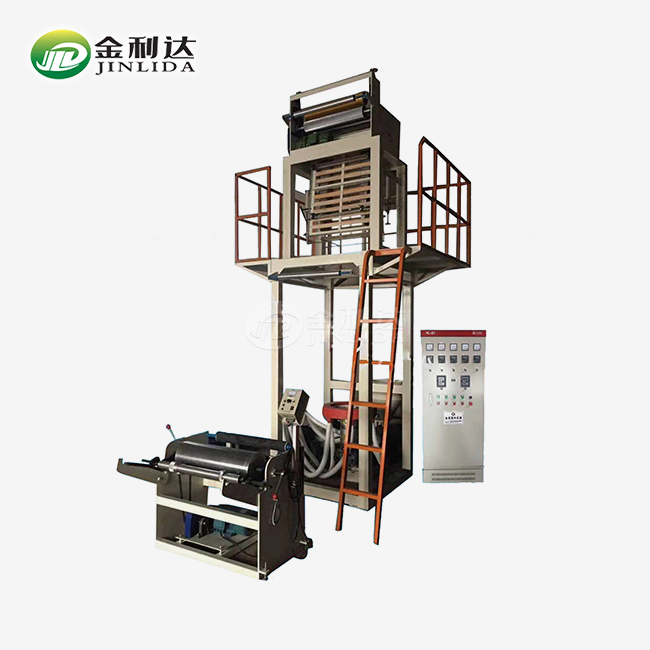
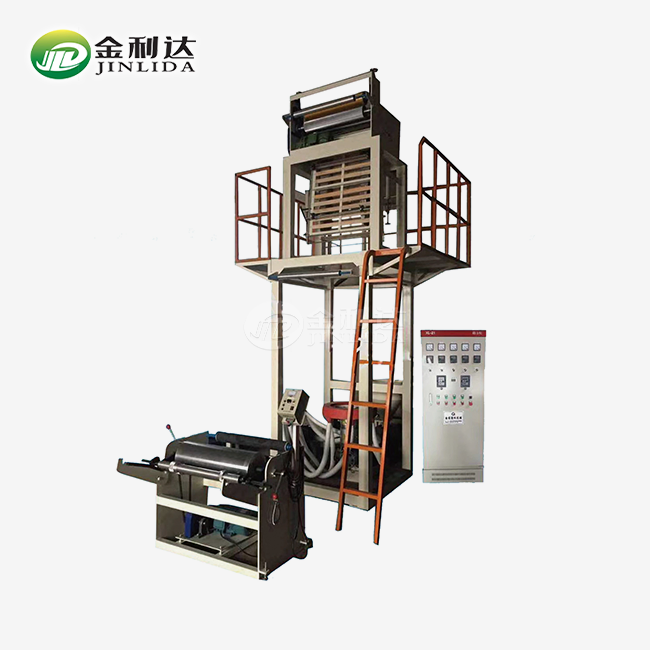
low pressure film blowing machine

- Fast Delievery
- Quality Assurance
- 24/7 Customer Service
Product Introduction
Low Pressure Film Blowing Machine - High-Performance HDPE Film Production Line
Our low pressure film blowing machine conveys remarkable execution with yields up to 300kg/h and multi-stage temperature control. Designed particularly for High-Density Polyethylene preparing, this machine highlights a 28:1–30:1 L/D proportion screw framework and produces movies from 0.03–0.10mm thickness with extraordinary pliable quality. With over 30 a long time of industry mastery, Rizhao Jinlida gives enterprise-grade arrangements for creating vest sacks, messenger sacks, and heavy-duty bundling movies that meet worldwide quality standards.
What Is a Low Pressure Film Blowing Machine?
This specialized mechanical expulsion line is particularly planned for handling HDPE tars. The term "low pressure" alludes to the polymerization beginning of HDPE materials, not the working pressure.
Your machine handles tall soften consistency materials proficiently. It highlights a high-torque engine and specialized screw plan that understands basic generation challenges. You'll involvement reliable gage control indeed in ultra-thin film production.
The gear produces movies as lean as 0.03mm whereas keeping up uncommon solidness. Exact temperature control frameworks and high-speed discuss rings guarantee uniform film quality all through generation runs.
Key Applications You Can Serve
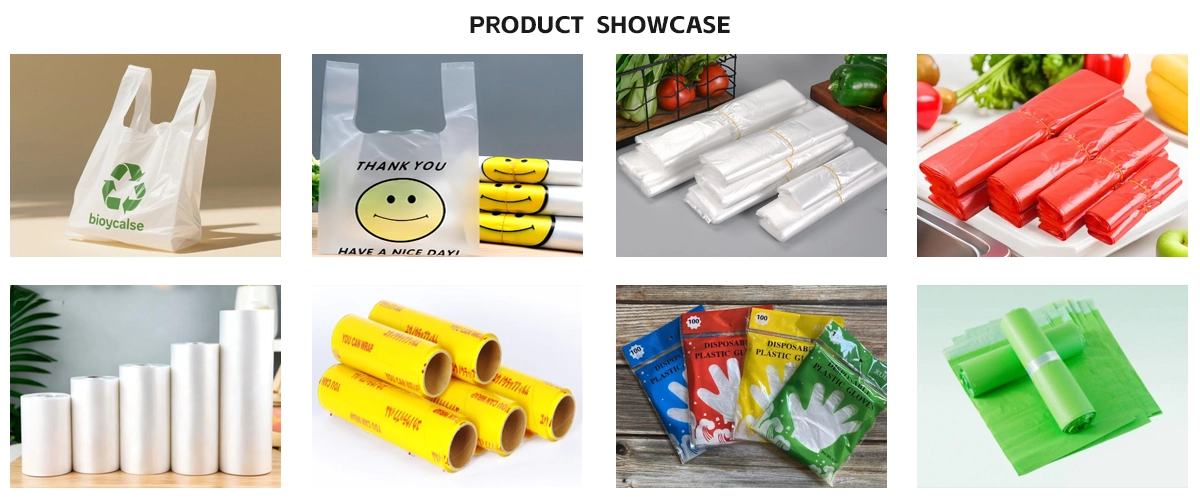
Retail and Disposable Packaging
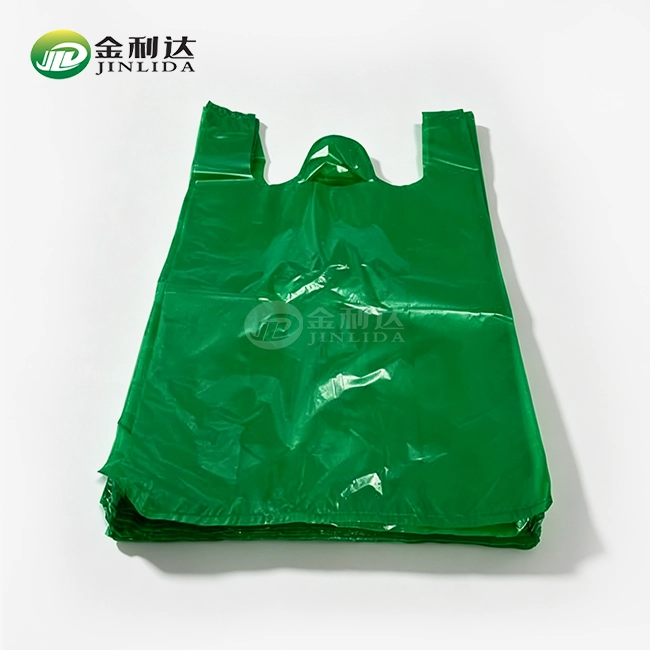
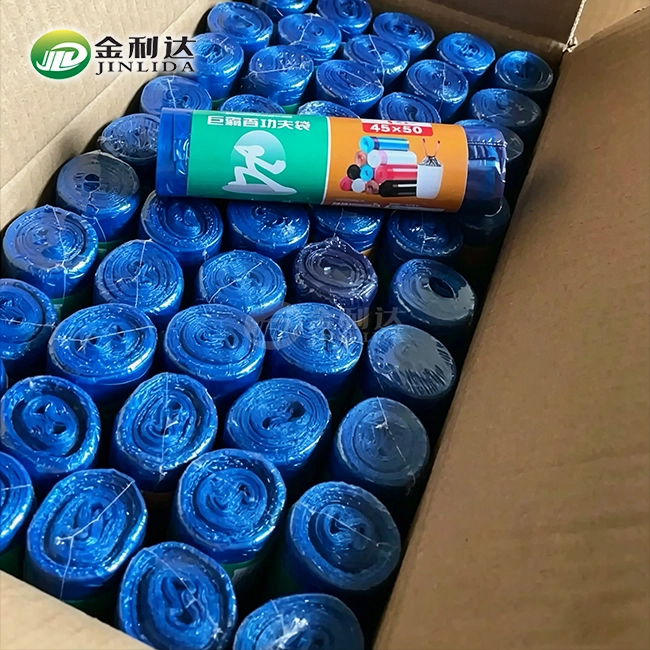
Your low pressure film blowing machine exceeds expectations at creating T-shirt packs and grocery store shopping packs. The coming about movies highlight the characteristic solidness and crease surface that makes sacks simple to open. This is culminate for retail situations where client comfort matters.
Industrial Heavy-Duty Solutions
You can fabricate high-strength liners for chemical drums and development squander sacks. These applications request predominant cut resistance and load-bearing capacity extending from 8-50kg. Your movies will keep up basic keenness indeed in unforgiving mechanical environments.
Agricultural and Institutional Applications
Produce thin-gauge mulch movies and regulation rubbish sacks with certainty. In spite of their negligible thickness, these movies provide the auxiliary astuteness required for requesting rural and restorative squander applications.
Technical Specifications
| Parameter | Specification |
|---|---|
| Screw Diameter | 40/45/50/55/65/75/80/90/100mm (50/55/65mm most common) |
| Length-to-Diameter Ratio | 28:1 / 30:1 (30:1 standard for HDPE) |
| Screw Speed | 10–120 r/min |
| Main Motor Power | 7.5kW (40mm) to 75kW (75mm+) |
| Heating Zones | 4–6 stages |
| Heating Power | 12–40kW (varies with screw size) |
| Processing Temperature | 160–190℃ (HDPE optimized) |
| Maximum Film Width (Lay-flat) | 600/800/1000/1200/1500/2000mm |
| Film Thickness Range | 0.03–0.10mm (30–100μm) |
| Output Capacity | 25–300kg/h |
| Die Diameter | 60–200mm |
| Blow-up Ratio | 1:3–1:6 |
| Winding Diameter | ≤1000mm |
| Machine Dimensions | 4–8m (L) × 1.8–3m (W) × 4–6m (H) |
| Machine Weight | 2–6 tons |
Why Choose Our Manufacturing Solution?
Proven Industry Experience
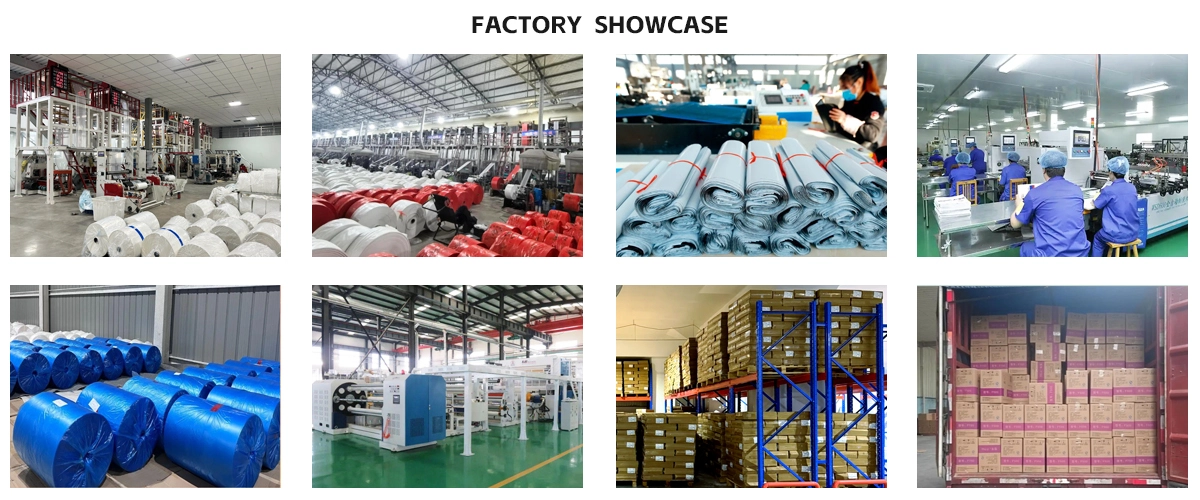
With over 30 years in flexible plastic packaging, our team understands your production challenges. We've equipped facilities across 40+ countries with reliable extrusion solutions.
Advanced Technical Features
Your machine includes a 38CrMoAlA alloy bimetallic screw designed for optimal plastification. The high-precision spiral mandrel die head eliminates flow lines and melt fractures that compromise film quality.
You'll benefit from high-speed production capabilities and low-energy ceramic heating systems. The rotating die system ensures superior roll flatness with thickness tolerances within ±5%.
Complete Production Support
Our 8,600㎡ manufacturing facility backs your investment with responsive technical support. You'll receive 24-hour assistance for production follow-up and troubleshooting.
Quality Control Standards
We implement rigorous inspection protocols to ensure your equipment delivers consistent results:
Screw and Barrel Testing: Hardness verification (HRC 60+) prevents premature wear from HDPE additives and ensures long-term durability.
Die Head Precision: Flow simulation and physical gauge testing confirm uniform melt distribution across the die gap. This eliminates thickness variations before they affect your production.
Bubble Stability Analysis: Testing at maximum speeds validates cooling efficiency. Your air ring system will maintain stable bubble geometry even during high-speed operation.
Film Quality Validation: We conduct dart impact testing (ASTM D1709) and tensile strength tests (ASTM D882) to verify final product quality.
Reliability Testing: 48-hour continuous running tests confirm motor temperature stability and electronic component performance under full load conditions.
Frequently Asked Questions
Q1: Why is my machine producing film with uneven thickness?
This typically indicates an unbalanced air ring or contaminated die gap. Regular cleaning and precise centering of the die will restore uniform thickness. Check that your cooling air distribution is symmetrical around the bubble.
Q2: Can this equipment process biodegradable materials?
Yes, with modified screw design and adjusted temperature profiles. Modern HDPE machines can process PLA/PBAT blends for eco-friendly applications. Contact our technical team for specific configuration recommendations.
Q3: How do I eliminate crystal points in my film?
Increase back pressure by adding more filter meshes in your screen changer. Also verify that your feed zone temperature isn't too low, which causes incomplete melting. Proper filtration removes contamination before it reaches the die.
Q4: What's the advantage of a rotating die head versus rotating haul-off?
A rotating die head is simpler for HDPE processing. It distributes thickness variations evenly across the roll, preventing concentrated "high spots" that create quality issues during converting operations.
Q5: How often should I operate the screen changer?
Frequency depends on material purity. Using a continuous hydraulic screen changer minimizes downtime and maintains consistent melt pressure. For recycled content, you may need to change screens every 4-6 hours.
Get Started Today
Our low pressure film blowing machine's team is here to discuss your specific requirements and recommend the optimal configuration for your applications.
Contact us at 18663311788@139.com
Send Inquiry