Complete Guide to the Proper Use of Plastic PE Gloves
May 21, 2026
Plastic PE gloves are one of the most cost-effective and compelling ways to keep your hands clean in the working environment nowadays. These expendable shields, which are made from either high-density or low-density polyethylene, are essential for ensuring surfaces in nourishment benefit, light cleaning, and individual care. They are broadly utilized since they are reasonable, secure, and can be utilized for a assortment of purposes. This meets vital needs for defilement security without making businesses spend a parcel of cash on operations.
Understanding Plastic PE Gloves: Definitions and Key Features
Polyethylene Gloves: What Are They?
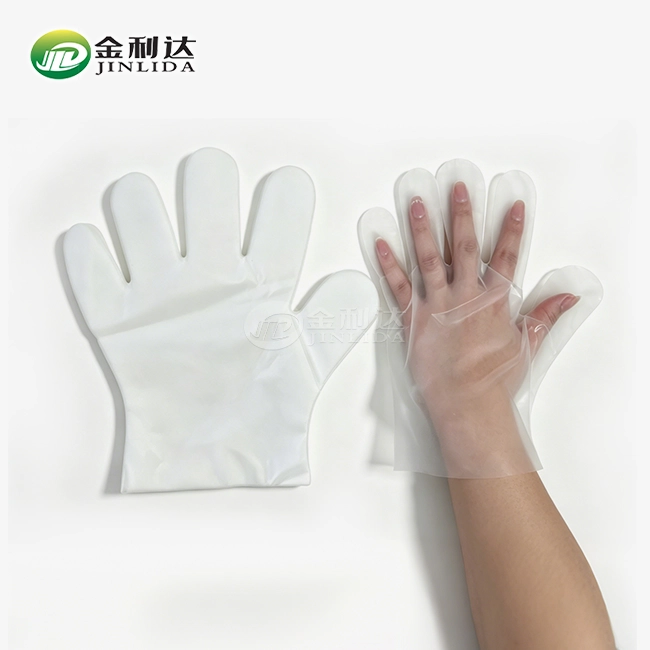
A special kind of disposable hand protection made from ethylene polymers and an automatic heat-pressing process is called polyethylene gloves. These thin shields are made to stop cross-contamination in places where gloves need to be changed often. Polyethylene choices don't cause allergies at all, unlike latex or nitrile alternatives, because they don't have any natural rubber proteins or chemical accelerators that cause hypersensitivity reactions. Film-blowing technology is used in the production process to make sure that the thickness is spread out evenly. This makes sure that every unit has the same level of protection.
Material Composition and Manufacturing Excellence
High-density polyethylene (HDPE), which has a higher tensile strength than low-density versions, is the main material used to make good throwaway gloves. The raised, non-slip surface makes it easier to hold on to wet or sticky materials, which is a common problem in food preparation and light industrial work. These gloves are safe and non-toxic because they are made according to standards set by the FDA (21 CFR 177.1520) for direct food handling. The mild stretch properties make it possible for hands of different sizes to fit while keeping the barrier's integrity during use.
Size Specifications and Packaging Standards
Professional-grade polyethylene gloves come in four basic sizes to meet the needs of a wide range of workers. The small sizes are 23 to 25 cm long, the medium sizes are 24 to 26 cm long, the large sizes are 25 to 27 cm long, and the extra-large sizes are 26 to 28 cm long. The width range of 0.6 to 0.8 microns (6 to 8 microns) is the best compromise between being able to feel things and being strong enough to protect against damage. Standard packaging includes 100 gloves per box, which makes it easier to keep track of supplies and makes sure that gloves are easy to get to during busy times.
Core Advantages for Industrial Applications
When working with seafood, vegetables, or other items that are wet, the embossed texture makes them much easier to handle. Because these gloves are chemically resistant to weak acids and bases, they can be used for hair dyeing and light cleaning with mild soaps. The fact that they are disposable supports strict cleanliness rules because they don't cross-contaminate like reusable gloves do. Because polyethylene options are affordable, businesses can start full hand hygiene programs without breaking the bank. This is especially helpful for food service companies that need to change gloves often to stay HACCP compliant.
Plastic PE Gloves vs Other Glove Materials: Making the Right Choice
Material Comparison: PE Versus Alternative Options
When procurement workers look at hand protection options, they need to know the most important differences. Polyethylene gloves are very different from PVC gloves in terms of both what they are made of and what they can be used for. Polyvinyl chloride paste resin is mixed with stabilizers, plasticizers, and other chemicals to make PVC gloves. These plastic PE gloves are softer and more flexible, making them perfect for heavy-duty industrial jobs. Polyethylene goods, on the other hand, use thermoplastic polymers made from ethylene monomers to make lighter barriers that work best in light-duty situations where they need to be changed often.
Performance Characteristics Across Material Types
Nitrile gloves are better for healthcare settings and heavy industry settings because they are more resistant to punctures and chemicals. Latex is very flexible and sensitive to touch, but it can cause allergies, which is why many groups try to avoid using it. Polyethylene gloves are better than vinyl gloves because they don't contain latex, but vinyl gloves cost more and offer the same amount of protection for light-duty tasks. Polyethylene is the most cost-effective material for situations where people need to put on and take off clothes quickly without being exposed to sharp items or harsh chemicals.
Cost-Value Analysis for Procurement Decisions
It's important to think about your budget when choosing protection gear, especially for jobs that need hundreds of glove changes every day. Polyethylene choices have the lowest cost per unit of all disposable options. This means that businesses can keep up with strict hygiene standards without spending too much. This cost-saving benefit is especially clear in food service settings where gloves need to be changed between handling different products or after an accident that could have contaminated them. Because of the difference in cost, businesses can put their resources toward other important tasks while still following all safety rules.
Regulatory Compliance and Industry Standards
Depending on the purpose, different glove materials have different approval needs. For applications that come into touch with food, the FDA has strict rules that must be followed, which quality polyethylene products easily do. Modern polyethylene gloves don't have any powder added to them, so there are no worries about residue exposure in food processing areas. This powder-free design also helps keep factories cleaner in businesses that need to keep particulate contamination to a minimum, like electronics assembly.
Proper Use and Safety Standards for Plastic PE Gloves
Certification Requirements and Quality Assurance
Manufacturers with a good reputation make sure that their plastic gloves meet international quality management standards. For example, they get ISO 9001 certification to make sure that their production processes are always the same. For food-grade applications, you have to follow the FDA's rules about materials that will come into close contact with food. These certifications give procurement teams faith that products meet safety standards and will work well in the situations they are meant for. As part of quality assurance, tensile strength, stretch properties, and barrier integrity are tested on a regular basis to make sure that products always work the same way.
Proper Wearing Techniques and Usage Guidelines
To use gloves effectively, you must first choose the right size to make sure you have enough covering without too much material bunching up. Before putting on gloves, users should check them for any flaws or damage that could make them less protective. Polyethylene gloves are easy to put on quickly because they don't fit too tightly, but users should make sure that all of their fingers are covered before starting work. These gloves are best for short-term tasks because long-term use may cause sweat to build up, which makes them less comfortable and less effective at gripping.
Thickness Selection for Specific Applications
The thickness range of 0.6 to 0.8 mm is good for most light-duty uses, giving enough shield protection while keeping costs low. This thickness is good enough for food handlers who are making seafood or working with fruits and vegetables to keep them from getting contaminated during normal operations. When dyeing hair, the mild barrier keeps the skin from getting stained while still letting you work with the product easily. Light cleaning jobs with liquids that don't corrode are still well within the protective range of standard-thickness polyethylene gloves.
Disposal Protocols and Environmental Considerations
Responsible disposal methods help with both keeping the workplace clean and taking care of the earth. To take off used gloves, grab the cuff and pull it down, which will turn the glove inside out and cover any dirt on the surface. Putting trash in the right bins keeps you from touching dirty surfaces by mistake. Polyethylene is better for the environment than some other materials because it can be recycled. However, dirty plastic PE gloves from handling food usually need to be thrown away as trash instead of being recycled. New biodegradable polyethylene choices that break down faster in landfills can be looked at by organizations that care about the environment.
Procurement Strategies for Plastic PE Gloves in B2B Markets
Supplier Evaluation and Quality Verification
To find reliable manufacturing partners, you need to carefully check their production skills, quality control systems, and compliance certifications. Manufacturers that have been around for a while and have ISO 9001 certification show that they are committed to managing quality consistently throughout all stages of production. Facilities with high-speed production equipment that is run by computers make more uniform products than those that use old-fashioned ways of making things. Before committing to big orders, procurement teams should ask potential suppliers for samples of the products to see how well they actually work.
Bulk Purchasing Advantages and Inventory Management
By buying in bulk, you can save a lot of money on each item and make sure you always have enough for your business. Standard packaging of 100 gloves per box makes it easier to keep track of supplies and restock. Long-term relationships with suppliers that ensure consistent pricing and priority fulfillment during times of high demand are good for businesses that know how much they will be buying. Choosing the right order number should take warehouse space into account, weighing volume discounts against storage space and product shelf life.
Customization Opportunities for Brand Differentiation
Standard clear plastic gloves are good for most tasks, but businesses can make their brands stand out or use color-coding to make operations run more smoothly by customizing the gloves. Because custom printing is possible, company branding or safety messages can be printed directly on packaging. Some companies that make goods let distributors sell their goods under their own brand names through private label schemes. Most of the time, these customization services have minimum order quantities that mean they work best for bigger businesses or distribution companies that have a lot of clients.
OEM and Partnership Models
Original equipment manufacturer relationships give companies that want custom specifications on top of standard product offerings a way to get them. Companies with specific needs can work with makers to create different thickness profiles, size variations, or custom embossing patterns. In exchange for better prices and dedicated production space, long-term partnership agreements often include promises to produce a certain amount of goods. These kinds of partnerships work especially well for big businesses that prepare food, run retail chains, or do a lot of deliveries and need a lot of gloves all the time.
Maximizing Value: Practical Tips to Optimize Use and Procurement
Application-Specific Best Practices
Food service businesses get the most out of their gloves by teaching their staff how to use them properly. Changing gloves when working with raw meats and ready-to-eat foods stops cross-contamination and improves consumption. Selecting the right sizes for the people who work in hair shops is helpful because it improves both safety and customer service. Cleaning operations should choose gloves based on how hard the job is. For example, plastic gloves should only be used for light-duty tasks, while more durable gloves should be used for chemical exposure.
Cost Management Without Compromising Safety
Strategic procurement aligns product specifications with real operational needs to find a balance between budget constraints and protective performance. Operations that only need basic barrier security don't have to spend a lot of money on more advanced options that can do more than they need. Tracking patterns of usage helps make more accurate predictions and avoids both running out of stock and building up too much inventory. When you negotiate annual supply agreements with volume commitments, you can often get better prices and be sure that the product will be available during the contract time.
Future Trends in Sustainable Hand Protection
Environmental awareness is becoming more and more important in all fields when it comes to buying things. A new type of polyethylene formulations called biodegradable polyethylene formulations keep their usefulness while providing better end-of-life properties. Some makers now make gloves with plant-based additives that break down faster in composting conditions. Companies that want to be more environmentally friendly will like these new ideas, but procurement teams need to make sure that environmental claims are based on real changes and not just marketing spin.
Operational Integration for Maximum Efficiency
Glove programs that work include more than just choosing the right products. They also make sure that the plastic PE gloves are stored correctly, are easy to get to, and train staff. Putting dispensers in smart places in areas where food is being prepared or where cleaning is being done encourages regular use. Regular training reinforces the right way to put on gloves and tells workers when they need to change their gloves. Monitoring consumption rates can help find training gaps where too much use could mean that people don't understand the right situations to use an app.
Conclusion
It is exceptionally cheap and simple to keep your hands clean when you require to utilize polyethylene gloves for assignments like nourishment benefit, light cleaning, and individual care. Since they do not contain latex, there are no stresses almost sensitivities, and the decorated HDPE development makes them solid as a obstruction and moves forward their hold. Vital acquirement looks at the properties of materials, how well they take after controls, and how dependable providers are to make beyond any doubt that the quality of the items continuously meets down to earth needs. Knowing the right way to utilize defensive adapt and appropriately arrange of it makes a difference exercises run in a way that is great for the environment. As long as mechanical advancements keep making biodegradable materials way better and making generation more effective, polyethylene gloves will still be the most cost-effective way to ensure your hands for light-duty, high-frequency assignments.
FAQ
Are polyethylene gloves suitable for medical procedures?
Polyethylene gloves are designed for light-duty applications rather than medical examinations or surgical procedures. Healthcare settings requiring sterile conditions and superior barrier protection should utilize nitrile or latex examination gloves that meet ASTM medical standards. Polyethylene options may serve non-patient care activities like food service in healthcare facilities or housekeeping tasks not involving exposure to bodily fluids.
What thickness specification works best for food handling operations?
The standard 0.6-0.8 丝 (6-8 micron) thickness provides adequate protection for most food preparation tasks, including handling seafood, produce, and baked goods. This specification balances barrier integrity with cost efficiency and tactile sensitivity. Operations involving sharper objects or extended wear periods may require thicker alternatives, though such applications often exceed the designed use parameters for polyethylene products.
How do polyethylene gloves impact environmental sustainability?
Standard polyethylene is recyclable, though contaminated gloves from food handling typically require general waste disposal. The material's simplified composition results in cleaner incineration compared to PVC alternatives. Emerging biodegradable polyethylene formulations offer improved environmental profiles by incorporating additives that facilitate decomposition, appealing to organizations prioritizing sustainability alongside functional performance and cost considerations.
Partner With Sym for Your Plastic PE Gloves Supply Needs
Sym, operating through Rizhao Jinlida Plastic Co., Ltd., delivers premium polyethylene hand protection solutions backed by comprehensive manufacturing capabilities and international quality certifications. Our HDPE gloves feature optimized embossed surfaces, precise thickness control, and complete FDA compliance for food-contact applications. With over 8,600 square meters of advanced production facilities equipped with computer-controlled manufacturing systems, we ensure consistent product quality across every order. Our portfolio serves food processors, retail chains, agricultural operations, and distribution partners across more than 40 countries. Whether you need standard packaging or customized solutions, our team provides responsive support throughout the procurement process. Connect with us at 18663311788@139.com to discuss your plastic PE gloves supplier requirements and discover how our cost-effective products enhance your operational hygiene standards. Visit jinlida.aixdb.cn to explore our complete range of flexible packaging solutions designed for modern B2B procurement needs.
References
1. Smith, J.R., & Anderson, K.L. (2021). Industrial Hand Protection: Material Science and Application Guidelines. Journal of Occupational Safety Standards, 34(2), 145-162.
2. U.S. Food and Drug Administration. (2020). Code of Federal Regulations Title 21: Food Contact Materials and Safety Compliance. Washington, D.C.: Government Printing Office.
3. Chen, W., & Roberts, M. (2022). Comparative Analysis of Disposable Glove Materials in Food Service Environments. International Food Safety Journal, 18(4), 287-301.
4. European Committee for Standardization. (2019). Personal Protective Equipment: Performance Requirements and Testing Methods for Disposable Gloves. Brussels: CEN Publications.
5. Thompson, R.D. (2023). Cost-Benefit Analysis of Hand Protection Solutions in High-Volume Operations. Supply Chain Management Review, 27(1), 56-73.
6. Zhang, L., & Kumar, P. (2022). Sustainable Materials in Disposable Protective Equipment: Current Trends and Future Directions. Environmental Packaging Research, 15(3), 412-429.