What Materials are Vest Plastic Bags Made Of?
May 21, 2026
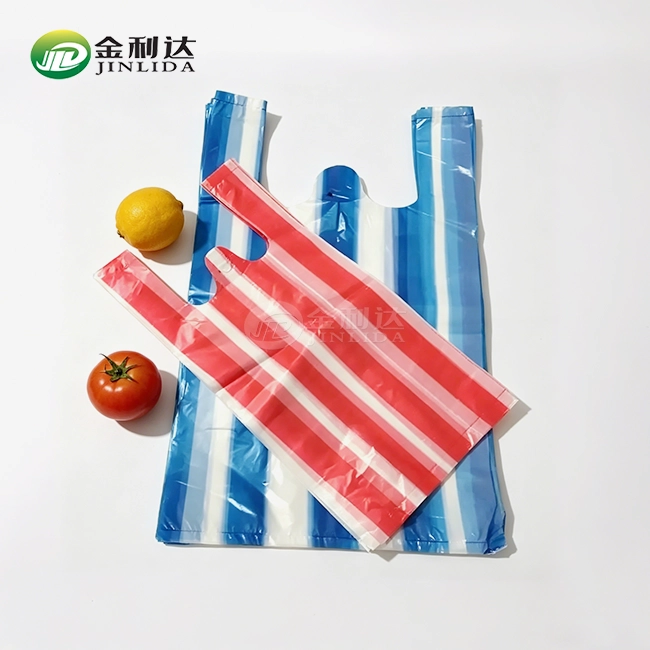
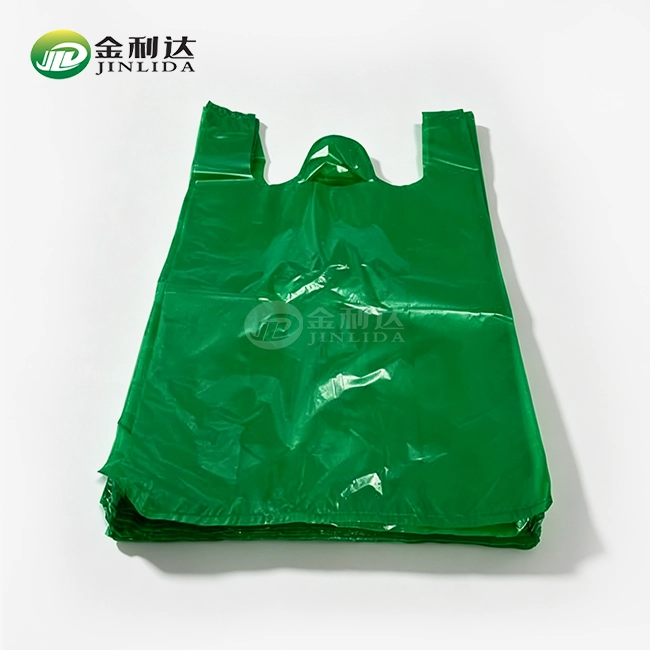
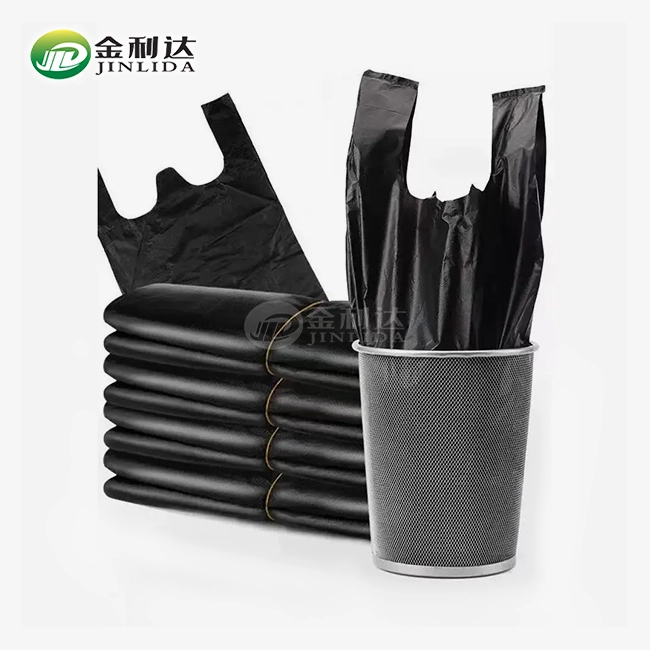
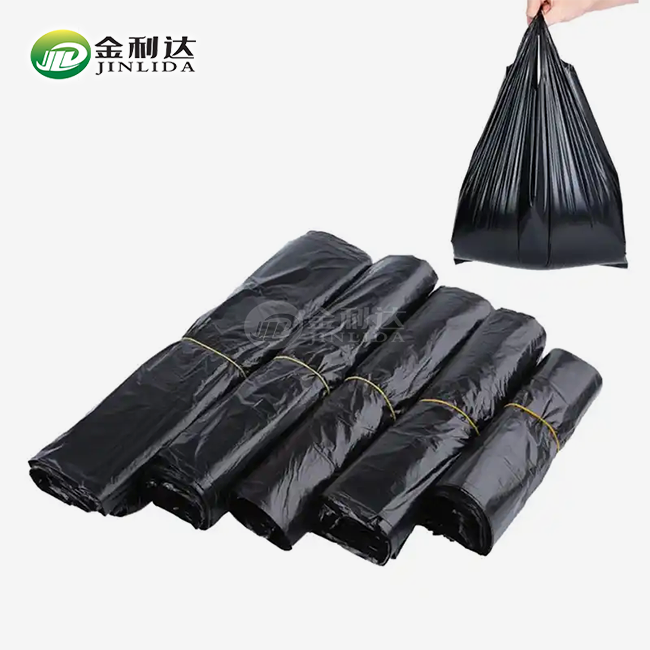
Vest plastic bags, which are sometimes called T-shirt bags because of the way their handles are shaped, are mostly made from High-Density Polyethylene (HDPE), a material that is very stiff and tough. This choice of material and the combined handle design make sure that the weight is spread out evenly. This lets these carriers hold heavy loads and make a distinctive crinkling sound when they are handled. Modern production uses precision printing, film blowing, and heat sealing to make bags that meet regulatory standards, which usually mean having a single-side thickness of at least 0.025 mm. They are commonly found in grocery stores, farmers' markets, convenience stores, and for picking up trash from homes. Biodegradable versions are becoming more popular because they are both useful and good for the environment.
Understanding Vest Plastic Bags: Composition and Characteristics
Core Material: High-Density Polyethylene (HDPE)
A molecular density of 0.941 to 0.965 g/cm³ describes HDPE, which is the main material that vest carry bags are made of. This density gives the material amazing stiffness and heat deflection qualities, so it can stay structurally sound at temperatures up to 120°C for short periods of time. The crystalline structure of the polymer makes a stiff film that doesn't stretch when it's under pressure. This makes it perfect for retail uses where it has to work consistently when it's under stress. Manufacturers like HDPE because it doesn't let moisture and gases through easily. This keeps the goods safe from outside influences while it's being shipped and stored.
Alternative Materials: LDPE and LLDPE
The most common type of polyethylene used to make vest bags is HDPE. Other types, like LDPE and LLDPE, are used for specific tasks. LDPE is more flexible and feels softer to the touch, which means it makes less noise when it's handled, which is helpful in high-end stores where the customer experience is important. The strength of HDPE and the elongation qualities of LDPE have been combined to make LLDPE. LLDPE bags are more resistant to punctures and can stretch up to 300–500% before breaking. This helps them handle shock loads and keep them from breaking completely when carrying things with sharp edges.
Physical and Mechanical Properties
Professional-grade vest holders have a tensile break strength of 20 to 30 MPa in the machine direction, which means they won't tear vertically when they're being used. The film's ability to resist punctures from sharp objects is measured by its dart impact strength according to ASTM D1709 guidelines. This is an important factor for food sellers who handle packages with corners that stick out. The gusseted design with expandable side folds greatly increases the bag's volumetric capacity without making it bigger in two dimensions. This solves the problem of how to store large amounts of items in small dispensing systems at checkout stations.
Material Comparison: Vest Bags versus Standard T-Shirt Bags
Vest bags and T-shirt bags are often used interchangeably, but procurement workers know there are small differences between the two. Single-layer HDPE films are often used in traditional T-shirt bags because they are the most cost-effective. However, modern vest carriers may use multi-layer co-extrusions that combine HDPE outer layers with LLDPE cores. This laminate structure makes the bag stiffer and more resistant to punctures, which is important for food stores where bags that fail often lose goods and make customers unhappy. Corona discharge treatment raises the surface tension above 38 dynes/cm, which makes it possible for ink to stick well for branding and legal printing.
Production Process and Material Selection Criteria
Blown Film Extrusion Process
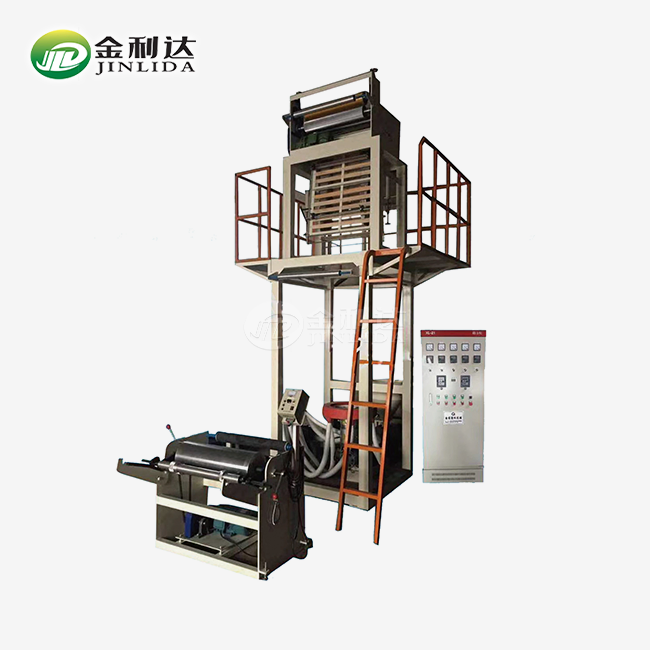
The first step in making vest plastic bag is blown film extrusion, which melts polymer pellets at temperatures between 180°C and 220°C and forces them through a circular die. The melted tube expands into a thin-walled bubble when compressed air flows through it. As it cools, the bubble falls apart into a flat film that goes on forever. This process orientation lines up molecules in both the machine direction and the crosswise direction, which equalizes the strength properties. Ultrasonic gauges are used by computer-controlled systems to check the consistency of the film's thickness. Tolerances are kept within ±5% across the film web, which is important for making sure that the bags work the same way in all production runs.
Printing and Converting Operations
Brand images, legal text, and color coding are printed on the film surface by high-speed gravure printers. Photoelectric adjustment systems make sure that all of the color stations are perfectly aligned so that the quality of the images is not affected. The printed film moves on to computer-controlled machines that make bags. These machines have precise cutting knives and heat-sealing bars. These machines cut the film to the right size, use thermal fusion to make bottom seals, and a mix of die-cutting and heat-forming to make the vest handles that are so unique. Modern factories can make more than 200 bags per minute and keep the seal strength above 15 N/15 mm, which is proven by ASTM F88 testing standards.
Material Grade Selection Based on Application
Choosing which polymer type to buy depends on what it will be used for. For applications that come into close contact with food, virgin resin formulations must meet the standards set by FDA 21 CFR 177.1520 or EU Regulation No 10/2011. These grades don't include additives that could get into packaged goods, which keeps consumers safe. Post-consumer recycled (PCR) content can be used in industrial settings, which lowers material prices and helps companies reach their sustainability goals. For pharmaceutical and chemical packing, you need special formulations that are more resistant to chemicals. This way, the films don't break down when they come in contact with harsh substances that would break down regular HDPE films.
Thickness and Performance Specifications
The choice of gauge has a direct effect on the load capacity and cost-effectiveness. A 12-micron HDPE carrier can safely hold 5 to 7 kg, which is enough for small groceries and produce. For uses needing 12 kg or more of capacity, 20-micron films are needed, which double the amount of material used but get rid of the problems and brand damage that come with in-store bag failures. Minimum thickness standards—usually 25 microns for single-use carriers—are required by regulations in many places. This forces buyers to buy heavier sizes that meet compliance requirements, which could make the cost per unit go up.
Additives and Performance Modifiers
Masterbatch additives change the qualities of the base polymer to meet specific needs. UV protectors protect bags that are left outside or used in agriculture by stopping photodegradation, which happens when films are exposed to the sun for months at a time. Anti-block agents make it easier for automatic pouring to work in stores with a lot of customers because they lower the adhesion between films. Slip agents lower the coefficient of friction, which makes it easier for full bags to slide across checkout surfaces without getting stuck. Color pigments make things opaque so that content can be kept secret. They also allow color-coded sorting systems, with red bins for dangerous materials, blue bins for recycling, and green bins for compostable waste. This makes it easier to handle trash in institutions.
Eco-Friendly Materials and Environmental Considerations
Biodegradable Polymer Alternatives
Compostable materials like Polylactic Acid (PLA), Polybutylene Adipate Terephthalate (PBAT), and starch-based mixes are becoming more popular because people care about the environment. PLA is made from fermented plant sugars and has clarity similar to polyethylene, but it breaks easily in low-temperature situations. Because PBAT is more flexible and tough than PLA, makers mix these two polymers in ways that make them work best for certain tasks. Starch-blended mixtures use farm waste, which cuts down on the need for oil-based feedstocks and gets them certified as compostable under ASTM D6400 or EN 13432 standards.
Shelf Life and Storage Considerations
Biodegradable bags are hard to handle in a special way. When kept in a cool, dry place away from UV light and water, PLA/PBAT blends usually keep working for 10 to 12 months. After this time, the material's properties start to break down, which makes the bag less strong and more likely to fail. Strategies for buying things need to take inventory change into account so that old carriers with less load capacity don't get sent out. This time limit is different from regular HDPE bags, which keep their properties forever in a warehouse. This makes logistics harder for distributors who serve areas where demand changes quickly.
Recycling Infrastructure and End-of-Life Pathways
Traditional HDPE vest carriers work well with existing recycling systems. Bags are turned into pellets that are used for things other than food, like making composite lumber and drainage lines, through mechanical reprocessing. Food residue and mixed polymer types make recycling less effective. According to industry figures, only 12 to 15 percent of bags that are distributed end up in recycling channels. For compostable alternatives to fully biodegrade, they need to be able to access industrial composting sites that keep thermophilic conditions (55–65°C) for long enough. Because of a lack of infrastructure in many areas, compostable bags end up in dumps, where anaerobic conditions stop them from breaking down as planned, releasing methane that cancels out the environmental benefits.
Carbon Footprint Analysis
Comparing vest plastic bag conventional and biodegradable carriers over their entire life cycles shows that there are many complicated trade-offs. When fossil fuels are used to make HDPE, about 1.9 kg of CO2 equivalent is released per kilogram of resin. When green biomass is used to make PLA, about 1.3 kg of CO2 equivalent is released per kilogram. When agricultural inputs like fertilizers, pesticides, and changes in land use are taken into account, this benefit becomes less significant. Transportation distances between factories and final markets have a big effect on total carbon footprints. No matter the type of material, local suppliers are better than those from far away. Environmental Product Declarations (EPDs) are being asked for more and more by procurement workers from suppliers. EPDs allow for data-driven comparisons that help shape sustainability strategies that are in line with companies' carbon reduction goals.
Material Performance Comparison and Selection Guidance
HDPE Performance Characteristics
The high molecular density of HDPE makes a stiff, crinkly film that is stronger than it is light. Because it is so good at resisting punctures and keeping moisture out, this material is the standard choice for grocery store checkout bags and fruit carriers. Because the polymer is chemically inert, it can be used with acidic fruits, alkaline cleaning products, and slightly corrosive substances without breaking down. The load-bearing ability stays the same in a wide range of temperatures, from cold produce departments to parking lots heated by the sun. Over the past few decades, production has been optimized to save money, and the stable price of HDPE resin makes budgeting and making purchases easy.
LDPE Flexibility and Versatility
It is very flexible and clear, which are qualities that are valued in situations where it is important to see the object being inspected. Premium retailers like the material's soft feel and quiet handling, which helps build brand views of high-end products. The lower tensile strength of LDPE compared to HDPE limits the amount of weight that it can hold, so it can only be used for smaller items or needs a thicker film to work as well. Because the material is so good at sealing against heat, it makes manufacturing easier and uses less energy and wears out less equipment. Because LDPE has a lower density (0.910-0.925 g/cm³), equivalent-weight bags can hold more material. This could make the price benefits less important, depending on the needs of the application.
LLDPE Balanced Properties
Together, HDPE's strength and LDPE's ability to stretch make LLDPE a designed optimization. Bags made from LLDPE mixes are better at resisting punctures than bags made from pure HDPE. This stops the "zippering" failure mode, in which initial tears quickly spread across the film. Because of this, LLDPE is perfect for transporting things with rough or sharp edges, like hardware, bulk grains, or packaged goods, where the contact stress is concentrated at certain places. The cost of the materials used for LLDPE is usually between those for HDPE and specialized additives. This makes it a good choice for situations where performance needs to be balanced with cost concerns in a competitive buying setting.
Biodegradable Material Trade-offs
Compostable carriers meet regulatory requirements and customer preferences, but they lower the performance of the product. At the moment, biodegradable materials have about 70–80% of the tensile strength of regular HDPE, which means they need to be thicker to hold the same amount of weight. Moisture sensitivity means that it needs to be stored carefully and can't be used outside, where humidity could cause it to break down too quickly. Higher prices for raw materials—often twice as much as regular polymer prices—affect estimates of total cost of ownership, especially for users who buy a lot of it. Because of these things, biodegradable carriers are more of a targeted answer for certain uses where environmental benefits justify performance and cost trade-offs than a replacement for everything.
Custom Formulation Opportunities
Advanced providers can make polymer blends that are exactly what an application needs. Color masterbatch additions let brands stand out and practical color-coding systems work. The amount of pigment used is changed to balance cost, processing characteristics, and opacity. Multi-layer co-extrusion makes bags from a single structure that includes HDPE outer layers for stiffness and printability, LLDPE core layers for puncture protection, and special barrier layers to keep products fresh for longer. Different levels of thickness in the bag shape help the material spread out better by making the areas with a lot of stress, like the handles and bottom seals, stronger while lowering the gauge in areas that aren't as important. With these customization options, procurement professionals can choose carriers that perfectly meet business needs without having to pay too much for over-engineering.
Procurement Tips for Vest Plastic Bags: Materials and Suppliers
Quality Verification Protocols
Tough incoming inspection processes protect against quality differences from suppliers. Tensile testing according to ASTM D882 guidelines measures how strong a film is, and elongation tests show how far the material will stretch before breaking. Using ASTM D1709 methods for dart impact testing checks how resistant different production lots are to punctures. By following the ASTM F88 guidelines for testing seal strength, you can be sure that the handle connection points and bottom seals can handle the rated loads with enough safety margins. Gauge uniformity is proven by measuring thickness with calibrated micrometers at several places. Setting these verification steps as contractual requirements sets up frameworks for responsibility that encourage suppliers to maintain consistent performance over long-term supply relationships.
Supplier Qualification Criteria
Suppliers you can trust will have a quality management system certification, at least ISO 9001. For food-grade applications, you need ISO 22000 or FSSC 22000 approval. Audits of manufacturing facilities make sure that the controls, hygiene standards, and abilities of the tools are all right for the job. Food contact laws must be followed by EU suppliers according to Commission Regulation 2023/2006 on Good Manufacturing Practices, while U.S. suppliers must be registered with the FDA to make sure they follow those rules. Financial stability assessments protect against supply disruptions caused by suppliers going bankrupt. This is especially important when deciding which single-source suppliers to use for critical materials. References from current customers who have used the same product or service can tell you a lot about how responsive, helpful, and good at solving problems the seller is.
Commercial Terms and Logistics
Minimum order quantities (MOQs) of vest plastic bag vary a lot from one supplier to the next. At commodity producers, MOQs are usually container-load quantities (8–12 metric tons), while at specialty converters that serve niche applications, MOQs are smaller lots. Lead times depend on when the product is made, where the raw materials come from, and how complicated the customization is. They can be anywhere from two to three weeks for stock standards to six to eight weeks for fully custom designs with unique artwork. Instead of only using lab samples for sampling, production trials should be done on a large scale as well. This will show problems with the process that might not show up in prototypes that were made by hand. Payment terms usually range from letters of credit for new suppliers to net 30–60 day terms for known partners. Buyers with a lot of cash on hand may be able to offset the cost of financing with early payment discounts.
Certification Requirements
For uses that come into contact with food, the FDA requires suppliers to keep their registrations up to date and show proof that they meet the requirements set out in 21 CFR 177.1520. EU markets need Declaration of Compliance statements that include references to Regulation (EC) No 1935/2004 and data to back up migration testing. Compostable bags need to be certified by a known organization, like the Biodegradable Products Institute (BPI) in North America or DIN CERTCO in Europe, to make sure they meet the standards set by ASTM D6400 or EN 13432. The ISO 9001 quality management certification makes sure that production methods are always the same, and the ISO 14001 environmental management certification shows that a supplier is committed to sustainability goals, which are becoming more and more important in corporate procurement policies.
Strategic Sourcing Considerations
Diversified portfolios of suppliers lower the risk of production delays, changes in quality, or breaks in the supply chain caused by geopolitics. Dual-sourcing strategies divide the volume between major and secondary suppliers while keeping relationships that allow capacity to grow quickly when demand goes up. Regional supplier development cuts down on transportation costs and lead times while also creating jobs in the area. These are factors that are becoming more important in procurement choices as stakeholders push for localization of the supply chain. Long-term contracts with volume commitments ensure good pricing and capacity allocation when the market is tight. Keeping prices flexible through regular price changes linked to resin indices saves both parties from changes in the raw materials.
Conclusion
Selecting appropriate materials for vest carriers requires balancing mechanical performance, cost efficiency, regulatory compliance, and environmental considerations. HDPE remains the industry standard for its exceptional strength-to-weight ratio and broad application suitability, while LLDPE blends address specialized puncture resistance requirements. Emerging biodegradable alternatives serve targeted applications where sustainability mandates justify performance compromises and higher costs. Procurement success depends on rigorous supplier qualification, comprehensive quality verification, and strategic sourcing approaches that ensure reliable supply of carriers meeting operational requirements. Understanding material properties, manufacturing processes, and performance trade-offs empowers informed decisions that optimize total cost of ownership while advancing organizational sustainability objectives.
FAQ
What load capacity can different thicknesses support?
High-grade 12-micron HDPE carriers reliably support 5-7 kg, suitable for light grocery items and produce. Applications requiring greater capacity utilize 20-micron films supporting 12+ kg, appropriate for canned goods, beverages, and bulk purchases. Load capacity depends not only on gauge but also on polymer blend quality, with LLDPE-enhanced formulations offering superior performance at equivalent thickness compared to pure HDPE variants.
How do material choices affect environmental impact?
Conventional HDPE offers excellent recyclability within established infrastructure but derives from petroleum feedstocks. Biodegradable alternatives from renewable sources reduce fossil fuel dependence but require industrial composting facilities rarely available in many regions. Overall environmental impact depends on complete life cycle analysis, including production energy, transportation distances, end-of-life disposal methods, and local infrastructure capabilities.
What certifications ensure food-safety compliance?
Food-contact applications demand suppliers maintain FDA registration and provide documentation demonstrating conformance to 21 CFR 177.1520 specifications in U.S. markets. European distribution requires Declaration of Compliance statements referencing Regulation (EC) No 1935/2004 with supporting migration testing data. Virgin resin formulations exclude additives that might transfer into packaged goods, ensuring consumer safety across diverse food categories.
Partner with Sym for Premium Vest Plastic Bag Solutions
Rizhao Jinlida Plastic Co., Ltd., operating under the sym brand, brings proven expertise as a trusted vest plastic bag manufacturer serving global markets across more than 40 countries. Our ISO9002-certified facility spans 8,600 square meters, equipped with computer-controlled high-speed gravure printing machines, photoelectric correction laminating systems, and precision bag-making equipment. We supply diversified carrier solutions manufactured from virgin HDPE, LDPE, and LLDPE resins, with customization capabilities encompassing multi-layer co-extrusion, multi-color printing, and specialized formulations meeting FDA and EU food-contact standards. Our technical team of 40+ specialists collaborates with procurement professionals to specify optimal material combinations balancing performance requirements, regulatory compliance, and cost objectives. Experience responsive communication and reliable delivery schedules backed by decades of manufacturing excellence. Contact our team at 18663311788@139.com to discuss your specific carrier requirements and request production samples demonstrating our quality standards and customization capabilities.
References
1. American Society for Testing and Materials. (2021). Standard Test Methods for Tensile Properties of Thin Plastic Sheeting. ASTM International, West Conshohocken, PA.
2. European Commission. (2011). Commission Regulation on Plastic Materials and Articles Intended to Come into Contact with Food. Official Journal of the European Union, Brussels.
3. Plastics Industry Association. (2022). Film Extrusion Manual: Process, Materials, and Applications. Washington, DC: Plastics Industry Association.
4. U.S. Food and Drug Administration. (2023). Indirect Food Additives: Polymers - Code of Federal Regulations Title 21 Part 177.1520. Federal Register, Washington, DC.
5. Biodegradable Products Institute. (2020). Compostable Packaging Standards and Certification Protocols. New York: BPI Technical Advisory Committee.
6. Society of Plastics Engineers. (2019). Polyethylene Film Production Technology and Material Science. SPE Plastics Research and Development Council, Danbury, CT.