PVC Cling Film: Essential Uses and Benefits Explained
May 21, 2026
When you're in charge of packaging for food manufacturers, retail chains, or industrial distribution, choosing the right film material has a direct effect on how fresh the products stay, how efficiently the processes run, and how happy the customers are. When it comes to packing, PVC cling film stands out because it is made of polyvinyl chloride and special plasticizers that give it great stretch, clarity, and stickiness. Unlike other polyethylene films, this one works really well in high-speed packing situations where better cling strength and optical clarity are what make the job go smoothly and make the product look good on the store shelf. Its structure lets fresh food breathe while stopping condensation from building up. This makes it an essential item for food processors, supermarket chains, and professional catering businesses looking for reliable, high-performance packaging materials.
What Is PVC Cling Film and How Is It Made?
Understanding what this versatile material is made of and how it is made helps procurement teams make choices that are in line with operational needs and government rules.
Material Composition and Chemical Structure
While polyvinyl chloride resin is the main ingredient in this wrapping film, plasticizers are what give the material its unique flexibility and stickiness. About 20 to 35 percent of the end mixture is made up of these additives, mostly DOA (Dioctyl adipate) or DEHA (Di-2-ethylhexyl adipate). The base PVC resin is naturally stiff, but the plasticizer system changes it into a soft, flexible material that can stick to many surfaces. This chemical engineering makes the material self-sticking, so you don't need any sticky coatings. It stays stable at temperatures ranging from -20°C to 100°C. The resulting material has a density of about 1.25 to 1.35 g/cm³, which is just right for industrial uses because it is both durable and flexible.
Manufacturing Process and Quality Control
In controlled conditions, polymerization of vinyl chloride starts the production process. This is where raw materials are mixed and heated to make PVC plastic. Then, in exact amounts, manufacturers mix this resin with plasticizers, heat stabilizers, and performance-boosting chemicals. The three-layer co-extrusion casting method we use makes sure that the thickness and mechanical qualities are the same across all rolls. During extrusion, the mixture is pushed through precise dies that roll the liquid material into thin sheets. These sheets cool quickly and are then wound around cores. This high-tech way of making things gives the film better tensile strength (≥15 MPa) and elongation at break range from 150% to 400%. This makes sure that it can handle high-tension wrapping without tearing or breaking.
Thickness Options and Specifications
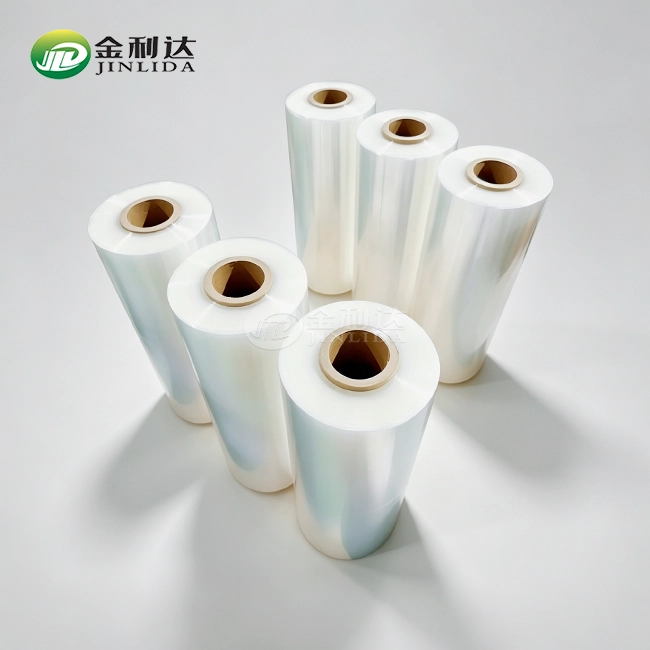
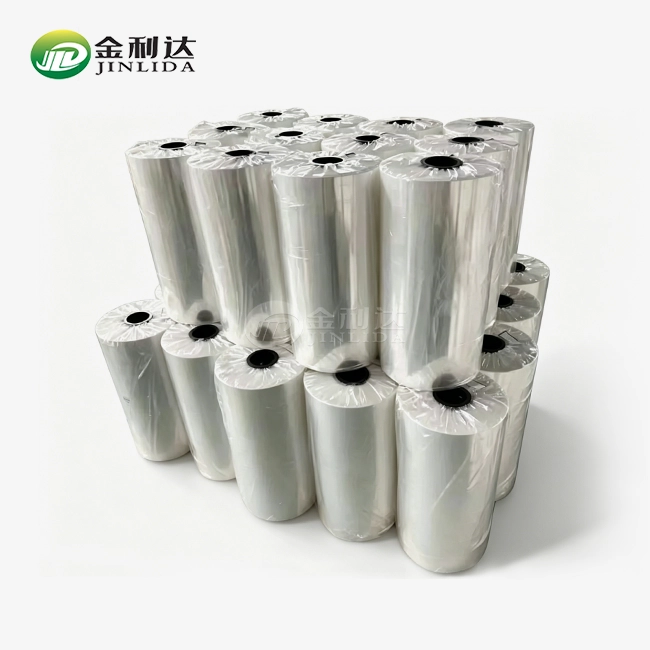
To find the best balance between function and cost, different applications need different thickness profiles. Ultrathin choices that are 8–10 εm (0.8–1.0 mil) thick are good for everyday home use where moderate protection is enough. Standard industrial grades of 11–12μm (1.1–1.2 mil) are most common in grocery stores and food service establishments because they work reliably on automated wrapping lines. Heavy-duty types that are 15–20μm (1.5–2.0 mil) thick offer better resistance to punctures and can be used to wrap meats with bones or protect things while they are being shipped. The sizes of rolls range from 20/25/30cm wide by 30/60/100m long for home use to 30/35/40/45/50/60cm wide by 200/300/500/1000m long for business use. 30cm×200m, 45cm×300m, and 60cm×300m are the most common configurations. They are mounted on standard 75mm (3-inch) inner diameter cores with outer diameters that range from 80mm to 110mm based on the total length of the film.
Key Benefits and Uses of PVC Cling Film in B2B Applications
This material is valued by procurement workers in many different industries because it has technical performance characteristics that directly address operational challenges and regulatory requirements.
Superior Cling Strength and Sealing Performance
Self-adhesive properties of PVC cling film make airtight seals without using heat or adhesives. This makes packaging processes simpler and uses less energy. The material keeps a constant contact pressure that stops air from getting in and moisture from escaping when it is wrapped around stainless steel GN containers in professional kitchens or put on fresh produce trays in store displays. This amazing cling strength comes in handy in high-humidity places like walk-in coolers, where changing temperatures and condensation can be hard on other materials. Because the film has memory and recovery qualities, once it has been stretched and put on, it will keep its tension and seal integrity through multiple cycles of storage and distribution.
Optical Clarity and Product Presentation
Customers can see packaged goods clearly because of the high transparency and anti-fog formulation, which has a direct effect on their decisions to buy at retail places of sale. The shiny finish on the surface makes the product look better and keeps it visible even when it's in the fridge, where condensation tends to hide contents. Food companies and stores say that better clarity makes customers less likely to handle boxed goods, which lowers the risk of contamination and product damage. This optical performance is especially important for high-end protein goods, specialty fruits and vegetables, and ready-to-eat foods, where customers judge the quality visually and decide if they want to buy them.
Breathability and Freshness Preservation
The controlled oxygen transmission rate and water vapor transmission rate built into this material solve certain problems that come up when packing fresh food. The film's ability to let air through helps high-respiration foods like leafy greens, exotic mushrooms, and berries stay fresh longer and avoid losing weight through dehydration. This balanced gas exchange keeps the right conditions in the atmosphere, which extends the shelf life of food without the need for expensive equipment that changes the atmosphere during packing. This trait is used by commercial produce suppliers and supermarket chains to cut down on waste and keep product quality high throughout the distribution network. This has a direct effect on their profits and customer happiness.
Compliance and Safety Certifications
Food makers and distributors still have to follow strict rules for food safety. Materials from good suppliers are certified to meet FDA 21 CFR and EU 10/2011 migration standards. This makes sure that they follow the rules for materials that come into touch with food. Our factory has both the international ISO9002 quality management certification and China's QS (Quality Safety) certification, and every batch of products can be tracked back to its source. These certifications show that a company is committed to using safe materials and consistent production methods. This lowers the risk of noncompliance for buyers in the food processing, pharmaceutical, and retail sectors. Having the right paperwork helps with auditing and makes it easier for regulators to check on the whole supply chain.
Comparing PVC Cling Film with Other Cling Films: Which One Fits Your Needs?
Choosing the right material means finding a balance between a number of performance factors, cost factors, and sustainability goals that are specific to each application setting.
PVC vs. Polyethylene Performance Characteristics
While polyethylene films have some benefits, materials made from polyvinyl chloride are better because they stick better, are clearer, and can be shaped more easily, which is important for automated packing lines. PE alternatives usually need to be pre-stretched or coated with adhesives to seal as well, which makes the packing process more complicated and costs more. Because PVC formulations have more plasticizers, they naturally have tack qualities that polyethylene can't match without surface treatments. However, PE films are better for packaging fatty or oily foods because they have lower migration risks. The choice of material depends on the features of the product and the length of contact.
Food-Grade Specifications and Safety Considerations
Telling the difference between formulations of PVC cling film that are allowed for food contact and industrial-grade materials protects both the health of consumers and the integrity of the product. Food-grade versions use plasticizers that have been tested to see how well they work with different kinds of food and have safe amounts of use that have been proven by toxicological testing. Standard industrial films may have additives that aren't safe for direct food contact, which could put you at risk of being sued if they aren't properly stated. When buying things, procurement teams should make sure that the certifications are right for the job. This is especially important when packaging fatty proteins, acidic foods, or things that will last a long time because the chance of migration increases over time.
Environmental Impact and Alternative Materials
More and more environmental laws are making people interested in biodegradable and compostable options, but the trade-offs in performance need to be carefully considered. New bio-based films don't last as long in the environment, but they might lose some important qualities like cling strength, barrier properties, or temperature stability that are needed for some uses. The recycling infrastructure for polyvinyl chloride materials is still not as good as it is for polyethylene, but more and more responsible manufacturers are starting take-back programs and closed-loop recycling efforts. We work hard to come up with recipes that meet both performance needs and environmental concerns. This way, we can give our clients choices that are in line with their companies' sustainability goals without affecting their ability to do their jobs.
How to Choose and Procure the Best PVC Cling Film for Your Business?
To make good sourcing choices, you need to carefully look at technical specs, the supplier's skills, and the total cost of ownership.
Critical Selection Criteria
Choosing the right thickness depends on the job. For example, heavier gauges make it harder to puncture bone-in products, while thinner choices save money on material costs for light-duty wrapping. To keep waste and changeover times to a minimum, roll sizes must match the specifications of current equipment and how it is used. Adding UV protection to light-sensitive items that are displayed under store lighting makes them last longer on the shelf, and the characteristics of breathability should match the rates at which packaged fruits and vegetables breathe. Food safety certifications and migration test results are very important for regulated businesses because they lower risk.
Supplier Evaluation and Partnership Considerations
A company called Rizhao Jinlida Plastic Co., Ltd. has been making flexible packaging for more than ten years and can make a wide range of plastic films and bags. Our building is 8,600 square meters and has computer-controlled high-speed bag-making systems, photoelectric correction laminating equipment, and advanced gravure printing tools. More than 40 technical specialists run these systems. This infrastructure can handle both normal production runs and specifications that are changed to fit the needs of a specific operation. We have clear pricing systems that take into account the number of orders, the size requirements, and the certification needs. This lets you plan your budget and keep track of costs accurately. Products are sold in more than 40 countries in Europe, the United States, Australia, and Asia. They have proven to be of high quality and work consistently in a wide range of legal and application settings.
Volume Discounts and Customization Options
Bulk purchasing deals save money and make sure there is a steady supply during times of high demand. Custom printing lets you set your brand apart at the package level, which helps with both marketing goals and useful performance needs. We offer a range of order sizes to accommodate both small-scale tests and full-scale production commitments. We also provide technical help during the specification development and implementation stages. When you have a long-term relationship, you get dedicated account management, priority scheduling for production, and the ability to work together to solve problems when operational issues come up or needs change.
Proper Storage and Handling of PVC Cling Film
Maximizing material performance and shelf life requires attention to environmental conditions and handling protocols throughout the supply chain.
Environmental Storage Conditions
Temperature fluctuations and humidity extremes accelerate plasticizer migration and degrade PVC cling film mechanical properties over time. Optimal storage maintains consistent temperatures between 15–25°C with relative humidity below 70%, preventing both excessive softening and brittleness development. Direct sunlight exposure should be avoided, as UV radiation initiates photodegradation processes that compromise film integrity. Warehouse facilities should provide adequate ventilation to prevent accumulation of volatilized plasticizers, particularly in areas housing large inventory volumes. Proper storage extends usable shelf life to approximately 24 months from manufacture date when maintained under recommended conditions.
Handling Best Practices
Roll handling procedures should prevent mechanical damage including crushing, tearing, or contamination that compromise performance. Storage on pallets or racks keeps rolls elevated from floor moisture and facilitates inventory rotation using first-in-first-out principles. Clean hands or gloves during handling prevent surface contamination that interferes with cling properties or introduces food safety risks. Transportation protocols should secure rolls against shifting or impact damage, with appropriate cushioning materials protecting edges and surfaces. These practices maintain product quality from our facility through distribution networks to end-use locations, ensuring consistent performance throughout supply chains.
Conclusion
Selecting appropriate cling film materials requires balancing technical performance, regulatory compliance, cost efficiency, and operational compatibility. Polyvinyl chloride-based solutions deliver exceptional cling strength, optical clarity, and breathability essential for fresh food packaging, automated wrapping operations, and retail presentation requirements. Understanding material composition, manufacturing processes, and application-specific performance characteristics enables procurement teams to specify solutions that enhance product protection while optimizing total cost of ownership. We stand ready to support your packaging requirements with certified, high-performance materials backed by technical expertise and responsive customer service.
FAQ
Is PVC Cling Film Safe for Food Contact Applications?
Food-grade formulations meeting FDA 21 CFR and EU 10/2011 standards undergo rigorous migration testing to ensure safety when contacting various food types. Plasticizers approved for food contact applications demonstrate acceptably low migration levels under normal use conditions. Certifications from reputable manufacturers provide documented evidence of compliance, essential for regulatory audits and liability protection.
Can PVC Packaging Film Be Recycled?
Recycling infrastructure for polyvinyl chloride materials remains less developed than systems handling polyethylene or polypropylene. Some specialized facilities accept post-consumer PVC films, though collection programs vary regionally. We actively explore sustainable alternatives and participate in industry initiatives advancing circular economy solutions for flexible packaging materials.
What Factors Influence Pricing for Commercial Orders?
Roll dimensions, thickness specifications, order volume, and customization requirements directly impact unit costs. Bulk purchasing agreements provide volume discounts, while special features including UV protection or custom printing add incremental costs. Supplier reputation, certification compliance, and technical support capabilities represent additional value factors beyond base material pricing.
Partner with a Trusted PVC Cling Film Manufacturer
We invite food processors, retail chains, packaging distributors, and commercial operations to experience the quality and performance advantages our materials deliver. Our three-layer co-extrusion casting process produces films with exceptional self-adhesion, optical clarity, and breathability that maintain product freshness throughout distribution and retail cycles. Available in household rolls from 20cm to 30cm width and commercial formats reaching 60cm width by 1000m length, our product line accommodates diverse operational requirements. Thickness options from 8μm to 20μm provide flexibility matching applications from light-duty household use through heavy-duty commercial meat wrapping. Contact us at 18663311788@139.com to discuss your specifications, request samples, or obtain detailed quotations. Our technical team stands ready to recommend optimal configurations for your specific applications, supported by ISO9002 and QS certifications ensuring consistent quality and regulatory compliance. Visit jinlida.aixdb.cn to explore our complete product portfolio and discover how partnering with an experienced PVC cling film supplier enhances your packaging operations.
References
1. Hernandez, R.J. & Giacin, J.R. (2018). Plastic Packaging Materials for Food: Barrier Function, Mass Transport, Quality Assurance, and Legislation. Vienna: International Atomic Energy Agency.
2. Robertson, G.L. (2016). Food Packaging: Principles and Practice (3rd ed.). Boca Raton: CRC Press.
3. Marsh, K. & Bugusu, B. (2007). Food Packaging—Roles, Materials, and Environmental Issues. Journal of Food Science, 72(3), R39-R55.
4. Hanlon, J.F., Kelsey, R.J. & Forcinio, H.E. (2020). Handbook of Package Engineering (4th ed.). Boca Raton: CRC Press.
5. Yam, K.L. (2009). The Wiley Encyclopedia of Packaging Technology (3rd ed.). Hoboken: John Wiley & Sons.
6. Selke, S.E.M., Culter, J.D. & Hernandez, R.J. (2015). Plastics Packaging: Properties, Processing, Applications, and Regulations (3rd ed.). Munich: Hanser Publishers.