How Does a Plastic Recycling Pelletizer Work?
May 21, 2026
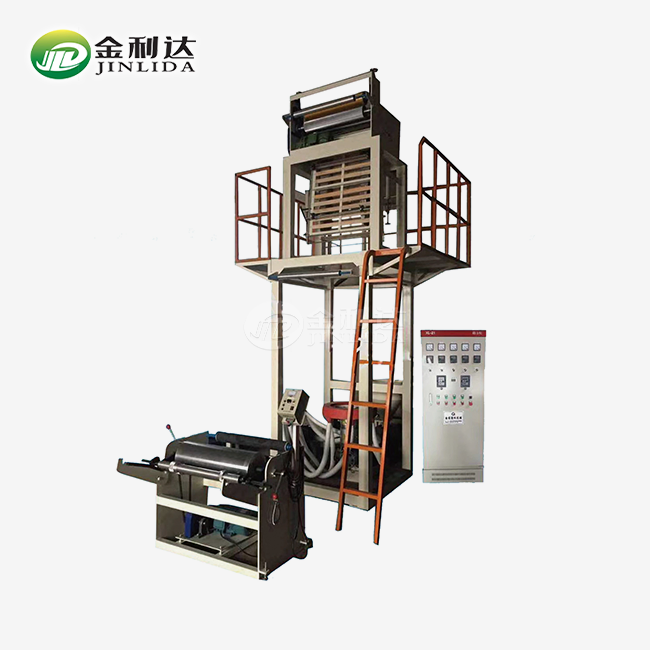
Industrial and consumer plastic trash is turned into uniform, reusable granules by a plastic pelletizing machine. This is done through a carefully controlled thermal and mechanical process. The system takes shredded plastics like PE film scraps, PP woven bags, or a mix of rigid plastics and puts them in a hopper. A spinning screw then moves them forward. When the material goes through a hot barrel, the temperature ranges from 170°C to 260°C, based on the type of resin. After being melted, the plastic goes through filter screens to get rid of any impurities. It is then pushed through precise die holes, cooled quickly with water or air systems, and cut into dense pellets that are ready for further production.
Understanding Plastic Recycling Pelletizers: Definition and Working Principle
What Makes a Plastic Pelletizing Machine Essential in Modern Recycling?
Plastic recycling pelletizers are an important part of the circular economy because they turn used packing materials into high-quality materials for manufacturing. These machines solve a major problem in the industry: they turn big, dirty waste streams into standard pieces that meet strict melt flow index requirements for injection molding and film extrusion.
Food and drink companies directly gain from the technology because they make a lot of off-spec packaging film during production runs. Instead of putting used vacuum bags or retort pouches in a landfill, facilities can process them on-site, which saves money on raw materials and helps companies meet their sustainable goals.
Core Components Driving the Pelletizing Process
The screw and barrel shape are the most important parts of any recycling granulation system. The length-to-diameter ratios of modern single-screw extruders are between 25:1 and 33:1. Higher ratios work better for mixing and degassing. As the name suggests, the SJ-150/30 model has a 150mm screw width and a 30:1 L/D ratio. It can handle 150–220 kg/h of contaminated LDPE film or mixed PP rigid waste.
Temperature control zones divide the barrel into six to ten parts that are heated separately. Cast aluminum or ceramic heating elements keep exact thermal profiles, which lets operators find the best way for different polymer chemicals to melt. PE materials can be processed at temperatures between 180°C and 200°C, but engineering plastics like ABS need higher temperatures, closer to 240°C.
With the forced feeding mechanism, low-density film materials that tend to bridge in normal gravity hoppers can be fed without any problems. Integrated exhaust vents placed along the length of the screw let moisture and volatile organic compounds escape. This keeps finished pellets from forming bubbles, which would weaken their mechanical qualities.
Strand Pelletizing Versus Underwater Cutting: Operational Trade-offs
Industrial plastic recycling methods are mainly based on two main ways of cutting. Strand pelletizing, which is also sometimes called "cold cutting," pushes liquid plastic through die plates with many holes to make long strands that look like spaghetti. Before they get to the rotating blade cutters that cut them into round pellets, these strands go through water troughs to cool down. Because this method is easy to use and doesn't require a lot of money to start, it's good for area packaging distributors that process clean post-industrial waste.
When working with materials that are sensitive to water or trying to make spherical pellets, underwater hot-cut devices are more useful. The die face stays buried in a chamber of pressurized water, and rotating knives cut the new polymer strands as soon as they come out of the die. The pellets that are made have a higher density and less fines content, which is important for automatic bulk handling systems in e-commerce fulfillment operations that handle a lot of orders.
Processing contaminated post-consumer waste in plastic pelletizing machine from grocery store collection programs usually needs hydraulic screen changers that can change the filter media all the time. This constant process keeps the melt pressure steady even when working with materials that have paper labels, adhesive residues, or small amounts of cross-contamination from different waste streams.
Types of Plastic Pelletizing Machines and Their Applications
Matching Equipment Specifications to Material Characteristics
The type of input material and the amount of contamination play a big role in choosing the right granulation equipment. Agricultural film recyclers that work with greenhouse covering sheets can use bigger screw diameters (180mm to 220mm models) that can handle bulky feedstock while keeping throughput steady. These systems use strong screw flight designs that compact and melt materials well, even when the feed regularity isn't always the same.
Different setups are needed for pharmaceutical and chemical packaging changers who work with clean barrier films. Smaller machines with a width of 125mm to 150mm and gentle compression ratios protect delicate multilayer structures and keep them from delaminating during reprocessing. The pellets that are made still have the barrier properties and optical clarity that are needed for food-contact uses.
The following types of machines are good at different kinds of recycling:
Post-Industrial Scrap Recovery Systems take care of package companies' production waste, such as edge trim from blown film lines, punch waste from pouch forming operations, and printed material that wasn't used. When processing sorted PE or PP streams, 150mm models can produce 200 kg/h or more with clean feedstock, which means better throughput rates and less filtration work.
Post-Consumer Mixed Waste Processors take on dirty home packaging that is collected by cities through programs. These strong systems have heavy-duty gearboxes that give 75–132 kW of motor power, aggressive feeding sections that can handle bales that are packed down, and multi-stage filtration to get rid of unwanted materials. A machine with a 200 mm diameter and hydraulic screen changers can handle 350 to 500 kg/h of HDPE and PP packages that are mixed, even if there is 3-5% contamination.
Compounding and Masterbatch Production Units are used in specialized situations where useful additives are added to recycled base resin. Temperature-controlled twin-zone drums with long mixing sections make sure that the pigments are spread out evenly or that flame retardants are mixed in. With these tools, packaging converters can make pellets in any color that meets brand standards for use in shopping bags or to package seeds for farming.
Material matching charts help people choose the right tools. PE and PP waste, like woven bags, greenhouse films, and packaging pouches, can be processed safely in standard setups that work at 180 to 210°C. Hydrogen chloride is released when PVC melts, so screws that don't rust and special vents are needed for these uses. To recycle PET, the temperature stability needs to be higher, as the barrels get close to 260°C, and the dwell time needs to be managed to keep the molecular weight from dropping.
Benefits and Operational Advantages of Plastic Recycling Pelletizers
Environmental and Economic Returns on Pelletizer Investment
Working with a plastic pelletizing machine makes a real difference in the environment and saves you a lot of money. When recycling centers remove 500 kg/h of packaging film from landfills, they save about 4,000 tons of trash every year just by running all the time. This directly helps consumer goods brands meet the requirements of extended producer responsibility.
When you think about how volatile the price of virgin resin is, the business case gets stronger. Making recycled pellets in-house from production waste usually costs 30–40% less than buying the same materials from a supplier. Depending on the availability of feedstock and energy rates, the payback time can be anywhere from 18 to 36 months. Regional packaging wholesalers who work with supermarket chains benefit from stable prices that protect them from changes in the commodity market that affect the cost of virgin PP and HDPE.
Modern methods for making pellets use less energy, which cuts down on costs beyond just saving money on raw materials. When compared to fixed-speed configurations, variable frequency drives on main motors cut power use by 15–25% by changing the screw speed based on real throughput. Ceramic heating elements are more thermally efficient than standard band heaters, so less electricity is needed to keep processing temperatures steady.
Automation features boost output while lowering the cost of workers. Auto-feed systems with level monitors make sure that the extruder throat always has the right amount of material. This stops output fluctuations that waste energy when the machine is not working. Intelligent temperature controllers with self-tuning algorithms react to changes in material density without any help from an operator. This is very important when processing variable-quality waste that is baled from retail collection programs.
Quality Consistency Advantages for Downstream Manufacturing
Pellet uniformity directly impacts performance in secondary manufacturing operations. Well-designed granulation systems produce pellets with tight size distribution—typically 3-4mm length with minimal fines below 2mm—that flow reliably through injection molding hoppers and film extrusion gravimetric feeders. This consistency matters significantly for e-commerce brands operating high-speed automated packaging lines where material bridging causes costly downtime.
Dense pellet structure achieved through proper cooling and cutting parameters improves bulk density from 0.35 g/cm³ for loose film scrap to 0.55-0.65 g/cm³ for finished granules. This compaction reduces storage volume requirements by 60% and cuts transportation costs when supplying recycled resin to contract packaging manufacturers across regional distribution networks.
Moisture removal capabilities prevent quality defects in final products. Integrated exhaust venting during melting reduces residual moisture content below 0.2%, eliminating bubble formation and surface blemishes that plague injection-molded containers or blown films produced from improperly dried recycled feedstock. Pharmaceutical packaging converters and food-grade bag manufacturers particularly value this processing control when validating recycled content for regulatory compliance.
Troubleshooting, Maintenance Tips, and Longevity of Plastic Pelletizing Machines
Common Operational Challenges and Practical Solutions
Consistent pellet quality depends on recognizing and addressing process deviations promptly. Uneven pellet sizing often indicates dull cutting blades or inconsistent strand cooling. Inspecting knife edges quarterly and maintaining water bath temperatures within ±3°C of setpoint resolves most cutting irregularities. When processing mixed waste streams containing PP woven bags alongside LDPE film, adjusting strand tension through die-to-cutter distance prevents breakage of softer materials while ensuring clean cuts on stiffer fractions.
Extruder surging—characterized by fluctuating amperage and inconsistent output—typically stems from bridged material in the feed throat or insufficient melting capacity. Installing agitators in the hopper and reducing throughput by 10-15% while verifying barrel temperature accuracy usually restores stable operation. Packaging distributors handling seasonal agricultural film waste should anticipate these adjustments when switching from clean greenhouse covering to more contaminated mulch films containing soil residues.
Screen pack pressure buildup signals contamination exceeding filtration capacity. Hydraulic screen changers should advance to fresh media when differential pressure reaches 25-30 bar, while manual systems require shutdown for element replacement. Implementing upstream washing and drying reduces filter cycling frequency, improving effective runtime for facilities processing post-consumer retail bags with adhesive labels.
Preventative Maintenance Protocols Extending Equipment Life
Scheduled inspections of plastic pelletizing machine preserve critical components and prevent catastrophic failures. Screw and barrel wear directly impacts mixing quality and throughput efficiency—measuring internal clearances annually identifies deterioration before output degradation becomes severe. Chrome-plated or bimetallic screw surfaces extend service life to 8,000-12,000 operating hours when processing mildly abrasive PE and PP materials.
Gearbox oil analysis detects bearing wear and contamination before noise or vibration symptoms appear. Sampling lubricant every six months and monitoring iron content trends allows planned bearing replacement during scheduled maintenance windows rather than emergency shutdowns. This proactive approach matters significantly for packaging manufacturers running pelletizers during extended production campaigns.
Temperature controller calibration verification ensures accurate thermal management. Comparing displayed values against calibrated thermocouples inserted into barrel zones identifies sensor drift that causes processing instability. Recalibration annually maintains setpoint accuracy within ±2°C, crucial for pharmaceutical packaging processors requiring validated thermal profiles for regulatory documentation.
Selecting Suppliers with Comprehensive Support Infrastructure
Equipment longevity correlates strongly with manufacturer support capabilities. Procurement managers evaluating pelletizer suppliers should prioritize vendors offering detailed operation manuals, spare parts availability within 48-72 hours, and remote diagnostic capabilities. Video-based troubleshooting support minimizes downtime for packaging distributors operating in secondary markets distant from service centers.
Warranty coverage deserves careful evaluation beyond standard duration. Comprehensive agreements covering wearable components like screws, barrels, and cutting assemblies for initial months of operation protect against premature failure from material incompatibility or processing parameter errors during startup. Chemical companies processing aggressive materials benefit from extended coverage on corrosion-resistant components subject to accelerated degradation.
How to Choose and Procure Plastic Recycling Pelletizers: A Practical Buying Guide
Balancing Technical Requirements Against Budget Constraints
Determining optimal pelletizer specifications begins with characterizing feedstock volumes and quality profiles. Packaging manufacturers generating 100-150 kg/h of clean edge trim from film extrusion lines achieve excellent results with 135-150mm screw diameter machines offering 30-55 kW motor power. These compact systems integrate seamlessly into existing production floors while providing capacity headroom for business growth.
Regional recycling centers aggregating mixed post-consumer waste from supermarket collection programs require larger infrastructure. A 180-200mm diameter system with 75-110 kW drive capacity handles variable feedstock density and contamination levels inherent in municipal waste streams. The incremental investment in hydraulic screen changing and automated feeding systems pays dividends through reduced labor costs and improved uptime when processing unpredictable material quality.
Energy efficiency calculations inform long-term operating cost projections. Comparing specific energy consumption—kWh per kilogram of output—across competing models reveals meaningful differences. Efficient designs with optimized screw geometry and superior insulation achieve 0.3-0.4 kWh/kg for PE and PP recycling, versus 0.5+ kWh/kg for older configurations. Annual energy savings of several thousand dollars justify modest capital premiums on equipment serving high-volume operations.
Navigating Procurement Logistics and Supplier Selection
Direct manufacturer purchasing offers advantages for buyers sourcing equipment from established industrial regions. Factory visits enable firsthand evaluation of build quality, process capabilities, and quality control procedures. Observing test runs with materials matching your waste stream provides confidence that advertised specifications align with practical performance.
Lead times vary significantly based on customization requirements and production schedules. Standard configurations often ship within 8-12 weeks, while specialized systems with custom screw designs or exotic metallurgy for chemical resistance may require 16-20 weeks. Packaging distributors planning capacity expansions should align ordering schedules with seasonal demand cycles, ensuring equipment commissioning completes before peak production periods.
After-sales service infrastructure for plastic pelletizing machine critically influences total ownership costs. Evaluating supplier technical support capabilities—including response times for troubleshooting inquiries, spare parts inventory locations, and field service availability—prevents extended downtime from component failures. Multinational packaging converters often prioritize suppliers with regional service centers in North America, ensuring timely support for facilities across distributed manufacturing networks.
Training programs accelerate operator proficiency and reduce startup losses. Comprehensive instruction covering material handling, process parameter optimization, routine maintenance procedures, and troubleshooting methodologies enables production teams to achieve stable operation within 2-3 weeks. Remote training via video conferencing supplements on-site commissioning support, particularly valuable for multi-shift operations requiring knowledge transfer across operator groups.
Conclusion
Plastic recycling pelletizers represent essential infrastructure for companies committed to reducing packaging waste while controlling raw material costs. Understanding the operational principles, equipment variations, and procurement considerations empowers procurement managers to select systems aligned with their specific material streams and production volumes. Whether processing clean post-industrial scrap from food packaging operations or contaminated post-consumer waste from retail collection programs, modern granulation technology delivers consistent pellet quality supporting diverse secondary manufacturing applications. Matching screw specifications, filtration capabilities, and cutting methods to feedstock characteristics ensures optimal performance, while evaluating supplier support infrastructure protects long-term operational reliability.
FAQ
What plastic materials can a recycling pelletizer process effectively?
Modern granulation systems handle PE, PP, PS, ABS, and PVC waste streams including packaging films, woven bags, rigid containers, and production trim. Material compatibility depends on screw design and temperature control capabilities. Clean post-industrial scrap processes with minimal contamination tolerance, while post-consumer mixed waste requires aggressive feeding mechanisms and hydraulic filtration to handle adhesive residues, labels, and minor cross-contamination.
How do pellet quality parameters affect downstream manufacturing?
Pellet uniformity, density, and moisture content directly impact injection molding cycle times, film optical properties, and mechanical strength in finished products. Tight size distribution (3-4mm ±0.5mm) prevents feeder bridging in automated systems, while proper degassing maintains moisture below 0.2% to eliminate bubble defects. Dense granules (0.55-0.65 g/cm³) reduce storage costs and improve material flow consistency through processing equipment.
What maintenance intervals keep pelletizers operating reliably?
Daily checks include feed system operation, cooling water flow, and pellet appearance. Weekly tasks involve screen pack inspection and cleaning collection systems. Monthly procedures cover temperature controller verification and gearbox oil level checks. Quarterly maintenance includes cutting blade sharpening and belt tension adjustment. Annual inspections measure screw-barrel clearances and verify heating element functionality.
Partner with Sym for Superior Plastic Pelletizing Solutions
Rizhao Jinlida Plastic Co., Ltd. (sym) brings extensive expertise serving food and beverage manufacturers, agricultural suppliers, and packaging distributors requiring reliable recycling granulation equipment. Our plastic pelletizing machine supplier network provides access to proven systems ranging from compact 125mm models for post-industrial scrap to robust 220mm configurations handling contaminated post-consumer waste streams. With ISO9002 certification and comprehensive technical support, we help procurement teams navigate equipment selection, ensuring specifications match your feedstock characteristics and production volumes. Our team understands the operational challenges facing packaging manufacturers pursuing sustainable waste reduction while maintaining stringent quality standards. Contact us at 18663311788@139.com to discuss your recycling requirements and receive tailored recommendations balancing capacity, automation level, and budget considerations for long-term success.
References
1. Chen, W. & Zhang, L. (2021). "Advanced Extrusion Technologies for Plastic Recycling: Engineering Fundamentals and Industrial Applications," Journal of Polymer Engineering, 41(8), 623-639.
2. Thompson, R.K. (2022). Plastic Recycling Equipment Design: Principles and Practice, Industrial Press, New York.
3. European Association of Plastics Recycling and Recovery (2023). "Technical Guidelines for Pelletizing Systems in Post-Consumer Waste Processing," EAPRR Technical Report 2023-04.
4. Martinez, J.A., Kumar, S. & Williams, P.T. (2020). "Energy Efficiency Optimization in Thermoplastic Recycling Operations," Resources, Conservation and Recycling, 165, 105-118.
5. American Society of Mechanical Engineers (2022). "Quality Control Standards for Recycled Plastic Pellets in Food-Contact Applications," ASME B108.3-2022.
6. Nakamura, H. & Schmidt, F. (2021). "Comparative Analysis of Strand and Underwater Pelletizing Systems for Mixed Polymer Waste Streams," Polymer Recycling Technology Review, 29(3), 412-434.