
Do Green Plastic Carrier Bags Fit the Packaging Requirements of Eco-Conscious Brands?
Oct 9, 2026
Yes — green plastic carrier bags can genuinely meet the packaging requirements of eco-conscious brands, provided they carry verified certifications and match the specific functional demands of your industry. Made from bio-based or biodegradable resins like PBAT or PLA, these bags break down under controlled conditions rather than persisting in landfills for centuries. For B2B buyers sourcing retail, agricultural, or food-grade packaging at scale, they offer a practical middle ground between performance and environmental responsibility. The real question is not whether they work, but how to source them correctly.

Understanding Green Plastic Carrier Bags: Composition, Benefits, and Environmental Impact
What Are They Actually Made Of?
Polylactic Acid (PLA), which comes from cornstarch, or Polybutylene Adipate Terephthalate (PBAT), a man-made biodegradable material, is what most green plastic carrier bags on the market today are made of. To get the right balance of rigidity and flexibility, many commercial products blend the two. In industrial composting, these materials break down into CO₂, water, and biomass. This is different from regular HDPE bags, which can stay in the earth for up to 500 years (Ellen MacArthur Foundation, 2016).
Environmental Benefits and Real Limitations
Studies show that making PLA produces about 55% less greenhouse gases than making standard polyethylene, so switching to certified biodegradable bags does lower carbon intensity compared to using new petroleum plastics. Still, these bags need to be broken down in an industrial waste system. Many of them end up in landfills, where they break down much more slowly, because they can't get to approved composting sites.
How They Compare to Paper and Reusable Alternatives?
When they are made, paper bags use more carbon than other bags. It takes dozens of uses for reusable bags to pay for themselves in terms of the environment. Biodegradable plastic bags are a good compromise because they produce fewer emissions than paper, last longer after one use than HDPE, and pose a much lower risk of microplastics than oxo-degradable bags. Cost-per-unit is still competitive for buying in large quantities.
Key Packaging Requirements of Eco-Conscious Brands and How Green Plastic Bags Perform
Durability, Load Capacity, and Functional Standards
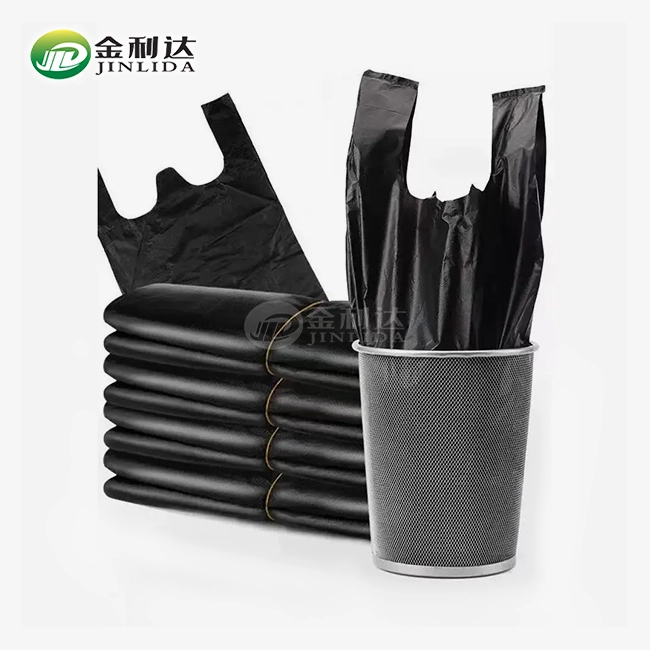
Brands that care about the environment still need packaging that works. The tensile strength of good green plastic carrier bags is between 15 and 30 MPa, and they can stretch up to 500% before breaking. This is the same as normal LDPE. Depending on the use, thickness is usually between 15 and 50 microns. SYM's dark green carrier bags use filler technology and can hold up to 5 kg. They come in sizes ranging from 10 cm × 28 cm to 65 cm × 110 cm, and a single bag can weigh anywhere from 0.7 g to 60 g. This makes them great for trash pickup, gardening, and store distribution.
Certification and Regulatory Alignment
People who want to buy something in the US market must have approval. The most important standards to check are:
- ASTM D6400 — the US standard for plastics that can be broken down in public places.
- EN 13432 — the European standard that most stores around the world accept.
- BPI Certification — the mark of the Biodegradable Products Institute, which is known all over North America.
- FDA food-grade compliance — needed for any bag that will come into direct contact with food that has been cooked or grown.
Bags with these marks on them give procurement managers real proof to show compliance teams and store buyers.
Customization and Brand Identity
Eco-friendly brands don't have to give up style to be more environmentally friendly. These days, green plastic carrier bags work perfectly with soy-based inks and high-resolution gravure printing, which means they can print brand artwork in more than one color. For people who buy things in stores or online and place repeat orders, experienced manufacturers can make custom sizes, handle types, and surface finishes without charging extra for smaller orders.
Evaluating the Lifecycle and Recycling Process of Green Plastic Carrier Bags
From Raw Material to End of Life
A verified green plastic carrier bags lifespan begins with green feedstocks like corn, cassava, or sugarcane that are turned into resin pellets and then pushed out as film. Under the testing conditions of ISO 20200, approved products break down in 180 days in industrial composting settings. This closed loop is very different from regular plastic, which breaks down but never mineralizes completely.
Recycling Realities and Infrastructure Gaps
This is very important for procurement teams to know: biodegradable bags should NOT be recycled with regular PE or PP. If those streams get dirty, the recycled material will not be as good. End-of-life advice should be built right into the boxes that buyers send to end users. It's easier to follow the rules for sorting trash if you work with sellers who give you clear material paperwork. This is especially true for stores that have to follow extended producer responsibility (EPR) rules in more than one US state.
Certifications That Actually Matter
Bags that break down into tiny pieces of plastic called microplastics are now banned or limited in some parts of the EU and the US. Real biodegradable bags have marks that can be checked by a third party. To make sure the soil is safe after it has broken down, buyers should ask for test reports that confirm disintegration timelines and heavy metal analysis results for green plastic carrier bags.
Comparison and Decision-Making Framework for B2B Buyers
Side-by-Side: Biodegradable vs. Conventional vs. Paper
What kind of bag you need relies on your business and how much you need. Here is a straight look at the differences between the most widely used choices:
- Certified biodegradable bags: Best for managing stores, food, and trash. Competitive price at scale, biodegradable at the end of its life, and printable with a name. Needs facilities for commercial composting.
- Standard HDPE bags: Lowest initial cost and longest-lasting impact on the earth. US state bans on plastic bags (in California, New York, and other places) make it harder to use.
- Paper bags: Paper bags come from a renewable source and can be recycled in the trash, but they have a higher carbon footprint per unit and are less resistant to water. Not as useful for heavy or wet items.
These trade-offs are not just hypothetical; your ESG reporting needs, your customers' standards, and the rules in your area about waste will all point to a clear answer. Switching to certified green plastic carrier bags helps their annual sustainability reports and their goals to cut down on carbon emissions.
Aligning Procurement with ESG Goals
For purchasing managers at medium- to large food manufacturers, agricultural distributors, or retail chains, shifting to certified carrier bags helps their annual sustainability reports and their goals to cut down on carbon emissions. Several big US stores now require sellers to show proof that they follow eco-friendly packaging rules as a condition of doing business with them.
Leading Green Plastic Carrier Bag Suppliers and Market Trends
What to Look for in a Qualified Supplier
To get a lot of high-quality eco-certified green plastic carrier bags, you need a source that can both make the bags and keep records. Important requirements include ISO certification, QS quality safety certification, using food-grade materials that meet standards, and a history of exporting to regulated markets. Rizhao Jinlida Plastic Co., Ltd. (SYM) has been making flexible plastic packaging for more than 20 years. They have ISO9002 international quality management system certification and China's QS certification, and they send their goods to more than 40 countries. The plant covers 8,600 m² and has more than 100 workers, including more than 40 expert staff.
Market Direction: Where the Industry Is Heading
It is expected that the world market for biodegradable packaging will grow at a CAGR of over 14% until 2030 (Grand View Research, 2023) and was worth about USD 14.5 billion in 2023. Laws against single-use plastic are getting stricter in the US, the EU, and APAC regions, which is driving demand. The best way for suppliers to help buyers deal with these changes is to invest in PBAT-rich formulations and closed-loop material recovery systems.
Conclusion
When purchased from qualified, experienced makers, green plastic carrier bags provide a reliable, ready-to-use answer for eco-conscious brands. They can hold weight, can be branded, and are in line with major US and foreign requirements for compostability. It's important to check certifications, make sure that end-of-life technology works with the new system, and work with a source that can provide stability on a large scale. For purchasing teams that need to balance environmental goals with operational needs, these bags are a useful and legal option for food, agricultural, and retail packaging.

FAQ
Are green plastic carrier bags truly biodegradable?
Yes, but only when certain things are true. In an industrial composting facility, green plastic carrier bags that are certified to meet ASTM D6400 or EN 13432 will break down completely in 180 days. Degradation happens much more slowly in normal waste circumstances. Always ask your supplier for proof of third-party testing.
Can these bags be recycled with regular plastic?
Not at all. Biodegradable bags need to be kept separate from regular PE and PP trash. When you mix them, the recovered material gets dirty. They are made to be recycled organically through certified composting programs, not mechanically for plastic recycling.
How long do they remain stable in storage?
Certified biodegradable bags will stay physically stable for 10 to 12 months in a normal warehouse setting (cool, dry, and out of direct UV light). The strength of the material may start to drop after that time.
What certifications should I verify before purchasing?
For the US market, make sure the certification is ASTM D6400 or BPI. Check that the goods you want to send to Europe meet EN 13432 standards. Check that the FDA or EU has approved the product for use with food. If you ask, reputable suppliers will give you these documents.
Are they suitable for heavy or wet goods?
Modern blends that are high in PBAT work well when it's wet and don't soften like older blends that are high in starch. The carrier bags made by SYM can hold up to 5 kg and are designed to be used in useful ways, like for farming and trash collection.
Partner with SYM for Certified Green Plastic Carrier Bag Supply
SYM (Rizhao Jinlida Plastic Co., Ltd.) can help you with your buying needs because they have been making flexible packaging for more than 20 years. As a reliable company that makes green plastic carrier bags that is ISO certified, meet food-grade standards, and can export to over 40 countries, we offer consistent quality at reasonable prices. Our customer service team is available 24 hours a day, 7 days a week, to talk about your needs. Email us at jinlidasuliao@zohomail.cn right now or go to jldplastic.com to get samples or a personalized price.
References
1. Ellen MacArthur Foundation. (2016). The New Plastics Economy: Rethinking the Future of Plastics.
2. Grand View Research. (2023). Biodegradable Packaging Market Size, Share & Trends Analysis Report.
3. ASTM International. (2012). ASTM D6400: Standard Specification for Labeling of Plastics Designed to be Aerobically Composted in Municipal or Industrial Facilities.
4. European Committee for Standardization. (2000). EN 13432: Requirements for Packaging Recoverable Through Composting and Biodegradation.
5. Biodegradable Products Institute (BPI). (2022). BPI Certification Program: Standards and Testing Requirements for Compostable Products.
6. United States Environmental Protection Agency (EPA). (2023). Advancing Sustainable Materials Management: Facts and Figures Report.

Send Inquiry

Related Industry Knowledge
- What Are The Uses Of Vest Plastic Bag?
- Do Green Plastic Carrier Bags Fit the Packaging Requirements of Eco-Conscious Brands?
- Are Red Plastic Shopping Bags Suitable for Seasonal Promotions and High-Volume Retail Sales?
- What Materials are Vest Plastic Bags Made Of?
- PVC Cling Film: Essential Uses and Benefits Explained
- Complete Guide to the Proper Use of Plastic PE Gloves
- How Does a Plastic Recycling Pelletizer Work?