
What Are The Uses Of Vest Plastic Bag?
Oct 9, 2026
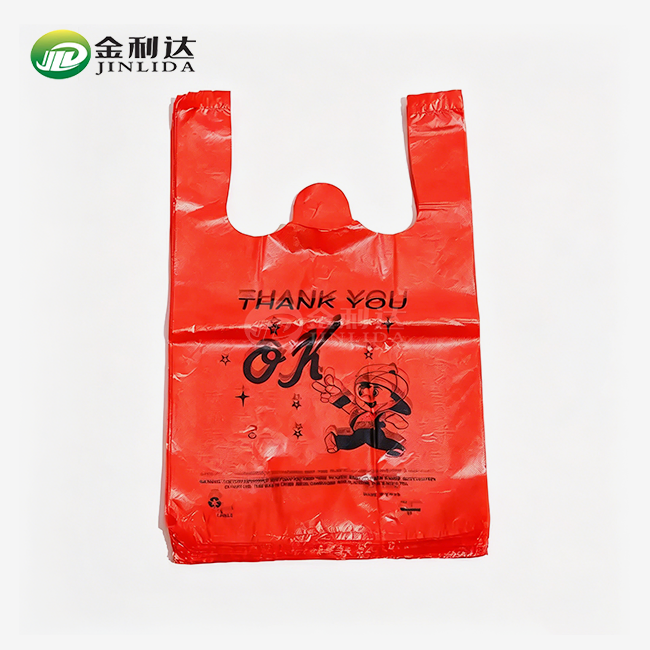
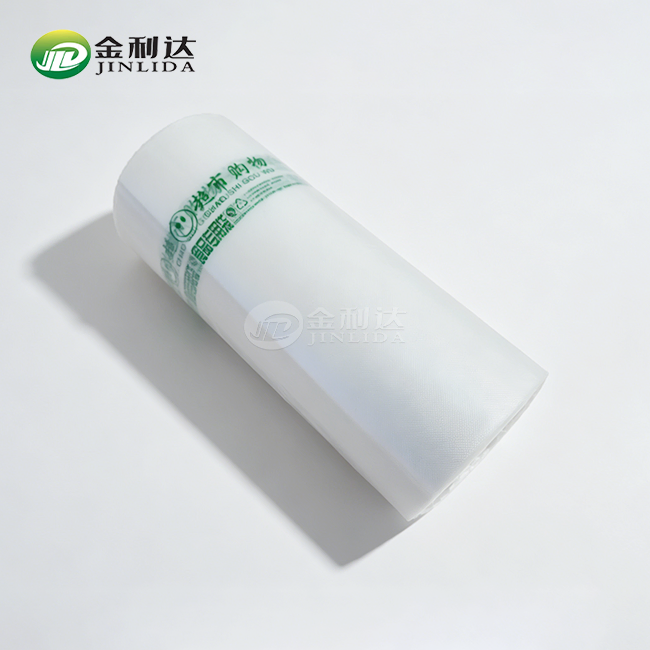
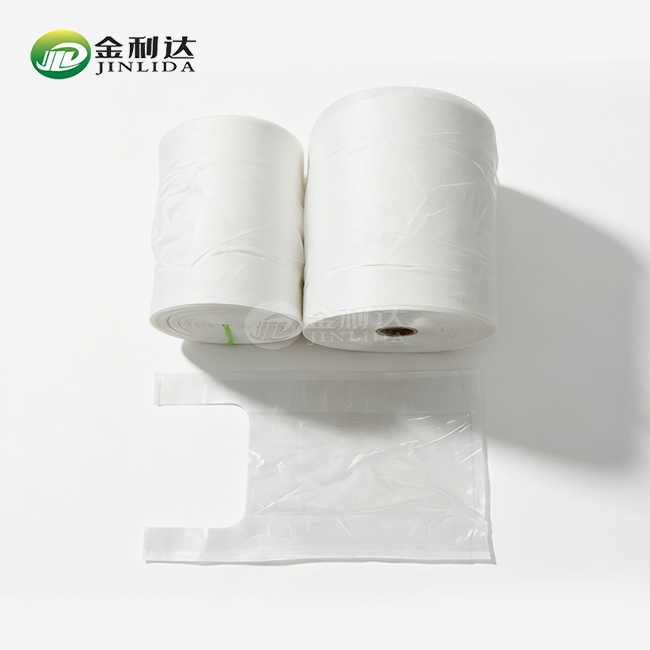
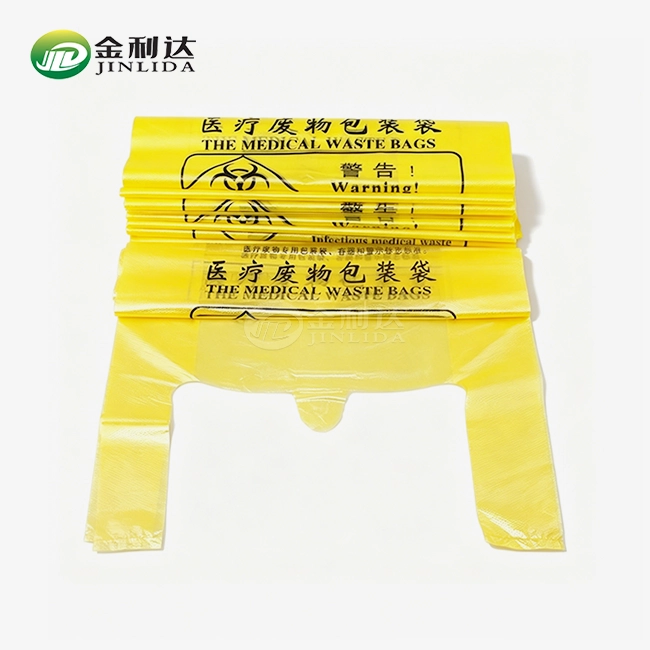
In many businesses around the world, Vest Plastic Bags have become a must-have for packing. You can recognize these bags by the unique handle holes that look like a vest or T-shirt. They are very useful for many things besides just food shopping. The Vest Plastic Bag is the most convenient, long-lasting, and cost-effective bag on the market. It can be used anywhere from retail checkout stands to industrial warehouses, from food service operations to drug delivery. By learning about the different ways these carriers can be used, companies can improve their packing strategies, cut costs, and make sure they meet both functional and environmental standards.

Understanding Vest Plastic Bags: Features and Types
Vest Plastic Bags are unique in the world of packing because they are well-made and comfortable to wear. Because the signature handle holes spread the weight out evenly across the bag, it doesn't get stressed out in one place like other bags do, which can cause it to tear. The smart engineering in them makes them good for carrying everything from light store items to heavy industrial parts.
Material Composition and Structural Design
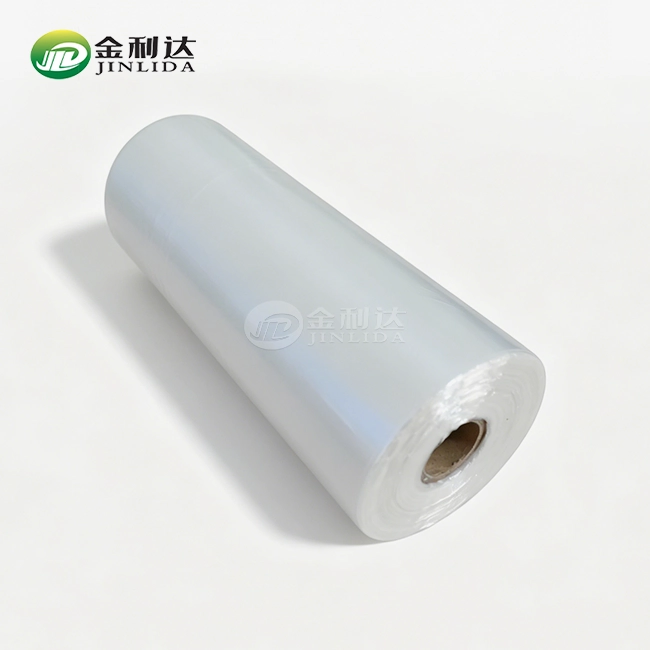
High-Density Polyethylene (HDPE), which gives these bags great stiffness and toughness, is mostly used to make them. The choice of material has a direct effect on how well it works. HDPE has better strength-to-weight ratios than other options. Film blowing, precise printing, and heat binding are used to make the product, which is a good mix of toughness and flexibility. Modern production standards usually call for a single-side width of at least 0.025 mm, but for many uses, a thicker sheet is needed to handle more weight. The crinkling sound these bags make when you handle them is caused by the HDPE molecular structure, signaling quality and durability for users.
Standard Versus Heavy-Duty Variants
There are a lot of different sizes of Vest Plastic Bags on the market. Shopping bags at stores usually come in sizes ranging from 10x28 cm for small items to 35x50 cm for everyday shopping. Heavy-duty versions can be up to 65x110 cm and can safely carry things weighing between 0.7 kg and 60 kg, based on the thickness and mix of materials. A 12-micron HDPE bag can safely hold 5 to 7 kg, and a 20-micron strengthened form can hold over 12 kg without any damage to the structure. Linear Low-Density Polyethylene (LLDPE) blends are now used by many makers to make bags more resistant to punctures and stop the zipper effect when sharp items hit the bag.
Biodegradable and Eco-Friendly Options
Concern for the environment has led to big changes in how Vest Plastic Bags are made. Fully biodegradable versions made from PLA (polylactic acid) and PBAT (polybutylene adipate terephthalate) blends now work just as well as regular ones made from petroleum. When stored properly, away from heat and UV light, these green choices usually last between 10 and 12 months. Businesses can now meet sustainability requirements without losing usefulness, which helps them deal with rising customer and government pressure for responsible packaging choices.
Core Uses of Vest Plastic Bags in B2B Sectors
Because Vest Plastic Bags can be used in many situations, they are important in many business areas. Their useful design solves real operating problems and gives you chances to brand them in ways that make your customers more loyal and help you remember them.

Retail and Grocery Applications
These bags are very important for checkout processes at grocery stores and convenience shops. During busy times, the ability to quickly dispense speeds up transactions, which directly improves customer happiness and flow. The moisture-resistant bags protect your purchases while they're being shipped, especially important for things that need to be kept cold or when it's raining. Large store chains buy in bulk because it saves them money and makes managing their goods easier because all the items are the same size. With unique printing, each bag becomes a moving display for your business, letting people see your brand even when they're not in the store.
Food Service and Hospitality Industry
Vest Plastic Bags are used for delivery and grab orders by restaurants, cafeterias, and food businesses. Because the bags are chemically resistant to fats and oils, they can be used with food as long as they meet the standards for virgin resin content set by FDA 21 CFR 177.1520 or EU Regulation No 10/2011. The gusseted side panels can spread to fit big packages and odd-shaped items, which makes packing faster and easier. Quick-service restaurants like the bags because they can keep their shape even when bringing hot items or beverages in sealed containers. This lowers the risk of spills and customer complaints.
Industrial and Manufacturing Sectors
In addition to being used with customers, Vest Plastic Bags are very important in work settings. They are used by manufacturers to keep small parts, metal components, and materials for work in progress organized along assembly lines. Because the bags are see-through (they come in clear versions), you can quickly check the inventory without opening any items. This makes quality control easier. Chemical resistance makes it possible to store some industrial goods safely for a short time, but compatibility testing is still needed for some chemicals. The bags' light weight lowers shipping costs when they are used as extra packing for large orders, which saves money on operations.
E-Commerce and Distribution Operations
The huge rise in online shopping has made people want more flexible packing options. Vest Plastic Bags work well as safe inner packaging inside shipping boxes, protecting items from damage during travel. Their ability to keep wetness out protects things from damage caused by humidity in warehouses and during the last mile of delivery. Distribution centers like that allow the bags to be stacked on top of each other, which takes up less space in storage than hard packing options. Custom printing helps keep your brand consistent from the warehouse to your door. It also improves the opening experience, which is important for keeping customers in online markets that are very competitive.
Benefits of Using Vest Plastic Bags: Why Choose Vest Over Alternatives
Cost control, quality standards, and pledges to the environment are all things that procurement managers are always under pressure to balance. There are strong benefits to Vest Plastic Bags in a number of important areas that business leaders care about.
Durability and the ability to hold weight
The tech behind Vest Plastic Bag handles makes them better at distributing weight than patch-handle or strap options. Tensile strength tests according to ASTM D882 standards show that good HDPE bags reach 20 to 30 MPa in the machine direction. This means that they won't tear vertically even when stressed in a dynamic way. The elongation at break is usually between 300 and 500%. This lets the material stretch and absorb shock loads instead of breaking in a very bad way. This mechanical strength means that bags don't break as often at the point of use, which makes customers happier and cuts down on the costs of fixing broken products and buying new bags.
Buying in bulk can save money and time.
Buying a lot of Vest Plastic Bags saves a lot of money per unit, which has a direct effect on the bottom line. Standardized production processes allow for uniform pricing across big orders, which makes it easier for procurement teams to plan their budgets. Less complicated packaging leads to operational efficiencies, as a single type of bag can often replace a number of different specialty packing formats. When checkout workers or packers use familiar, easy-to-handle bags that don't need much time to handle, they save money on labor costs. When compared to mixed packaging methods, these total savings often go over 15 to 20 percent, which is a big deal for high-volume businesses.
Compliance and Responsibility in the Environment
There are several ways that modern Vest Plastic Bags help companies with their environmental efforts. If there is a way to collect recycled HDPE bags, they can be recycled in full. Many cities and towns now accept them as part of their plastic film recycling programs. Reusability of the material stretches the life of the product, since people often use bags for other things around the house, like trash bags and storage. Biodegradable types break down in approved composting sites, which meet strict government rules in places that limit single-use plastic. Maintaining ISO certification and providing material traceability paperwork from suppliers helps procurement teams show compliance during sustainability audits. This protects the company's image and keeps it from getting fined by regulators.
How to Choose the Right Vest Plastic Bags for Your Business
To make a smart choice about Vest Plastic Bags, you need to carefully consider a lot of technical and business factors. The best option matches the product's specs with practical needs and also helps the company reach its larger goals for branding and supply chain resilience.
Finding the right bag specifications for the job
First, look at the average weights and quantities of the products you sell. Light store purchases under 3 kg work well with 10–12 micron bags, but food loads of 5–8 kg need bags that are 15–18 microns thick. 20-25 micron strengthened versions or LLDPE blends that don't puncture work well in industrial settings with big or sharp things. The bag's measurements should allow for 20–30% more space than usual loads to avoid overfilling and handle stress. If you need to store bulky things, you might want to think about the gusset depth. Expandable sides make the bag much more volumetrically efficient without making it bigger when it's folded.
Looking at different options for custom printing and branding
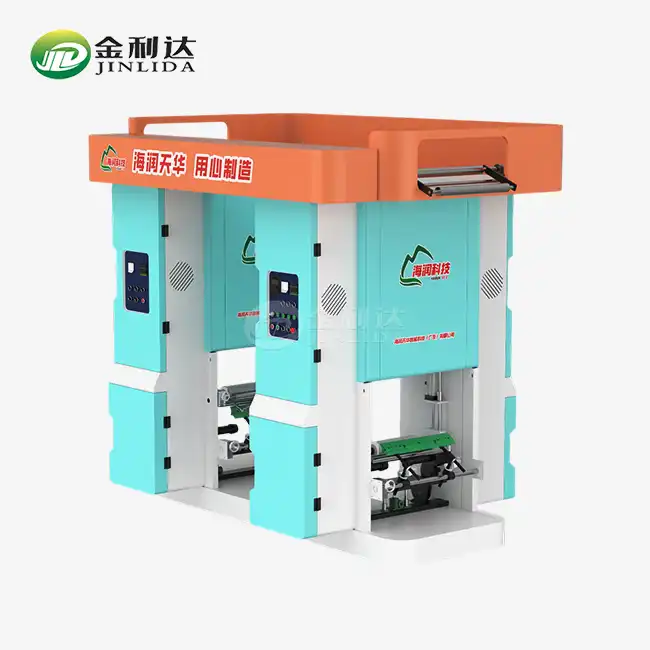
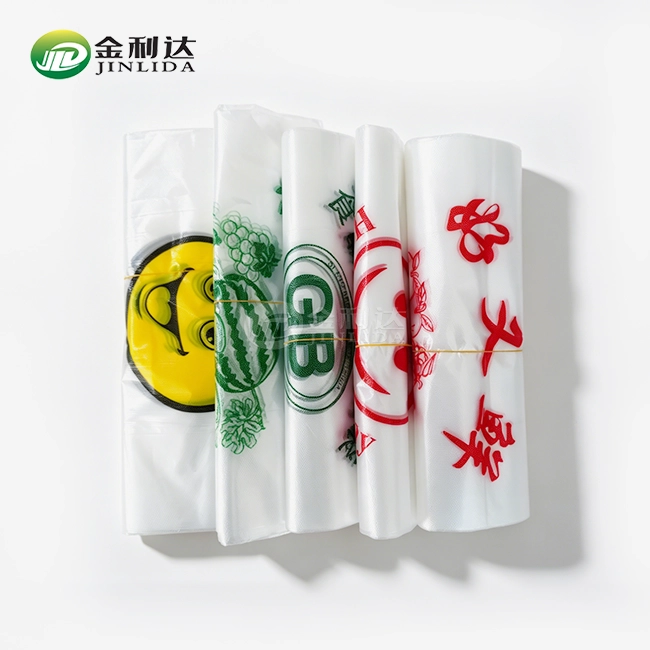
The average cost of plain bags is the lowest, so they are good for internal processes or uses that need to save money. With unique printing, Vest Plastic Bags become marketing tools that help customers remember your brand every time they come into contact with them. Graphics that are striking and last a long time are produced by high-speed gravure printing. If you're looking at printing choices, you should know that wait times for custom designs are between 4 and 6 weeks and that the minimum order quantity is usually between 50,000 and 100,000 units. Investing in branded bags usually pays off because customers remember them better and think the quality is higher. This is especially true in competitive retail settings where every touchpoint counts.
How to Choose a Supplier and What Certifications You Need
Reliable providers show they can make things by using high-tech tools like computer-controlled gravure printing machines and precise slitting systems. Check to see if possible partners are still certified in ISO 9002 quality control and food safety, such as with QS certification for food-contact applications. Production capacity is important to make sure that there is a steady supply during times of high yearly demand or business growth. Export experience, especially for providers that work with more than 40 countries, shows that they know how to handle logistics and are familiar with the paperwork needed for foreign shipping. When pressing orders or technical questions come up, responsive customer service (ideally available 24 hours a day) keeps production from being held up, which costs a lot of money.
Vest Plastic Bag Manufacturing Process & Quality Assurance
Understanding how things are made and how quality is controlled helps buying teams make smart choices and tell providers what they can expect. Being open about how Vest Plastic Bags are made shows that the provider is skilled and wants to meet consistent quality standards.
Raw Material Selection and Film Extrusion
Picking fresh HDPE resin is the first step to quality. Its density should be between 0.941 and 0.965 g/cm³. In the blown film extrusion process, resin pellets are melted, and the liquid polymer is pushed through a circular die to make a tube of film that won't end. Accurate control of temperature and cooling rates decides the end qualities of the film, such as its strength, clarity, and surface features. The Corona discharge process raises the surface tension above 38 dynes/cm, which makes sure that the ink sticks properly during the next printing steps. Modern companies mix HDPE and LLDPE in precise amounts to get the best balance of toughness and resistance to punctures for different uses.
Printing, Sealing, and Finishing Operations
With multi-color gravure printing, brand images, legal text, and artistic elements can be put on very precisely and with great color accuracy. Computer-controlled systems make sure that the registration is correct for each print copy, so the look stays the same throughout production runs. The bottom seal and handle cuts of the bag are made by heat sealing, and the welding parameters are carefully set to make the joins stronger than the film around them. Automated tools that make Vest Plastic Bags can cut, fold, and perforate bags at speeds of more than 200 bags per minute while keeping the sizes within acceptable ranges. Before packing something to ship, it goes through its last quality checks, which include looking for printing flaws, making sure the seal is intact, and checking the size to make sure it fits.
Quality Control Testing and Certification
Comprehensive quality assurance methods keep customers from getting bad goods. As per ASTM D1709, weighted darts are dropped onto film samples to test their puncture strength. This lets you know how well the material can handle sharp items. Following ASTM F88 for seal strength analysis, shear force is applied to sealed edges to find weak spots at bottom seals and handle changes. Ultrasonic gauges or micrometers are used to check the thickness consistency of a film web. This makes sure that the material is evenly distributed across the web, avoiding thin spots that hurt performance. The 3M tape test makes sure that the print sticks to the tape, which means that the graphics can handle being handled and facing pressure and moisture. These uniform tests give us concrete information that lets us compare suppliers and set quality standards.
Conclusion
Vest Plastic Bags are incredibly adaptable and can be used in a wide range of situations, including retail, food service, manufacturing, and delivery. Because they are strong, don't cost too much, and have comfortable handles, they are the best choice for businesses that need reliable packing options. There are biodegradable choices that are good for the earth without lowering performance, which helps companies reach their sustainability goals. The best value is guaranteed by strategic selection based on load needs, application setting, and provider capabilities. When buying teams know about quality standards and how products are made, they can make decisions with confidence that improve business efficiency and customer happiness.
FAQ
What Load Capacity Should I Expect from Different Bag Thicknesses?
For normal store use, a high-quality 12-micron HDPE bag can easily hold 5–7 kg. 20-micron bags can hold up to 12 kg, but this depends on the quality of the polymer. Adding LLDPE makes the bags more resistant to punctures, so they don't tear when they hit sharp edges. Always make sure that the thickness is right for the weight and handling of your goods.
Are Vest Bags Suitable for Food Contact Applications?
Yes, as long as they are made from new plastic that meets the standards set by FDA 21 CFR 177.1520 or EU Regulation No 10/2011. Before using bags that will come into direct contact with food, check the supplier's certifications and ask for material safety documents. Quality makers keep tight controls on the production process to make sure that all production runs meet food-grade standards.
How Long Can I Store Biodegradable Vest Bags?
Compostable versions made from PLA/PBAT mixes usually stay strong for 10 to 12 months if they are kept cool, dry, and away from UV light. Climate-controlled storage keeps things fresh longer because heat and wetness speed up the breakdown process. Plan your product change so that things don't go bad before they're used.
Partner with SYM for Premium Vest Plastic Bag Solutions
SYM makes high-performance Vest Plastic Bags to your exact specs using advanced production techniques and 20 years of experience in the field. Our 8,600-square-meter building has computer-controlled gravure printing systems and precise bag-making tools that make sure the quality of all orders, from 50,000 to several million units. We keep up with our ISO 9002 and QS food safety credentials, which helps us support legal purchasing for retail, medicinal, and food uses. Our goods are shipped to more than 40 countries, and we offer customer service 24 hours a day, 7 days a week. This gives procurement managers the supply stability and expert help they need. Get in touch with our team at 18663311788@139.com to talk about your needs, ask for samples, or get personalized prices. SYM is ready to be your trusted Vest Plastic Bag maker, whether you need biodegradable choices, custom printing, or different sizes.
References
1. American Society for Testing and Materials. (2018). ASTM D882: Standard Test Method for Tensile Properties of Thin Plastic Sheeting. West Conshohocken, PA: ASTM International.
2. Harper, C. A., & Petrie, E. M. (2003). Plastics Materials and Processes: A Concise Encyclopedia. Hoboken, NJ: John Wiley & Sons.
3. Selke, S. E., Culter, J. D., & Hernandez, R. J. (2004). Plastics Packaging: Properties, Processing, Applications, and Regulations. Munich: Hanser Publishers.
4. U.S. Food and Drug Administration. (2020). CFR - Code of Federal Regulations Title 21: Food Contact Substances. Washington, DC: U.S. Government Publishing Office.
5. European Commission. (2011). Regulation No 10/2011 on Plastic Materials and Articles Intended to Come into Contact with Food. Brussels: Official Journal of the European Union.
6. Packaging Association International. (2021). Technical Guidelines for Flexible Packaging Quality Assurance and Performance Testing. Chicago, IL: PAI Publications.

Send Inquiry
Related Industry Knowledge
- What Are The Uses Of Vest Plastic Bag?
- Do Green Plastic Carrier Bags Fit the Packaging Requirements of Eco-Conscious Brands?
- Are Red Plastic Shopping Bags Suitable for Seasonal Promotions and High-Volume Retail Sales?
- What Materials are Vest Plastic Bags Made Of?
- PVC Cling Film: Essential Uses and Benefits Explained
- Complete Guide to the Proper Use of Plastic PE Gloves
- How Does a Plastic Recycling Pelletizer Work?